Understanding Husky Sleep Patterns
Siberian Huskies are known for their incredible stamina and high energy levels, traits that historically helped them pull sleds across vast Arctic distances. This heritage directly influences their sleep patterns. Unlike some breeds that settle into deep, uninterrupted sleep, huskies often have lighter, more polyphasic sleep cycles. They may wake frequently throughout the night to check their surroundings or simply because they are not physically tired enough. Understanding that your husky's sleep needs are different from a typical lap dog is the first step toward solving sleep problems.
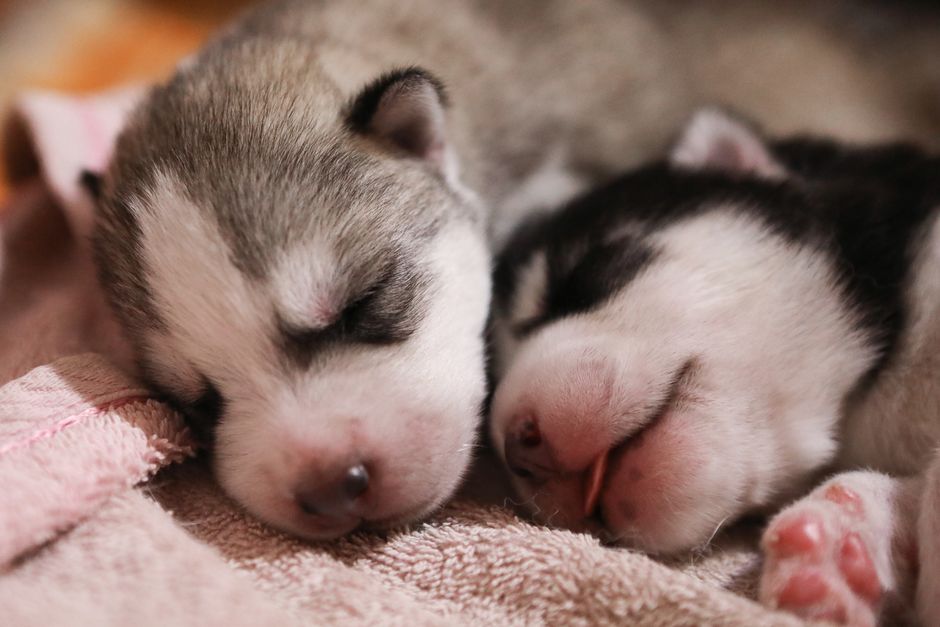
Adult huskies typically sleep between 12 and 14 hours per day, but this is often broken into short naps rather than one long stretch. Puppies require up to 18-20 hours, while seniors may sleep more but with less quality. Many owners mistakenly think their husky should sleep through the night like humans, but that expectation can lead to frustration. Instead, focus on creating an environment and routine that encourages restful sleep when it matters most.
Common Husky Sleep Problems
Husky owners report a range of sleep-related issues, including:
- Insomnia: Difficulty falling asleep or staying asleep, often pacing or whining.
- Restless Sleep: Constant tossing, turning, and changing positions.
- Nighttime Barking or Howling: Vocalizing at odd hours, disturbing the household.
- Early Morning Waking: Rising at 4 or 5 AM demanding attention.
- Excessive Daytime Sleepiness: While not always a problem, it can indicate poor nighttime sleep quality.
- Sleepwalking or Twitching: Mild twitching is normal, but excessive movement may signal discomfort.
These problems can stem from several causes, ranging from lifestyle factors to medical conditions. Identifying the specific pattern your husky exhibits will help tailor solutions.
Why Do Huskies Have Trouble Sleeping?
Several factors contribute to sleep difficulties in huskies. Here are the most common:
- High Energy Levels: Huskies were bred to run all day. Without sufficient physical and mental exercise, they have pent-up energy that prevents relaxation. A tired husky is a sleepy husky.
- Boredom: Intelligence and independence mean they need mental stimulation. Puzzle toys, training sessions, and interactive games can tire them mentally.
- Anxiety: Separation anxiety, noise phobias (thunder, fireworks), or changes in the home can cause restless nights. Huskies are pack animals and may feel uneasy alone.
- Diet: Feeding a large meal right before bed can cause digestive discomfort. Also, some foods or treats high in sugar or protein might boost energy.
- Environment: An uncomfortable bed, room that is too warm (huskies prefer cool temperatures), or too much light/noise can disrupt sleep. They have thick coats and overheat easily.
- Medical Issues: Pain from hip dysplasia, arthritis, allergies, or dental problems can make it hard to settle. Also, hormonal imbalances like thyroid issues can affect sleep.
- Age: Puppies have small bladders and need nighttime potty breaks. Senior dogs may experience cognitive decline or discomfort that disturbs sleep.
How Much Sleep Does a Husky Need?
Sleep requirements vary by age. Use this table as a general guide:
| Age | Recommended Sleep per Day |
|---|---|
| Puppy (8-12 weeks) | 18-20 hours |
| Adolescent (3-6 months) | 16-18 hours |
| Adult (1-7 years) | 12-14 hours |
| Senior (8+ years) | 14-16 hours |
Note that these totals include naps. A husky that only sleeps 10 hours but is active and happy may be fine, but if your dog seems overtired or hyperactive, aim for the higher end of their age range.
Tips to Improve Your Husky's Sleep
With a few adjustments, you can help your husky enjoy more restful nights. Try these practical tips:
1. Increase Daily Exercise
Huskies need at least one hour of vigorous exercise twice a day. This includes running, hiking, or playing fetch. Incorporate mental challenges like obedience training or nose work. A well-exercised husky will be more likely to sleep soundly.
2. Establish a Consistent Routine
Dogs thrive on predictability. Set a fixed bedtime and wake-up time (even on weekends) to regulate their internal clock. Before bed, engage in calming activities like a short walk, gentle brushing, or a quiet cuddle session.
3. Create a Comfortable Sleep Environment
- Provide an orthopedic or cooling bed (huskies overheat easily).
- Keep the room cool (65-70°F / 18-21°C) and dark.
- Use blackout curtains and a white noise machine to block external stimuli.
- Consider a crate with a blanket over it to create a den-like, secure space.
4. Use Calming Aids
- Lavender essential oil (diffused, not applied) can promote relaxation.
- Pheromone diffusers (e.g., Adaptil) mimic calming mother pheromones.
- Weighted blankets or anxiety wraps provide gentle pressure.
- Classical music or specially designed dog sleep playlists can mask noises.
5. Adjust Feeding and Play Times
Avoid feeding a heavy meal within two hours of bedtime. Instead, offer a light, carbohydrate-rich snack an hour before bed (e.g., a small piece of sweet potato). Also, stop high-energy play at least an hour before sleep to allow a wind-down period.
6. Address Anxiety
If your husky suffers from separation anxiety, gradually desensitize them to your departure. Leave comforting items like a worn t-shirt. For noise phobias, create a safe space (like a crate in a quiet room) and use noise-canceling tactics.
7. Rule Out Medical Issues
If sleep problems persist despite lifestyle changes, consult your veterinarian. They can check for pain, thyroid imbalances, or other health conditions that might interfere with rest.
When to See a Vet
While most sleep problems are behavioral, some require professional attention. Seek veterinary care if your husky shows:
- Sudden onset of severe insomnia
- Excessive panting, pacing, or signs of pain
- Weight loss or loss of appetite
- Lethargy during the day (sleeping more than usual)
- Changes in breathing patterns or snoring that disrupts sleep
- Accidents in the house (if previously housetrained)
A health check can uncover underlying issues like arthritis, Cushing's disease, or cognitive dysfunction in older dogs.
Conclusion
Husky sleep problems are common but manageable. By understanding your dog's unique needs—plenty of exercise, a consistent routine, a comfortable environment, and possible health checks—you can help your husky (and yourself) get better sleep. patience and consistency are key. Every husky is an individual; experiment with different strategies to find what works best for your furry friend. With the right approach, those quiet, peaceful nights are within reach.
Recommended Products for Your Husky
As an Amazon Associate, we earn from qualifying purchases. Learn more.
- Husky Care Essentials — Check price on Amazon
- Best-Selling Dog Gear — Check price on Amazon
- Newest Husky Products — Check price on Amazon
Frequently Asked Questions
What health problems do Huskies have?
Main concerns are hip dysplasia, eye conditions (cataracts, PRA), and hypothyroidism. Reputable breeders screen with OFA and CERF.
How often should my Husky see a vet?
Annual wellness exams for adults, twice-yearly for seniors. Puppies need a visit every 3–4 weeks for shots and checks.
How do I help prevent hip dysplasia?
Keep puppies lean during growth, avoid over-exercise on hard surfaces, and choose parents with good OFA scores.
Editor's Note
Our team has sat through enough husky eye exams to know the hereditary risks are real. We tell every owner to get a baseline ophthalmologist check early—catching corneal dystrophy at two is far cheaper than at six.
Sources & Further Reading
HuskySpot researches each topic against recognized breed and veterinary authorities. The following organizations inform our content: