Siberian Huskies are known for their striking appearance, endurance, and friendly demeanor. However, like many breeds, they are prone to certain health issues, including digestive problems. Understanding husky digestion issues is crucial for maintaining your dog's overall well-being. This comprehensive guide will walk you through common digestive problems, their causes, symptoms, treatments, and preventive measures.
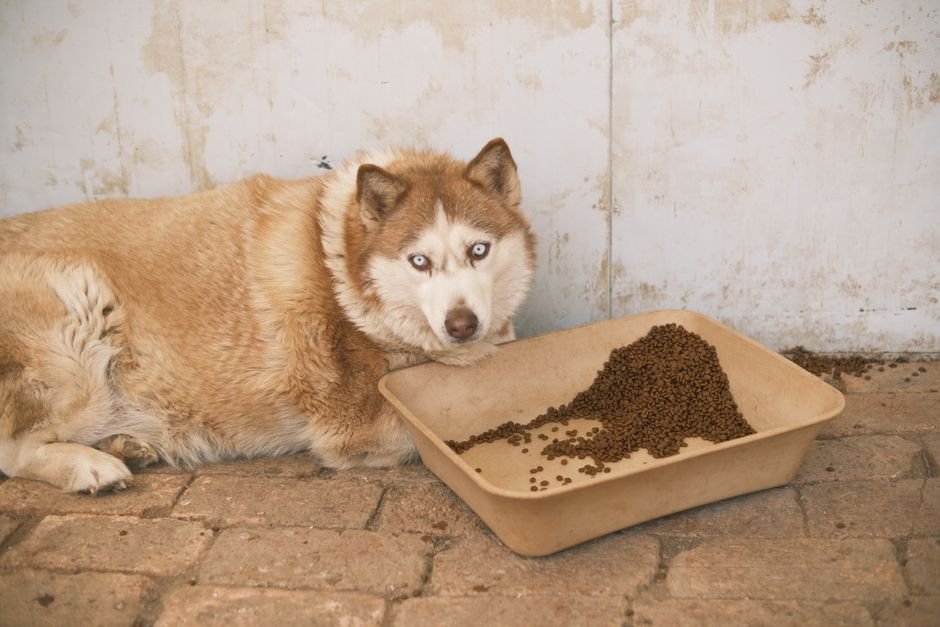
Common Digestive Issues in Huskies
Huskies can experience a range of digestive issues, from mild to severe. The most frequently reported problems include:
- Dietary Indiscretion: Huskies are notorious for eating things they shouldn't—table scraps, garbage, or foreign objects, leading to gastrointestinal upset.
- Food Allergies and Intolerances: Many Huskies are sensitive to ingredients like chicken, beef, corn, or wheat, causing chronic diarrhea or vomiting.
- Pancreatitis: Inflammation of the pancreas, often triggered by high-fat foods, can cause severe abdominal pain and vomiting.
- IBD (Inflammatory Bowel Disease): A chronic condition involving inflammation of the intestinal lining, leading to persistent diarrhea and weight loss.
- Parasites: Intestinal worms (roundworms, hookworms, giardia) can cause loose stools and poor nutrient absorption.
- Bacterial Infections: Overgrowth of harmful bacteria like E. coli or Salmonella can cause acute diarrhea.
- Exocrine Pancreatic Insufficiency (EPI): A condition where the pancreas doesn't produce enough digestive enzymes, resulting in copious, greasy stool.
Causes of Digestion Problems in Huskies
Several factors contribute to digestive issues in this breed:
- Genetics: Some Huskies are predisposed to autoimmune conditions like IBD or EPI.
- Diet: Sudden changes in food, poor-quality ingredients, or high-fat diets can overwhelm their system.
- Stress: Huskies are sensitive; anxiety, changes in routine, or travel can trigger digestive upset.
- Eating too fast: Gulping air while eating can lead to bloating or gas.
- Foreign bodies: Ingesting toys, fabric, or stones can cause obstructions.
Symptoms to Watch For
Recognizing signs early is key. Common symptoms include:
- Vomiting (with bile, foam, or undigested food)
- Diarrhea (watery, bloody, or mucousy)
- Constipation or straining to defecate
- Loss of appetite or selective eating
- Abdominal bloating or discomfort (praying position)
- Excessive gas or gurgling stomach sounds
- Weight loss or poor coat condition
- Lethargy or behavioral changes
Table: Symptom-Cause Correlation
| Symptom | Possible Cause |
|---|---|
| Vomiting with bile | Empty stomach, gastritis, pancreatitis |
| Bloody diarrhea | Parvovirus (vaccinate!), hemorrhagic gastroenteritis |
| Greasy, foul-smelling stool | EPI, IBS, malabsorption |
| Frequent vomiting after meals | Food allergy, eating too fast |
Diagnosis
If you notice persistent symptoms, consult your veterinarian. Diagnostic steps may include:
- Physical exam and history: Your vet will check for abdominal pain and ask about diet, recent changes, and stool consistency.
- Fecal floatation: To check for parasites.
- Blood work: To assess organ function, detect pancreatitis, or check for EPI (trypsin-like immunoreactivity test).
- Ultrasound or X-rays: To visualize obstructions, thickening of intestinal walls, or foreign bodies.
- Endoscopy with biopsy: For suspected IBD or tumors.
Treatment Options
Treatment depends on the underlying cause. Common approaches include:
- Dietary changes: Switch to a hypoallergenic, limited-ingredient diet or a novel protein source. For sensitive stomachs, a highly digestible food (e.g., Hill's i/d) may be recommended.
- Medications: Antidiarrheal drugs (under vet guidance), probiotics, antibiotics for bacterial infections, anti-nausea meds, or pancreatic enzyme supplements for EPI.
- Fluid therapy: For dehydration due to vomiting/diarrhea.
- Surgery: Required for obstructions or severe cases of pancreatitis.
- Stress reduction: Consistent routine, comfort zones.
Prevention and Long-Term Management
Preventing digestive issues in Huskies involves:
- Feed a high-quality diet: Choose foods with named protein sources, no fillers, and appropriate fat content (avoid high-fat treats).
- Gradual food transitions: Mix old and new food over 7-10 days.
- Probiotics and prebiotics: Support gut health with supplements or yogurt (plain, no sugar).
- Regular deworming: As per vet schedule.
- Slow feeder bowls: Prevent fast eating.
- Monitor treats: Avoid table scraps and rawhide.
- Hydration: Ensure fresh water always.
- Routine vet check-ups: Annual exams and fecal tests.
When to See the Vet
Seek immediate veterinary care if your Husky exhibits:
- Bloody or black, tarry stool
- Persistent vomiting (>24 hours) or inability to keep water down
- Signs of severe pain (whining, restlessness, bloated abdomen)
- Lethargy or collapse
- Weight loss despite normal eating
- Suspected toxin ingestion
Homemade Diet for Sensitive Stomachs
For chronic issues, a bland homemade diet can help. Example: boiled white rice (2 parts) with boiled boneless chicken breast (1 part) and pumpkin puree (1 tbsp). Feed small portions several times a day. Gradually reintroduce their regular food after symptoms resolve. Always consult your vet before making long-term dietary changes.
Conclusion
Husky digestion issues can be challenging, but with proper care, most dogs thrive. Pay attention to your Husky's unique needs, maintain a consistent diet, and partner with your veterinarian. Early detection and management are the keys to a happy, healthy digestive system.
Recommended Products for Your Husky
As an Amazon Associate, we earn from qualifying purchases. Learn more.
- Husky Care Essentials — Check price on Amazon
- Best-Selling Dog Gear — Check price on Amazon
- Newest Husky Products — Check price on Amazon
Frequently Asked Questions
What flea and tick prevention is best?
Oral or topical preventives from your vet beat OTC products. Tick-borne disease is rising in many Husky-friendly climates.
What health problems do Huskies have?
Main concerns are hip dysplasia, eye conditions (cataracts, PRA), and hypothyroidism. Reputable breeders screen with OFA and CERF.
How often should my Husky see a vet?
Annual wellness exams for adults, twice-yearly for seniors. Puppies need a visit every 3–4 weeks for shots and checks.
Editor's Note
We've seen coat condition flag internal problems weeks before other symptoms. A suddenly dull, thinning double coat sent three of our clients to the vet for issues nothing else had revealed yet.
Sources & Further Reading
HuskySpot researches each topic against recognized breed and veterinary authorities. The following organizations inform our content: