Constipation is a common issue in Siberian Huskies that can cause discomfort and lead to serious health problems if left untreated. This comprehensive guide covers everything you need to know about husky constipation, including causes, symptoms, treatments, and prevention strategies to keep your furry friend healthy and regular.
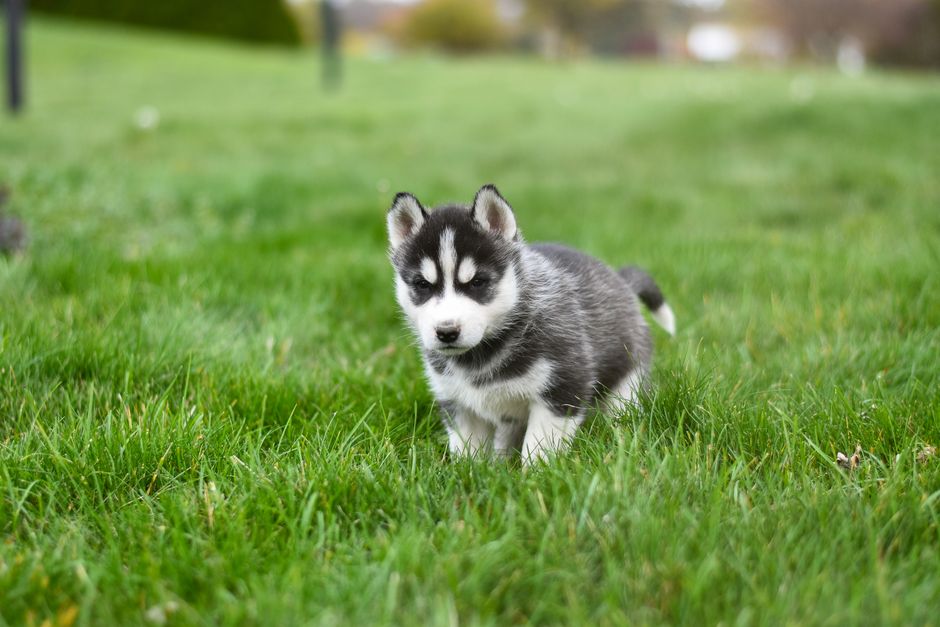
Understanding Canine Constipation
Constipation in dogs refers to infrequent, difficult, or absent bowel movements. It occurs when the colon absorbs too much water from the stool, making it hard and dry. While occasional constipation may not be alarming, chronic constipation can indicate underlying health issues.
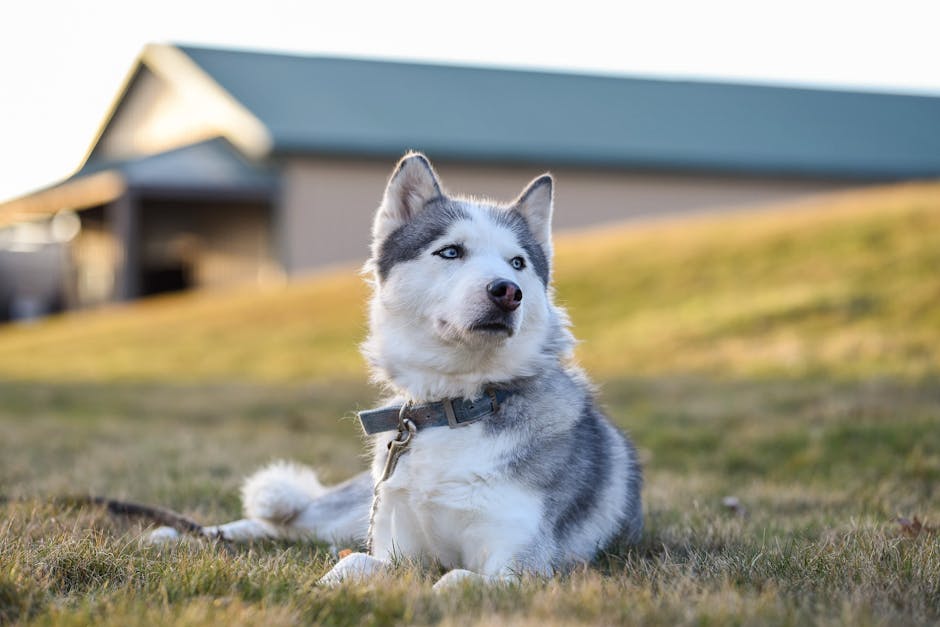
Why Are Huskies Prone to Constipation?
Siberian Huskies have a sensitive digestive system and can be prone to constipation due to their high energy levels, thick coats (which may lead to hairballs), and picky eating habits. Additionally, their independent nature may cause them to hold their stool when stressed or in unfamiliar environments.
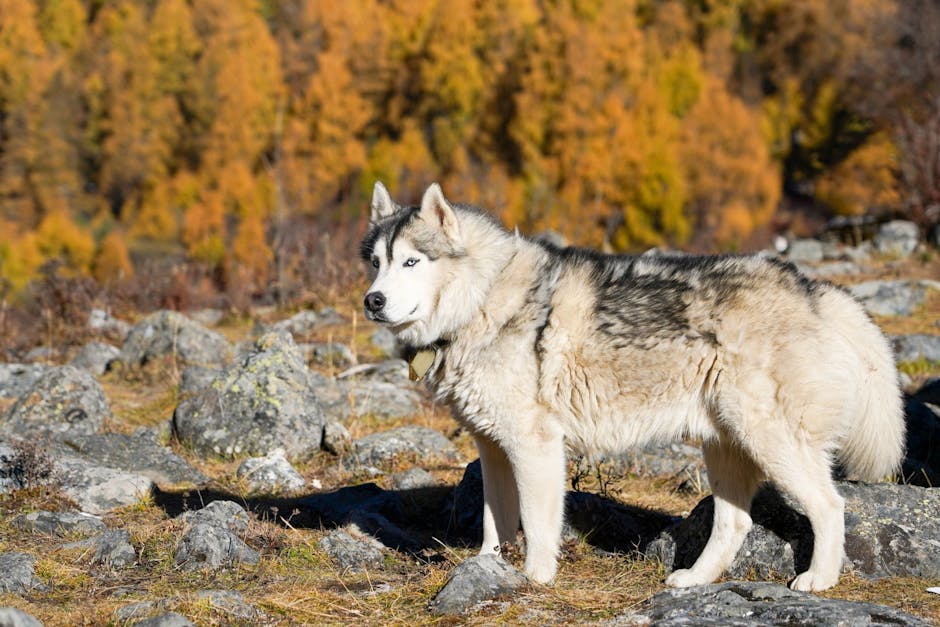
Common Causes of Constipation in Huskies
- Dehydration: Inadequate water intake leads to hard stools.
- Dietary Issues: Low-fiber diet, sudden food changes, or eating indigestible items.
- Lack of Exercise: Sedentary lifestyle slows gut motility.
- Hairballs: Excessive shedding and grooming can cause blockages.
- Stress or Anxiety: Changes in routine, travel, or new environments.
- Medical Conditions: Anal gland issues, hip dysplasia, or neurological disorders.
- Medications: Some drugs like antacids or opioids can cause constipation.
- Age: Older huskies may have slower metabolism.
Symptoms to Watch For
Mild Symptoms
- Straining to defecate with little or no stool production
- Hard, dry, or small pellets of stool
- Decreased frequency of bowel movements (less than once a day)
Moderate to Severe Symptoms
- Lethargy or discomfort
- Loss of appetite
- Vomiting or abdominal bloating
- Painful whining when trying to defecate
- Blood in stool or mucus
When to See a Vet
If your husky hasn't had a bowel movement in more than 48 hours, shows signs of pain, or has accompanying symptoms like vomiting, consult a veterinarian immediately. Chronic constipation can lead to megacolon, a serious condition requiring medical intervention.
How to Treat Constipation at Home
Hydration is Key
Ensure your husky has constant access to fresh water. Add water or low-sodium broth to their food to increase moisture intake. Ice cubes can also encourage drinking.
Dietary Adjustments
- Add fiber: Canned pumpkin (plain, not pie filling), cooked sweet potatoes, or green beans.
- Switch to high-fiber commercial dog food or add a fiber supplement like psyllium husk.
- Probiotics: Yogurt or over-the-counter canine probiotics help balance gut bacteria.
Increase Exercise
Physical activity stimulates bowel movements. Take your husky for longer walks, runs, or play fetch in the yard. Aim for at least 30-60 minutes of exercise daily.
Natural Laxatives
Safe home remedies include:
- Pumpkin puree (1-2 tablespoons per meal)
- Olive or coconut oil (1 teaspoon per 10 lbs body weight)
- Aloe vera juice (dog-safe)
- Slippery elm bark powder
Caution: Always introduce new foods gradually and consult your vet before using any laxatives.
Prevention Tips
- Provide a balanced diet with adequate fiber (3-5% of dry matter)
- Ensure constant access to clean water
- Establish a regular feeding and potty schedule
- Groom your husky regularly to reduce hairballs
- Minimize stress with positive reinforcement and a stable routine
- Schedule routine veterinary check-ups
Foods That Help vs. Foods to Avoid
| Helpful Foods | Foods to Avoid |
|---|---|
| Pumpkin, sweet potato, green beans | Bones, rawhide, corn, soy |
| Apple (without seeds), carrots | Dairy (if intolerant), fatty foods |
| High-fiber dog food (e.g., Science Diet i/d) | Grapes, raisins, onions |
Frequently Asked Questions
How long can a husky go without pooping?
Healthy huskies typically poop 1-2 times per day. If they go more than 48 hours without a bowel movement, contact your vet.
Can I give my husky human laxatives?
No. Human laxatives can be dangerous for dogs. Always use vet-approved remedies.
Is coconut oil safe for constipated huskies?
Yes, in small amounts (1 tsp per 10 lbs). It acts as a mild lubricant and helps soften stool.
Will exercise help my husky's constipation?
Absolutely. Regular exercise stimulates the digestive system and can encourage bowel movements.
Conclusion: Constipation in Siberian Huskies is manageable with proper care. Focus on hydration, fiber-rich foods, exercise, and stress reduction. If symptoms persist, always seek veterinary advice. Keeping your husky regular ensures a happy, healthy life.
Recommended Products for Your Husky
As an Amazon Associate, we earn from qualifying purchases. Learn more.
- Husky Care Essentials — Check price on Amazon
- Best-Selling Dog Gear — Check price on Amazon
- Newest Husky Products — Check price on Amazon
Editor's Note
We've seen coat condition flag internal problems weeks before other symptoms. A suddenly dull, thinning double coat sent three of our clients to the vet for issues nothing else had revealed yet.
Sources & Further Reading
HuskySpot researches each topic against recognized breed and veterinary authorities. The following organizations inform our content: