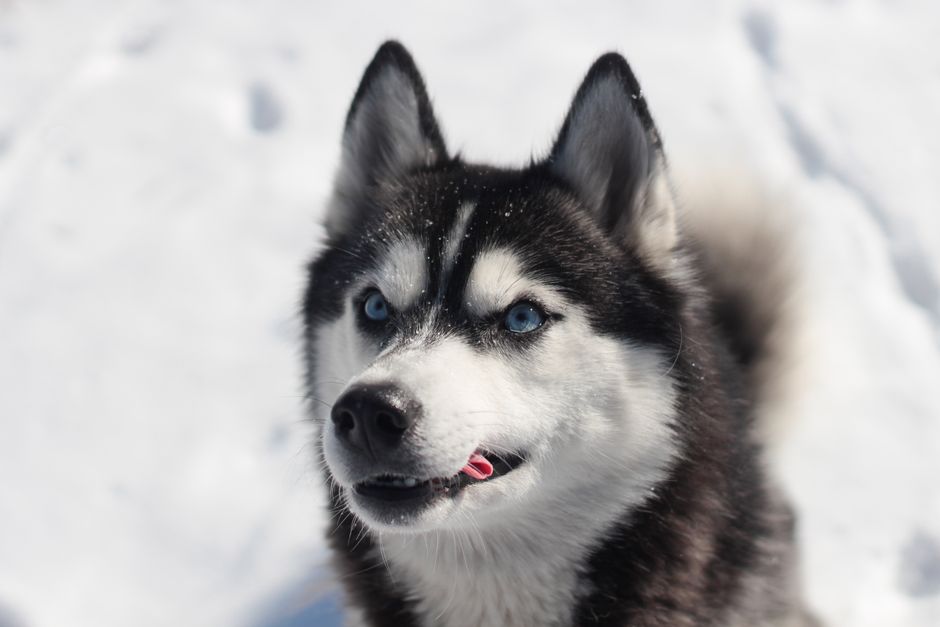
Understanding Husky Skin Health
Siberian Huskies are known for their thick double coat, but beneath that luxurious fur lies sensitive skin prone to various issues. From dry, flaky patches to allergic reactions and hot spots, Huskies often require extra support to maintain skin health. Supplements can play a vital role in addressing these concerns, providing essential nutrients that strengthen the skin barrier, reduce inflammation, and promote a shiny coat. This guide explores the best supplements for husky skin, how they work, and how to incorporate them into your dog’s routine.
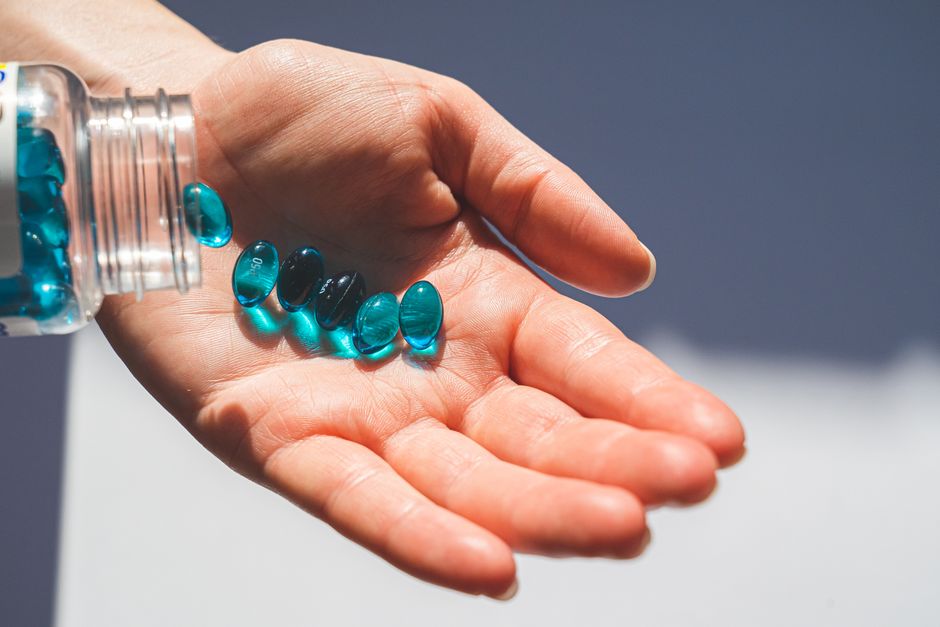
Common Skin Problems in Siberian Huskies
Before diving into supplements, it’s important to recognize the skin issues Huskies frequently face:
- Dry, flaky skin – Often caused by low humidity, poor diet, or lack of essential fatty acids.
- Allergies – Environmental (pollen, dust) or food allergies can lead to itching, redness, and hot spots.
- Hot spots (acute moist dermatitis) – Painful, moist lesions from excessive licking or scratching.
- Zinc-responsive dermatosis – A condition common in northern breeds, causing crusty skin around the mouth, eyes, and genitals.
- Seasonal shedding – While normal, excessive shedding may indicate nutritional gaps.
A balanced diet and targeted supplements can alleviate many of these symptoms.
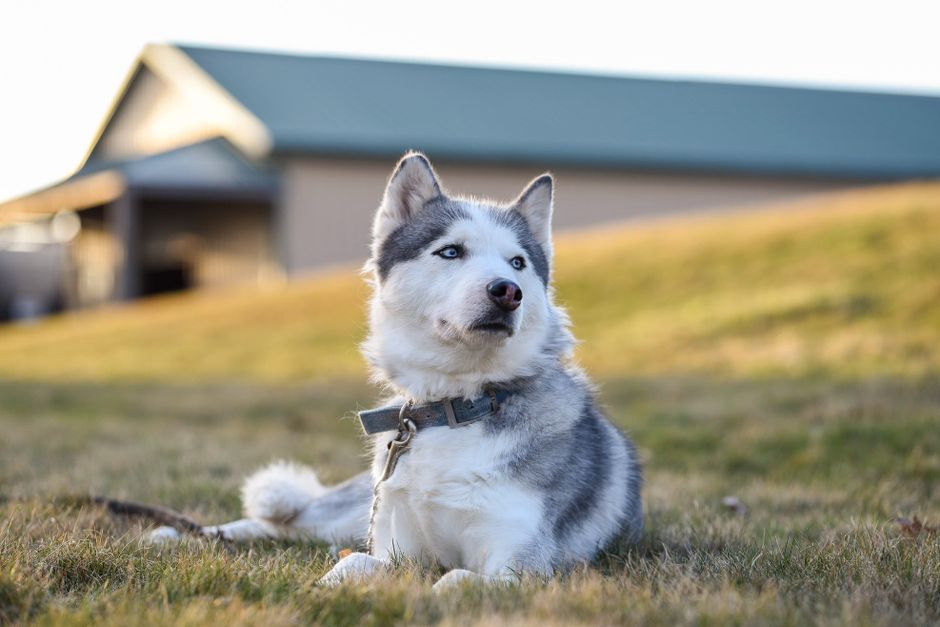
Top Supplements for Husky Skin Health
Omega-3 Fatty Acids (Fish Oil)
Omega-3s are the cornerstone of skin health. They reduce inflammation, strengthen the skin barrier, and add moisture to the coat. For Huskies, fish oil rich in EPA and DHA is most effective. Look for wild-caught salmon or krill oil. Dosage: 20-30 mg per kg of body weight daily. Start slowly to avoid digestive upset.
Vitamin E
Vitamin E is a powerful antioxidant that protects skin cells from oxidative damage. It also helps repair dry or cracked skin. Add it in oil form (e.g., d-alpha tocopherol) to food, or use it topically on hot spots. Dosage: 1-2 IU per kg of body weight daily. Too much can be toxic, so stick to recommended levels.
Zinc
Huskies are prone to zinc deficiency, which manifests as crusty patches, hair loss, and poor wound healing. Supplement with zinc gluconate or zinc methionine for better absorption. Dosage: 1-2 mg per kg of body weight daily. Avoid overdosing, as excess zinc can cause anemia.
Biotin
Biotin (vitamin B7) supports keratin production, important for healthy skin and a glossy coat. It’s especially helpful for dogs with brittle hair or flaky skin. Biotin is found in many commercial supplements. Dosage: 1-3 mg per 10 kg of body weight daily.
Probiotics
Gut health directly impacts skin. Probiotics balance the microbiome, reducing allergic reactions and inflammation. Choose a multi-strain formula with Lactobacillus and Bifidobacterium. Dosage: Follow product instructions; typically 1-2 billion CFUs per day for a medium dog.
Collagen
Collagen provides amino acids that support skin elasticity and joint health. Marine or bovine collagen hydrolysate is easily digestible. It can improve skin hydration and reduce signs of aging. Dosage: 1-2 teaspoons per 20 kg of body weight daily.
Coconut Oil (MCT Oil)
While not a supplement in the traditional sense, coconut oil can be added to food or applied topically. It contains medium-chain triglycerides that moisturize and offer antimicrobial properties. Use sparingly to avoid weight gain.
How to Choose the Right Supplement
Not all supplements are created equal. Here are key factors to consider:
- Quality: Look for third-party testing (e.g., NASC, USP) and pure ingredients without fillers.
- Form: Liquids, powders, and chews are available. Powders or liquids are easy to mix with food.
- Source: For fish oil, choose wild-caught vs. farmed for lower contaminants. For zinc, chelated forms are better.
- Vet approval: Always consult your veterinarian before starting, especially if your husky has underlying health issues or takes medications.
When to Use Supplements
Supplements can be used as maintenance or treatment: - Preventive: If your husky has seasonal allergies or dry skin, start in advance (e.g., during winter). - Reactive: For acute hot spots or itchy episodes, combine supplements with vet-prescribed treatments. - Life stage: Puppies need different levels than seniors. Adjust dosages accordingly.
Sample Supplement Schedule for a 20 kg Husky
| Supplement | Daily Dosage | Best Time |
|---|---|---|
| Fish Oil (1000 mg) | 1-2 softgels | With food |
| Vitamin E (400 IU) | 1 softgel every other day | With food |
| Zinc (50 mg) | 1/2 tablet (25 mg) | Separate from meals |
| Biotin (2.5 mg) | 1 tablet | With food |
| Probiotic | 1 capsule | Empty stomach |
Note: Adjust based on your husky’s specific needs and vet guidance.
Dietary Tips for Skin Health
Supplements work best with a solid diet. Feed a high-quality protein-rich diet (chicken, salmon, beef) with healthy fats. Avoid foods with corn, soy, or artificial additives that can trigger allergies. Add occasional toppers like blueberries (antioxidants) or bone broth (collagen). Ensure fresh water always.
Potential Risks and Side Effects
Over-supplementation can be harmful. Common issues include: - Fish oil: Pancreatitis (too much), vitamin E deficiency (at high doses). - Zinc: Nausea, anemia, copper deficiency. - Vitamin E: Bleeding issues at high doses. - Biotin: No known toxicity, but may interfere with lab tests. Always introduce one supplement at a time to monitor reactions. Discontinue if vomiting, diarrhea, or lethargy occurs.
Conclusion
Supporting your Siberian Husky’s skin health with the right supplements can make a world of difference. By addressing underlying deficiencies and inflammation, you reduce itching, improve coat condition, and enhance overall well-being. Remember, supplements are not a substitute for veterinary care – if your husky has persistent skin issues, seek a professional diagnosis. Start with Omega-3s and a good probiotic, and tailor the protocol to your dog’s unique needs. A healthy husky is a happy husky!
Recommended Products for Your Husky
As an Amazon Associate, we earn from qualifying purchases. Learn more.
- Joint Supplement — Check price on Amazon
- Hip Support — Check price on Amazon
- Mobility Chews — Check price on Amazon
Frequently Asked Questions
How do I maintain dental health?
Brush teeth 2–3 times weekly, offer dental chews, and schedule professional cleanings. Small breeds aren't the only ones with tartar.
What flea and tick prevention is best?
Oral or topical preventives from your vet beat OTC products. Tick-borne disease is rising in many Husky-friendly climates.
What health problems do Huskies have?
Main concerns are hip dysplasia, eye conditions (cataracts, PRA), and hypothyroidism. Reputable breeders screen with OFA and CERF.
Editor's Note
One thing we always tell new owners: learn your husky's normal. Gum color, breathing rate, stool consistency. The owners who knew the baseline caught real emergencies fast; the ones who didn't lost precious hours.
Sources & Further Reading
HuskySpot researches each topic against recognized breed and veterinary authorities. The following organizations inform our content: