Understanding Anxiety in Siberian Huskies
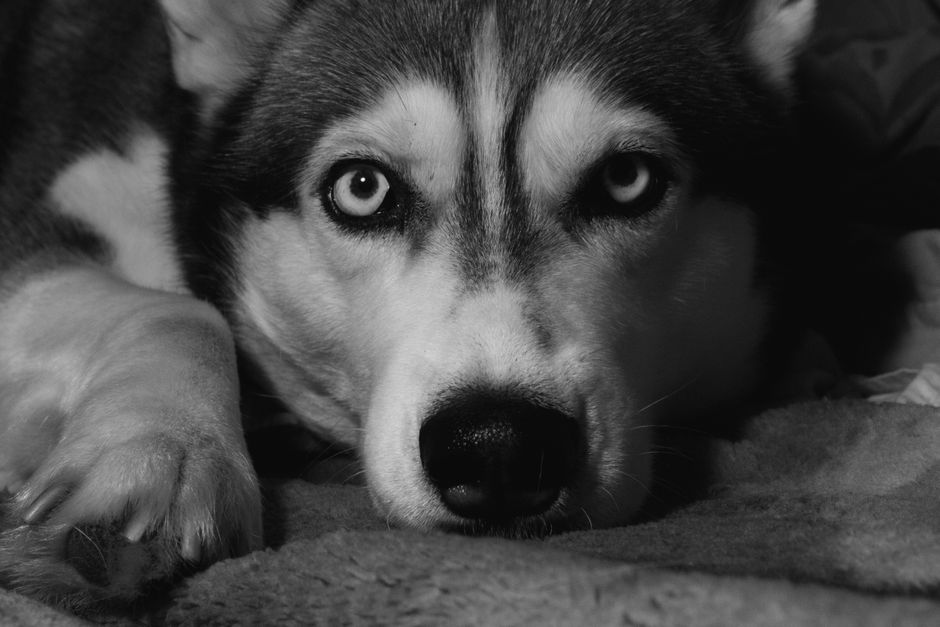
Siberian Huskies are known for their independent, energetic, and sometimes stubborn nature. However, these intelligent dogs are also prone to anxiety disorders, especially separation anxiety, noise phobias, and general nervousness. Anxiety in Huskies can manifest through destructive behavior, excessive barking, pacing, trembling, or even self-harm. While training and environmental modifications are the first line of defense, many owners find that medication is necessary to improve their dog's quality of life. This comprehensive guide covers everything you need to know about husky anxiety medication, from types and dosages to risks and alternatives.
Types of Anxiety Medications for Huskies
Veterinarians commonly prescribe several classes of medications for canine anxiety. The choice depends on the severity and type of anxiety, as well as the dog's overall health. Below is an overview of the most frequently used medications.
| Medication Class | Examples | Use Case |
|---|---|---|
| SSRIs (Selective Serotonin Reuptake Inhibitors) | Fluoxetine (Prozac), Sertraline (Zoloft) | Chronic anxiety, separation anxiety, general anxiety disorder |
| TCAs (Tricyclic Antidepressants) | Clomipramine (Clomicalm), Amitriptyline | Separation anxiety, obsessive-compulsive behaviors |
| Benzodiazepines | Alprazolam (Xanax), Diazepam (Valium) | Acute anxiety, noise phobias, situational stress |
| MAOIs (Monoamine Oxidase Inhibitors) | Selegiline (Anipryl) | Cognitive dysfunction, anxiety in older dogs |
| Supplements & Nutraceuticals | L-theanine, melatonin, CBD oil | Mild anxiety, support alongside prescription drugs |
When Is Medication Necessary?
Medication should be considered when a husky's anxiety significantly impacts their well-being or your ability to manage them safely. Signs that medication may be appropriate include:
- Destructive behavior that persists despite behavioral modification (e.g., chewing doors, digging holes).
- Self-injury, such as excessive licking or biting of paws.
- Inability to settle even with adequate exercise and enrichment.
- Severe noise phobia that leads to panic attacks (e.g., during thunderstorms or fireworks).
- Aggression or fear-based reactivity that may put other animals or people at risk.
Always consult with a veterinarian who has experience with huskies or behavioral medicine. They will rule out underlying medical conditions and create a tailored treatment plan.
How Husky Anxiety Medication Works
SSRIs and TCAs
SSRIs and TCAs work by altering the levels of neurotransmitters like serotonin and norepinephrine in the brain. They help regulate mood and reduce chronic anxiety over time. These medications are not immediate—it can take 4 to 8 weeks to see full effects. Consistency is crucial; giving the medication daily as prescribed maintains stable blood levels.
Benzodiazepines
Benzodiazepines are fast-acting and effective for short-term anxiety relief. They enhance the effect of GABA, an inhibitory neurotransmitter, promoting calmness. However, they can be habit-forming and may cause sedation or disinhibition. They are best used for predictable events like vet visits or fireworks, not as a daily solution.
Supplements
Natural supplements like L-theanine (found in green tea) or melatonin can help mild cases. CBD oil has gained popularity, but its efficacy is still under study. Always choose products specifically formulated for dogs and consult your vet before combining with other medications.
Dosage and Administration for Huskies
Huskies are medium to large dogs (35-60 lbs typically). Dosages are weight-dependent. For example:
- Fluoxetine: 0.5–1 mg/kg once daily. A 50 lb husky might receive 10–20 mg/day.
- Clomipramine: 1–2 mg/kg twice daily. For a 50 lb dog, that's about 25–50 mg every 12 hours.
- Alprazolam: 0.01–0.05 mg/kg as needed, up to 3 times daily. For a 50 lb husky, 0.25–1 mg per dose.
Never adjust dosages without veterinary guidance. Overdosing can be life-threatening. It's also important to follow the prescribed schedule—missing doses can cause withdrawal or breakthrough anxiety.
Potential Side Effects and Risks
All medications can have side effects. Common ones include:
- SSRIs/TCAs: Loss of appetite, vomiting, diarrhea, lethargy, increased anxiety in the first few weeks.
- Benzodiazepines: Sedation, ataxia (wobbly gait), increased appetite, paradoxical excitation (rare).
- Supplements: Generally safe but may cause upset stomach if overdosed.
Serious risks: serotonin syndrome (if combining certain meds), liver or kidney issues with long-term use, and drug interactions. Regular blood work is recommended for dogs on chronic medication.
Natural Alternatives and Complementary Therapies
Medication works best when combined with behavioral training and environmental changes. Consider these natural approaches:
- Exercise: Huskies need at least 1-2 hours of vigorous exercise daily to burn off restless energy.
- Mental stimulation: Puzzle toys, obedience training, and scent work keep their minds occupied.
- Thundershirts: Pressure wraps can calm some dogs during anxiety triggers.
- Pheromone diffusers: Adaptil or similar products release calming pheromones.
- Structured routine: Predictable schedules reduce uncertainty.
- Calming music or white noise: Masks trigger sounds like thunderstorms.
Working with Your Veterinarian
Before starting any medication, your vet should conduct a thorough exam and possibly blood tests. Discuss your husky's specific symptoms, triggers, and daily routine. Keep a journal of behaviors to monitor progress. Most vets recommend a combination of medication plus behavioral modification. Regular follow-ups are needed to assess efficacy and adjust dosages.
Frequently Asked Questions
Can I give my husky human anxiety medication?
Never give your dog medication prescribed for humans unless specifically instructed by your vet. Human formulations may contain ingredients toxic to dogs, and dosages are different.
How long does husky anxiety medication take to work?
It depends on the type. Benzodiazepines work within 30-60 minutes, while SSRIs and TCAs take 4-8 weeks to reach full effect. Immediate behavioral changes might be from placebo or other factors.
Will medication change my husky's personality?
Ideally, medication reduces anxiety without dulling their personality. If your husky becomes excessively lethargic or withdrawn, the dose may be too high or the wrong medication. Report side effects to your vet.
Can I stop medication abruptly?
No. Most anxiety medications require tapering to avoid withdrawal symptoms or rebound anxiety. Always follow your vet's discontinuation plan.
Conclusion
Husky anxiety medication can be a big improvement for dogs suffering from severe anxiety, but it's not a quick fix. It should be part of a comprehensive plan that includes training, exercise, and environmental modifications. Partner closely with your veterinarian to find the safest and most effective regimen for your furry friend. With patience and the right approach, you can help your husky live a calmer, happier life.
Recommended Products for Your Husky
As an Amazon Associate, we earn from qualifying purchases. Learn more.
- Husky Care Essentials — Check price on Amazon
- Best-Selling Dog Gear — Check price on Amazon
- Newest Husky Products — Check price on Amazon
Editor's Note
We've noticed senior huskies get written off too soon. The seven-year-old who 'slowed down' often just needed a joint supplement and lighter exercise, not a goodbye. Biannual checks changed outcomes for clients we manage.
Sources & Further Reading
HuskySpot researches each topic against recognized breed and veterinary authorities. The following organizations inform our content: