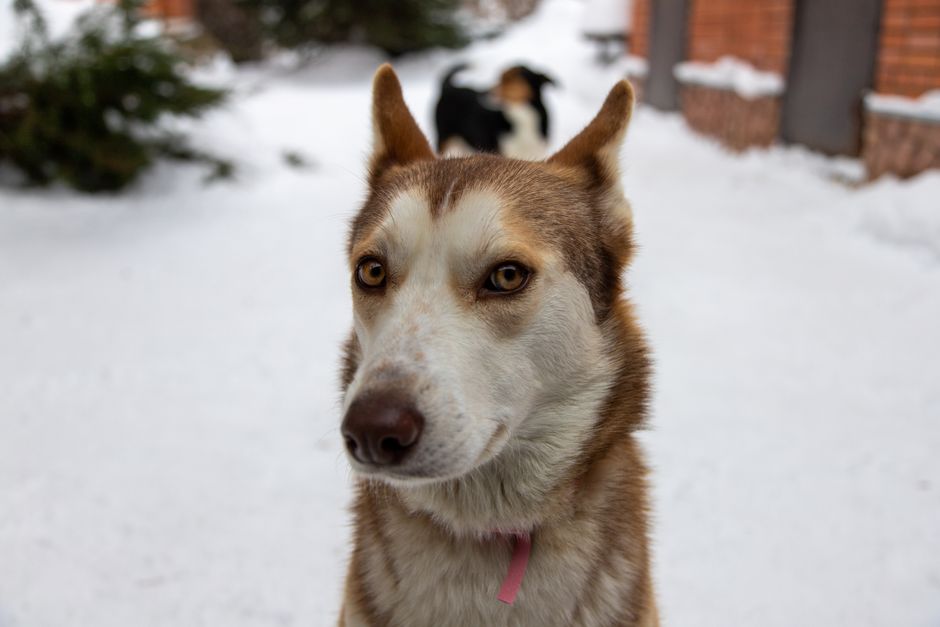
Introduction to Husky Ear Mites
Ear mites are a common parasitic infection that can affect Siberian Huskies, causing discomfort and potential secondary infections if left untreated. These tiny arthropods, primarily Otodectes cynotis, live in the ear canal and feed on earwax and skin oils. Huskies, with their erect ears and active outdoor lifestyles, are not immune. Recognizing the signs early and applying effective treatments is crucial for your Husky’s ear health.
What Are Ear Mites?
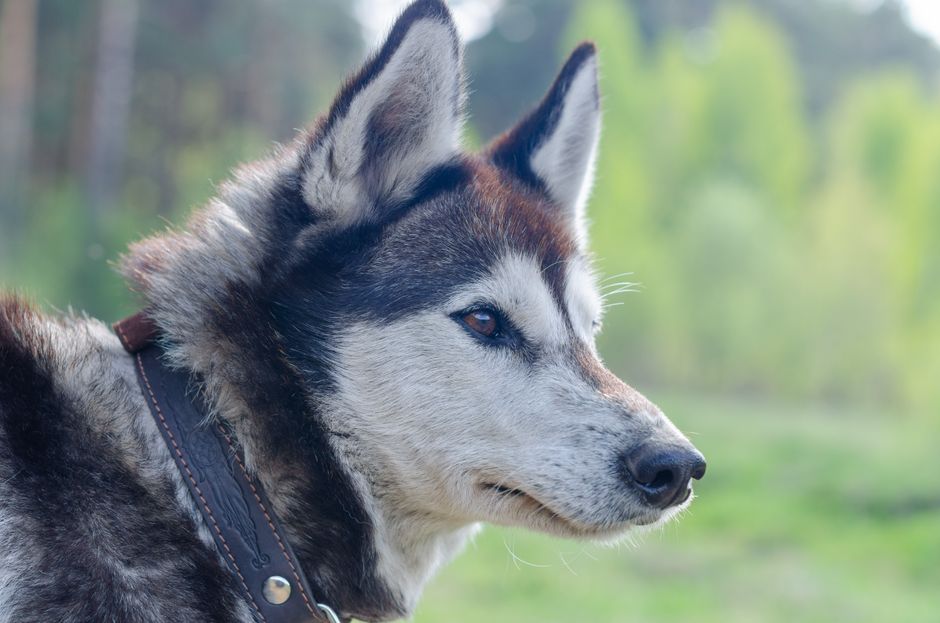
Ear mites are microscopic parasites that infest the ears of dogs, cats, and other animals. They are highly contagious and spread through direct contact with an infected animal or contaminated bedding. The mites cause intense itching, inflammation, and a characteristic dark, crumbly discharge that resembles coffee grounds. In Huskies, the thick fur around the ears can trap moisture and debris, creating an ideal environment for mites to thrive.
Symptoms of Ear Mites in Huskies
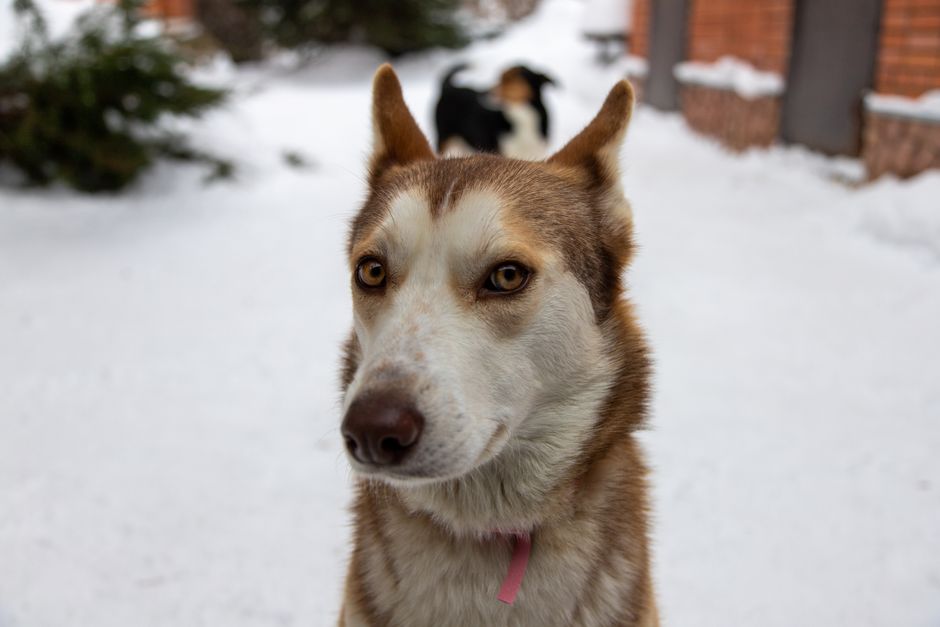
Common signs include:
- Excessive head shaking – Your Husky may shake its head vigorously to dislodge the irritants.
- Intense scratching – Persistent scratching at the ears, sometimes causing hair loss or skin damage.
- Dark, waxy discharge – A black or brown crumbly substance in the ear canal.
- Redness and swelling – The inner ear flap may become inflamed.
- Foul odor – A yeasty or musty smell due to secondary infections.
- Balance issues – In severe cases, mites can affect the inner ear, leading to head tilt or loss of coordination.
How Huskies Get Ear Mites
Huskies are typically infected through:
- Direct contact with an infested dog or cat (e.g., at dog parks, boarding facilities).
- Shared bedding or grooming tools.
- Outdoor exposure – Mites can survive for a short time in the environment.
- Puppy from mother – Mother dogs can pass mites to pups.
Because Huskies are social dogs, they are at higher risk if they interact with other animals. Regular ear checks are essential.
Diagnosis: How Vets Confirm Ear Mites
Your veterinarian will perform a thorough otoscopic examination to look for mites, eggs, and debris. A sample of the ear discharge is often examined under a microscope to confirm the presence of mites. Huskies may require sedation if they are painful or anxious. Early diagnosis prevents complications like bacterial or yeast infections.
Treatment Options for Husky Ear Mites
Over-the-Counter (OTC) Treatments
Many OTC ear mite products contain insecticides like pyrethrins or selamectin. However, not all are safe for Huskies (especially those with MDR1 gene mutation – rare but possible). Always consult your vet before using OTC medications. Products like Ear Mite Treatment for Dogs drops can be effective if used correctly.
Prescription Medications
Vet-prescribed treatments are highly effective:
- Topical drops (e.g., Tresaderm, Otomax) – Applied directly into the ear canal daily.
- Systemic medications (e.g., Revolution, Bravecto) – Applied to the skin and absorbed into the bloodstream, killing mites throughout the body.
- Oral medications – Less common but available (e.g., Simparica Trio).
Home Remedies (With Caution)
Some owners try natural remedies like olive oil or coconut oil to smother mites. While these may provide temporary relief, they are not as effective as veterinary treatments and can worsen the condition if not used properly. Never use hydrogen peroxide or alcohol, as they cause irritation.
Step-by-Step Cleaning and Treatment Guide
- Gather supplies: vet-approved ear cleaner, cotton balls or gauze (no cotton swabs deep in ear), prescribed medication, gloves.
- Prepare your Husky: Calm your dog with treats and gentle handling. Have a second person help if needed.
- Clean the ears: Squeeze cleaner into the ear canal, massage the base for 20–30 seconds, then let your Husky shake out debris. Wipe away visible dirt with cotton ball.
- Apply medication: Follow the dosage instructions. For drops, fill the ear canal and massage again. For systemic treatments, apply to skin as directed.
- Follow-up: Repeat cleaning and treatment as per your vet’s schedule (usually daily for 7–10 days). Re-check after 3–4 weeks.
Important: Complete the full course even if symptoms improve.
Preventing Ear Mites in Huskies
- Regular ear inspections – Check your Husky’s ears weekly for redness, discharge, or odor.
- Keep ears dry – After baths or swimming, gently dry the ears with a cotton ball.
- Use monthly preventives – Products like Revolution or Bravecto offer protection against ear mites and other parasites.
- Clean environment – Wash bedding, toys, and grooming tools in hot water. Vacuum carpets and furniture.
- Limit exposure – Avoid contact with stray or infested animals.
Complications of Untreated Ear Mites
If ignored, ear mites can lead to:
- Bacterial or yeast infections – The damaged skin becomes infected, causing pain and foul odor.
- Hematoma – Repeated head shaking can cause a blood blister in the ear flap, requiring surgery.
- Hearing loss – Chronic inflammation can damage the ear structures.
- Secondary skin infections – Scratching can spread mites to other body parts.
FAQs About Husky Ear Mites
Can humans get ear mites from a Husky?
Rarely. Human infection is usually temporary and mild, causing minor itching. But always wash hands after handling your dog’s ears.
How long does treatment take?
Most treatments show improvement within a few days, but complete elimination takes 3–4 weeks. Follow your vet’s plan.
Are huskies more prone to ear mites?
No more than other breeds, but their active lifestyle and floppy ears (if not erect) can increase risk. Regular care is key.
Can I use cat ear mite medicine on my Husky?
No. Some cat products contain ingredients toxic to dogs. Always use dog-specific products or vet recommendations.
When to See a Vet
If your Husky shows any symptoms of ear mites, schedule a veterinary visit. Early treatment is more effective and less expensive. Also, see a vet if OTC treatments don’t work after two weeks, or if you notice signs of infection like pus, swelling, or a foul smell. Your vet can perform a culture to determine the exact cause and prescribe appropriate medication.
Conclusion
Ear mites are a common but manageable issue for Siberian Huskies. With prompt detection, proper veterinary treatment, and consistent preventive care, your Husky can enjoy healthy, itch-free ears. Regular ear checks and monthly preventives go a long way in keeping these parasites at bay. Remember, never ignore ear scratching or head shaking – early action saves your Husky from discomfort and potential complications. For any concerns, consult your veterinarian to tailor a plan suitable for your Husky’s specific needs.
Recommended Products for Your Husky
As an Amazon Associate, we earn from qualifying purchases. Learn more.
- Healthy Dog Treats — Check price on Amazon
- Dental Chews — Check price on Amazon
- Training Treats — Check price on Amazon
Editor's Note
We've seen coat condition flag internal problems weeks before other symptoms. A suddenly dull, thinning double coat sent three of our clients to the vet for issues nothing else had revealed yet.
Sources & Further Reading
HuskySpot researches each topic against recognized breed and veterinary authorities. The following organizations inform our content: