If you own a Siberian Husky, you've likely experienced the enthusiastic leap of your furry friend when you walk through the door. While this behavior may seem endearing at first, it can quickly become problematic, especially for guests, children, or elderly individuals. Understanding why huskies jump on people is the first step toward addressing this common behavior issue. In this comprehensive guide, we'll explore the root causes, provide practical training tips, and help you cultivate a well-mannered companion.
Understanding Husky Behavior and Jumping
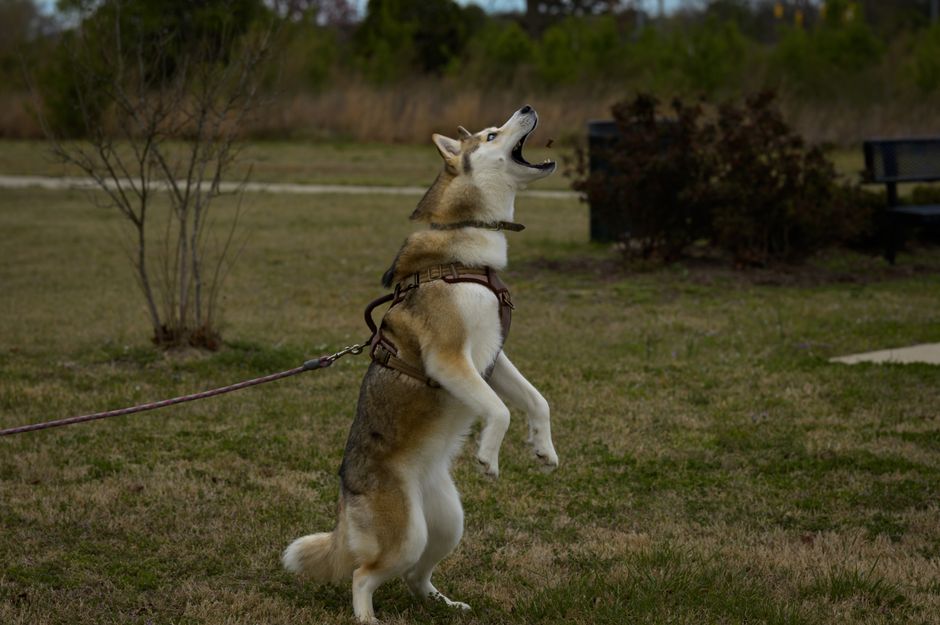
Huskies are known for their high energy, intelligence, and sociable nature. Bred as working dogs, they thrive on interaction and activity. Jumping is a natural canine behavior, but in huskies, it often stems from their exuberant personality. It's important to recognize that jumping is not usually an act of dominance but rather a form of communication. Huskies jump to greet, express excitement, seek attention, or simply because they haven't been taught an alternative behavior.
Dogs use body language extensively, and jumping allows them to get closer to your face, which is a common greeting behavior among canines. For a husky, a jump might be their way of saying, "I'm so happy to see you!" However, this behavior can be overwhelming and even dangerous if not managed properly.
Common Reasons Huskies Jump
Excitement and Greeting
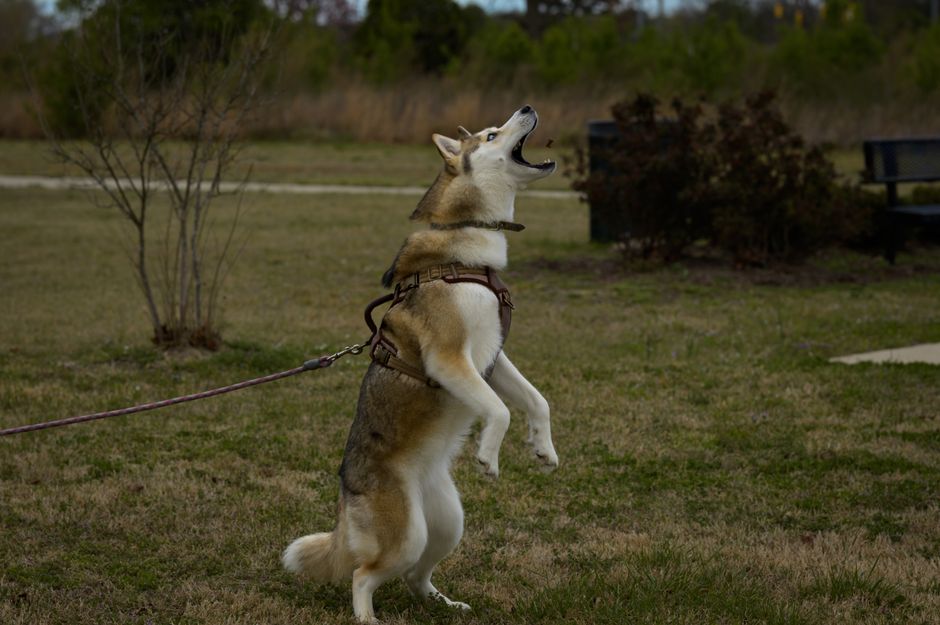
One of the most common triggers for jumping is the sheer excitement of seeing a loved one. Huskies are intensely social animals that form strong bonds with their owners. When you come home after a long day, your husky's joy can be overwhelming, and jumping is a way to express that joy. This behavior is often reinforced by the attention they receive—even negative attention like pushing them away can be seen as engagement.
Attention Seeking
Huskies are clever and quickly learn that jumping gets a reaction. If your husky jumps and you respond by looking at them, speaking, or touching them, they learn that jumping is an effective way to get your attention. This can become a learned behavior that persists if not addressed.
Lack of Training
Many husky owners underestimate the importance of early training. Without clear rules and consistent reinforcement, puppies grow into adults that continue to jump. Huskies are intelligent but can be stubborn, so structured training from a young age is crucial. If your husky has never been taught to sit or stay when greeting people, jumping becomes the default.
Overstimulation
Huskies have high energy levels and can become overstimulated easily. In situations like playtime, walks, or encounters with new people, their excitement can spike, leading to jumping. This is particularly common in huskies that don't get enough physical or mental stimulation—excess energy needs an outlet, and jumping is a quick release.
Learned Behavior
If your husky has been allowed to jump as a puppy without correction, they learn that it's acceptable. Additionally, if guests or family members inadvertently reward jumping by petting or cooing, the behavior is reinforced. Consistency in not rewarding jumping is key to breaking this cycle.
How to Stop Your Husky from Jumping
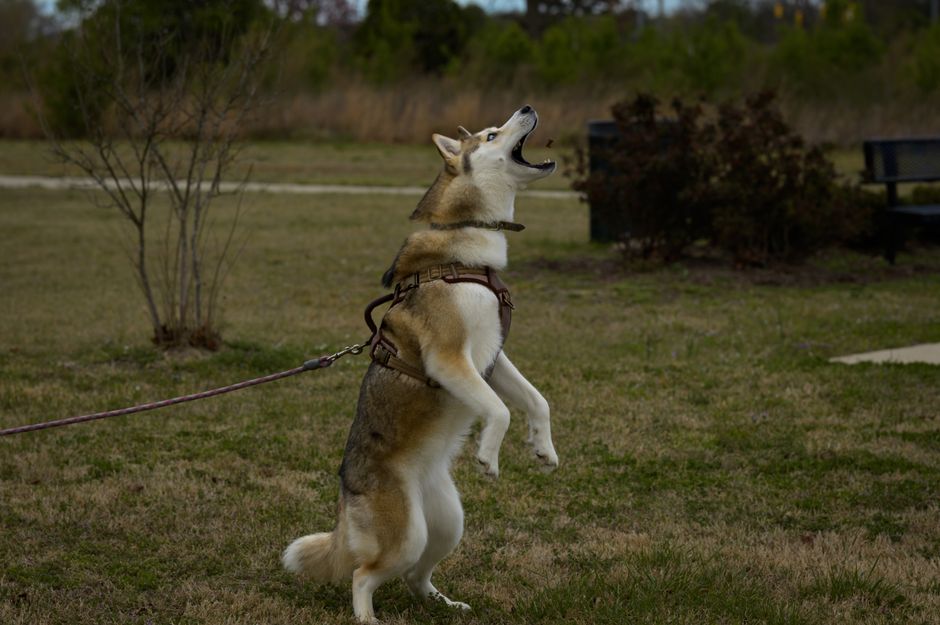
Training a husky to stop jumping requires patience, consistency, and positive reinforcement. Here are practical steps you can take:
Teach an Alternative Behavior
Train your husky to sit or offer a paw when greeting people. Start by practicing in low-distraction environments. Use treats to reward the desired behavior. For example, when you walk in the door, say "sit" and reward immediately. Over time, your husky will learn that sitting earns attention, not jumping.
Ignore the Jumping
When your husky jumps, turn your back, cross your arms, and avoid eye contact. Do not speak or push them away (which they might interpret as play). Wait for all four paws to be on the ground, then calmly reward with attention. This method teaches that jumping leads to nothing, while calm behavior brings rewards.
Manage the Environment
Use baby gates or a leash when guests arrive to prevent jumping. Ask visitors to ignore your husky until they calm down. Provide a mat or bed where your husky can go to settle. This controlled environment helps set boundaries.
Increase Exercise and Mental Stimulation
A tired husky is less likely to jump out of excitement. Ensure your husky gets plenty of physical exercise (walks, runs, play) and mental stimulation (puzzle toys, training sessions, dog sports like agility). Meeting their exercise needs reduces overstimulation and makes training easier.
Use Consistent Commands
Choose a command like "off" or "down" and use it consistently every time your husky jumps. Follow through with the training technique (ignore, redirect). All family members and frequent visitors should use the same command and approach to avoid confusion.
| Reason for Jumping | Solution |
|---|---|
| Excitement/Greeting | Teach sit before greeting, reward calm behavior |
| Attention Seeking | Ignore jumping, reward alternative behavior |
| Lack of Training | Consistent obedience training from puppyhood |
| Overstimulation | Increase exercise, mental enrichment |
| Learned Behavior | Modify family/guest responses, never reward jumping |
Preventing Jumping in Puppies vs. Adults
Puppies: Early Training Matters
Start training as soon as you bring your husky puppy home. Puppies are more impressionable and easier to shape. Use positive reinforcement to teach impulse control. For example, practice having your puppy sit before getting food, toys, or attention. Socialize your puppy with calm, friendly people and reward non-jumping greetings. Consistency is key—avoid letting your puppy jump on you even in cute moments.
Adult Huskies: Retraining is Possible
Retraining an adult husky that has a long history of jumping requires more patience, but it is absolutely possible. Focus on the "ignore and reward" method. Be prepared for an extinction burst—your husky may jump more initially when you start ignoring. Persist, and eventually, the behavior will decrease. In some cases, professional help from a dog trainer or behaviorist may be beneficial, especially if the jumping is accompanied by other behavioral issues.
When Jumping Signals a Problem
While jumping is usually a harmless expression of excitement, it can sometimes indicate underlying issues. If your husky's jumping seems compulsive, anxious, or aggressive, it's important to evaluate the context. Signs to watch for:
- Fearful body language: Tucked tail, ears back, whale eye—jumping may be a sign of stress or insecurity.
- Possessiveness: Jumping to protect you or resources may indicate resource guarding.
- Excessive energy: If jumping persists despite training and exercise, your husky may have unmet needs or medical issues (e.g., thyroid problems).
In such cases, consult a veterinarian or a certified dog behaviorist to rule out health problems and create a tailored behavior modification plan. Remember, a tired husky is a good husky, but if your dog is still overly hyperactive, consider whether their exercise and mental stimulation are sufficient.
, huskies jump on people primarily due to excitement, attention-seeking, lack of training, overstimulation, or learned behavior. By understanding the cause and applying consistent, positive training methods, you can teach your husky to greet people politely. Start early with puppies, be patient with adults, and never underestimate the power of ignoring unwanted behavior while rewarding calmness. With time and effort, you and your husky can enjoy harmonious interactions with everyone you meet.