The History of the Siberian Husky – Pulling is in Their DNA
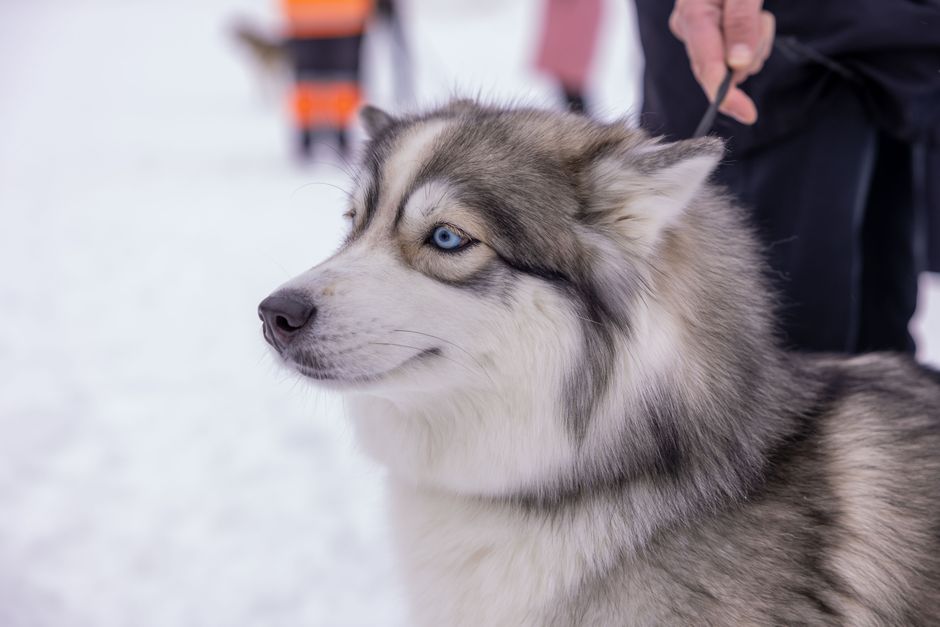
Siberian Huskies were bred by the Chukchi people of Siberia for one primary purpose: to pull sleds over long distances in harsh arctic conditions. This selective breeding over centuries has hardwired a powerful instinct to pull against resistance. Even though your husky may never see a sled, that genetic memory remains strong. When you attach a leash and start walking, your husky’s natural response is to lean into the harness and move forward with force. Pulling isn’t a sign of disobedience—it’s an inherited behavior that once meant survival.
Understanding the Sled Dog Instinct
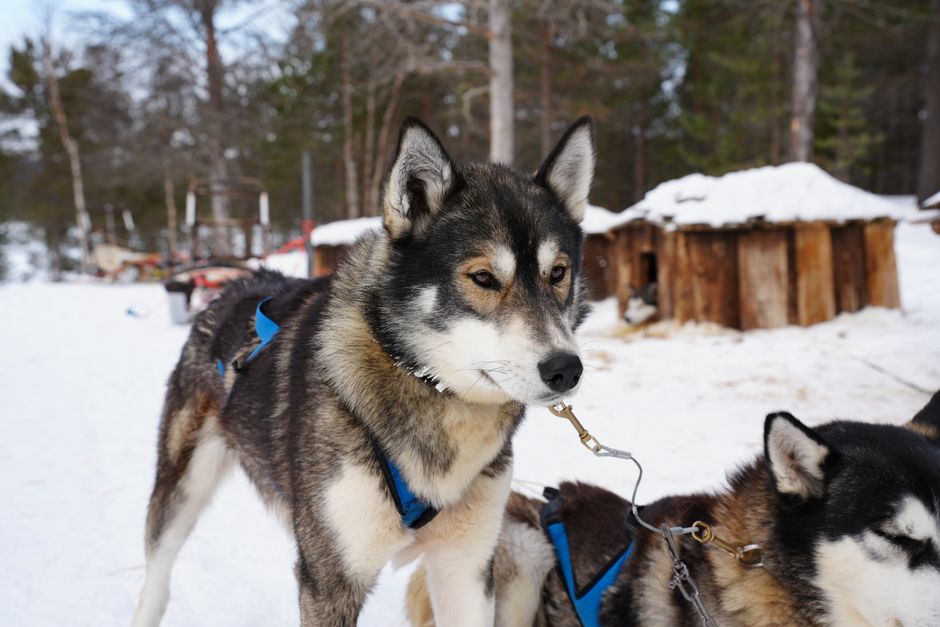
Pulling is deeply rooted in the breed’s working heritage. In a sled team, each dog pulls to contribute to the forward motion. The sensation of tension on the harness triggers a positive feedback loop in their brain: pull hard = move forward = reward. This neurological wiring doesn’t disappear when a harness is swapped for a collar or when the sled is replaced by a sidewalk. Your husky feels the resistance and automatically increases effort, mistaking the leash for a tugline. Additionally, huskies are pack-oriented and naturally follow a leader. In their mind, if you’re holding the leash, you’re the musher, and they’re the lead dog—so they pull to take charge.
Common Reasons Huskies Pull – Not Just Stubbornness
High Prey Drive
Huskies have an intense prey drive inherited from their hunting past. A squirrel, rabbit, or even a rustling leaf can trigger an explosive lunge. Their focus narrows to the target, and pulling becomes an automatic chase response. This is not willful defiance but a survival mechanism so strong it can override training in a split second.
Excitement and Overstimulation
For many huskies, walks are the highlight of the day. The moment you pick up the leash, they may become frantic with excitement. This arousal state floods their system with adrenaline, making it difficult to focus on loose-leash walking. The pull is an expression of eagerness, not dominance.
Lack of Training or Inconsistent Leadership
If your husky has never been taught alternatives to pulling, they will default to what feels natural. Inconsistent rules—sometimes allowing pulling, other times correcting—confuse the dog. Without clear communication, the husky learns that pulling sometimes works, so they keep trying.
Boredom or Excess Energy
Huskies are high-energy dogs. If they haven’t had enough physical or mental stimulation, a walk becomes their only outlet. Pulling can be a way to release pent-up energy or a sign that they need more exercise and enrichment before the leash comes out.
Harness Design
Many standard back-clip harnesses actually encourage pulling. The pressure on the back triggers a opposition reflex—dogs naturally lean into pressure. If your husky wears a back-clip harness, you are inadvertently making pulling more comfortable and effective.
How to Train a Husky to Stop Pulling – Practical Techniques
1. Master Loose Leash Walking
Start in a low-distraction environment like your living room. Stand still with the leash slack. The moment your husky moves and tightens the leash, stop walking. Wait until they look back or step toward you, then reward with a treat and resume walking. Repeat hundreds of times. This teaches that tension stops the walk, while a loose leash moves them forward.
2. Use Positive Reinforcement
Reward your husky for checking in with you, especially near triggers. Keep high-value treats (small pieces of cheese or freeze-dried liver) in your pocket. When your husky looks at you while walking on a loose leash, praise and treat. This builds a habit of voluntary attention.
3. Practice the Be a Tree Method
When your husky pulls, stop moving and become a “tree.” Stand still, no corrections, no eye contact. Wait for the leash to slacken. The instant there is any slack, mark with “yes” and treat, then walk. This method uses the principle that pulling never results in forward progress.
4. Engage-Disengage Game
For high prey drive, teach your husky to look at a trigger and then back at you. Start at a distance where they notice the squirrel but don’t lunge. Say “look” and when they look at it, reward. Then when they look back at you, reward again. Gradually reduce distance.
5. Manage Environment and Use Premack Principle
Before the walk, use a flirt pole or fetch to burn off initial energy. Then, allow your husky to walk calmly on a loose leash for a few steps, then release them to sniff or explore as a reward. This makes loose leash walking a ticket to fun activities.
Tools That Can Help
| Tool | How It Works | Pros | Cons |
|---|---|---|---|
| Front-Clip Harness | Clip attaches on the chest; when dog pulls, it turns them sideways | Discourages pulling, safe for trachea | Must be fitted correctly; some dogs may still pull powerfully |
| Head Halter (e.g., Gentle Leader) | Loops around snout; directs the head, reducing momentum | Very effective for strong pullers | Requires proper introduction; some dogs dislike it |
| Back-Clip Harness | Clip on the back; often encourages pulling | Comfortable for calm dogs | Not recommended for training pullers |
| No-Pull Harness with Front and Back Clips | Dual attachment points; can switch between modes | Versatile for training and regular walks | More complex to use |
Consistency and Patience – The Key to Success
Training a husky to stop pulling is not a quick fix. It requires daily practice, consistent rules, and immense patience. Every member of the household must use the same techniques; otherwise, your husky will learn that pulling works with some people. Short, frequent training sessions (5-10 minutes) are more effective than long, frustrating ones. Celebrate small victories—a few steps of loose leash walking today can become many more tomorrow. Do not punish your husky for pulling; instead, focus on preventing the behavior and rewarding the alternative. Remember, huskies are intelligent and sensitive; harsh corrections can damage trust and increase pulling due to stress.
When to Seek Professional Help
If your husky’s pulling is dangerous (e.g., lunging towards busy roads, pulling you off balance), or if you’ve tried consistent training for months without improvement, consider hiring a certified professional dog trainer who uses force-free methods. A trainer can provide hands-on guidance, identify subtle handler errors, and design a customized plan. Additionally, if pulling is accompanied by aggression or extreme fear, consult a veterinary behaviorist to rule out underlying medical or behavioral issues.
Conclusion
Huskies pull because it’s in their blood—centuries of sled dog heritage have wired them to lean into tension and move forward. But with understanding, patience, and the right training techniques, you can teach your husky to walk politely on a leash. Focus on rewarding loose leash behavior, manage the environment, and use tools like front-clip harnesses to make pulling less effective. Every walk is a training opportunity. By working with your husky’s instincts rather than against them, you’ll build a stronger bond and enjoy peaceful, enjoyable walks together.