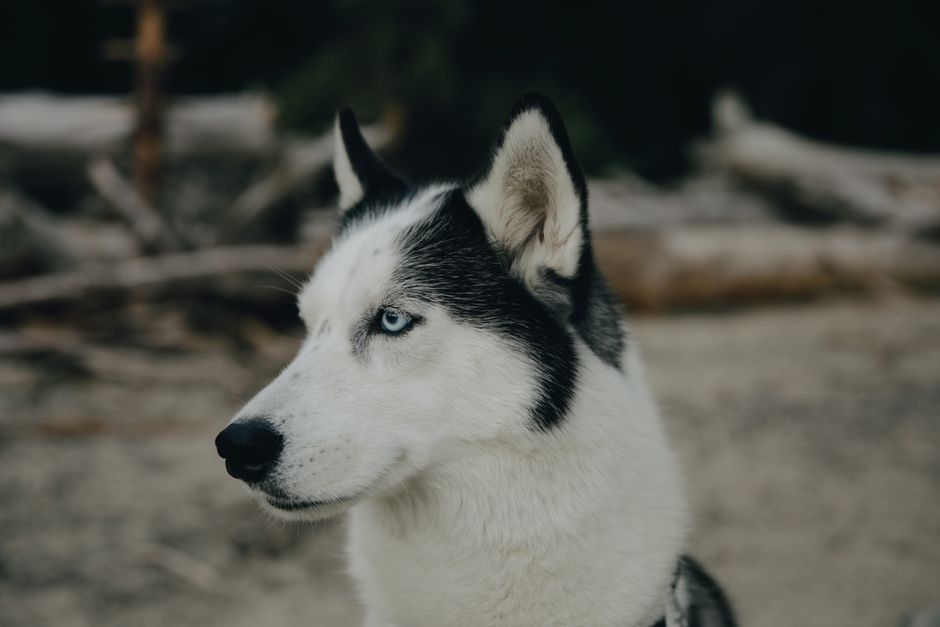
The Natural Instinct: Huskies Are Born Chewers
Siberian Huskies are ancient working dogs bred to pull sleds over long distances. This heritage means they have powerful jaws and an innate need to chew. Chewing helps keep their teeth clean, exercises jaw muscles, and relieves stress. For a Husky, chewing is not just a bad habit—it's a deeply ingrained behavior. Shoes, unfortunately, make perfect targets because they are easily accessible, have interesting textures, and carry your scent.
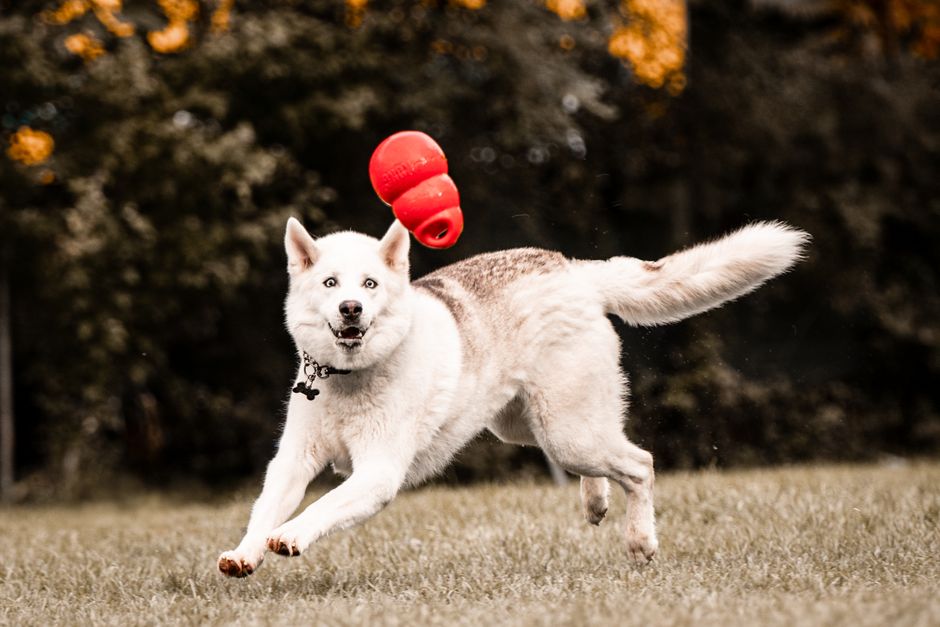
Boredom and Lack of Stimulation
Huskies are highly intelligent and energetic. Without enough physical exercise and mental enrichment, they quickly become bored. A bored Husky will find ways to entertain itself, and chewing on shoes is a common outlet. If your Husky is left alone for long periods or doesn't get daily runs, hikes, or puzzle toys, chewing shoes may be its way of saying, 'I need more to do!' Aim for at least 60-90 minutes of vigorous exercise daily, plus training sessions and interactive games.
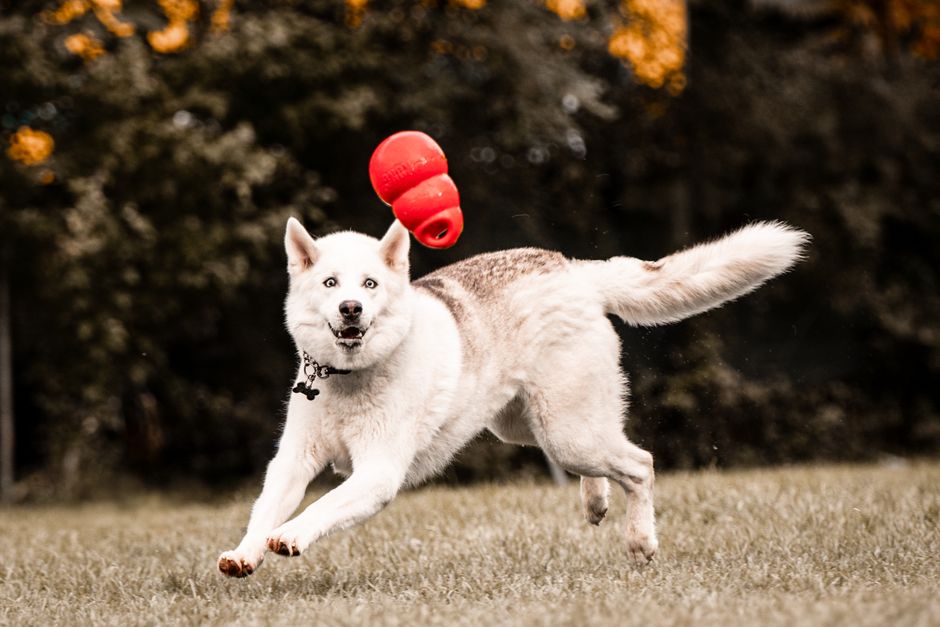
Teething and Puppy Phase
Puppy Huskies experience teething between 3 and 6 months of age, during which their gums are sore. Chewing provides relief. Shoes are often the perfect combination of soft yet tough—ideal for sore gums. If your Husky is a puppy, provide frozen chew toys or damp washcloths to soothe its mouth. Remember, this phase is temporary, but proper redirection now prevents lifelong habits.
Separation Anxiety and Stress
Huskies are pack animals that bond closely with their humans. When left alone, they can suffer from separation anxiety, leading to destructive behaviors like chewing shoes. Stress triggers the release of cortisol, and chewing releases endorphins that calm the dog. If your Husky only chews shoes when you're away, it may be a sign of anxiety. Consider crate training, leaving comforting items, or consulting a veterinary behaviorist for severe cases.
Your Shoes Smell Like You
Huskies have an extraordinary sense of smell—up to 100,000 times better than humans. Your shoes carry your unique scent from sweat, dirt, and the environment. To a Husky, your shoes are a comforting reminder of you. Chewing them is a way to feel close when you're not around. It's not spite; it's affection combined with instinct. To prevent this, keep shoes in a closed closet or high shelf immediately after taking them off.
How to Stop Your Husky from Chewing Shoes
Provide Appropriate Alternatives
Give your Husky several chew toys that mimic the texture and shape of shoes. Avoid toys that look too much like shoes to prevent confusion. Rotate toys weekly to keep them novel. Good options include:
- Kong toys stuffed with peanut butter
- Nylabone-style nylon chews
- Rope toys for tugging
- Puzzle toys that dispense treats
Increase Exercise and Mental Stimulation
A tired Husky is a well-behaved Husky. Incorporate daily activities that challenge both body and mind:
- Long walks or runs (at least 30-60 minutes)
- Off-leash play in a secure area
- Agility training or nose work games
- Interactive feeding toys (e.g., slow feeders, treat balls)
Manage the Environment
Prevention is key. Keep shoes, slippers, and socks out of reach. Use baby gates to restrict access to rooms where shoes are stored. When you're home, supervise your Husky and redirect any interest in shoes to a toy.
Training: 'Leave It' and 'Drop It'
Teach these commands to stop unwanted chewing in its tracks. Start with a treat in your hand, say 'leave it,' and reward when your dog ignores it. Practice with shoes on the floor. For 'drop it,' trade a shoe for a high-value treat. Consistency is crucial—reward every success.
Use Deterrents
Apply a taste deterrent like bitter apple spray to shoes you want to protect. Most dogs dislike the bitter taste and will avoid treated items. Reapply frequently, especially if your Husky is determined.
Conclusion
Understanding why do huskies chew shoes is the first step to solving the problem. It's rarely out of mischief—instead, it's rooted in instinct, boredom, anxiety, or comfort. By providing adequate exercise, mental stimulation, proper training, and a safe environment, you can redirect this natural behavior toward acceptable outlets. Be patient and consistent, and your Husky will learn that shoes are not toys. Remember, a happy Husky is one that has its physical and emotional needs met.
| Chew Toy Type | Benefit |
|---|---|
| Kong with stuffing | Durable and can be frozen for teething |
| Nylabone | Long-lasting, satisfies strong chewers |
| Rope toy | Helps clean teeth, good for tugging |
| Puzzle toy | Mental stimulation, reduces boredom |