Understanding the Prey Drive in Siberian Huskies
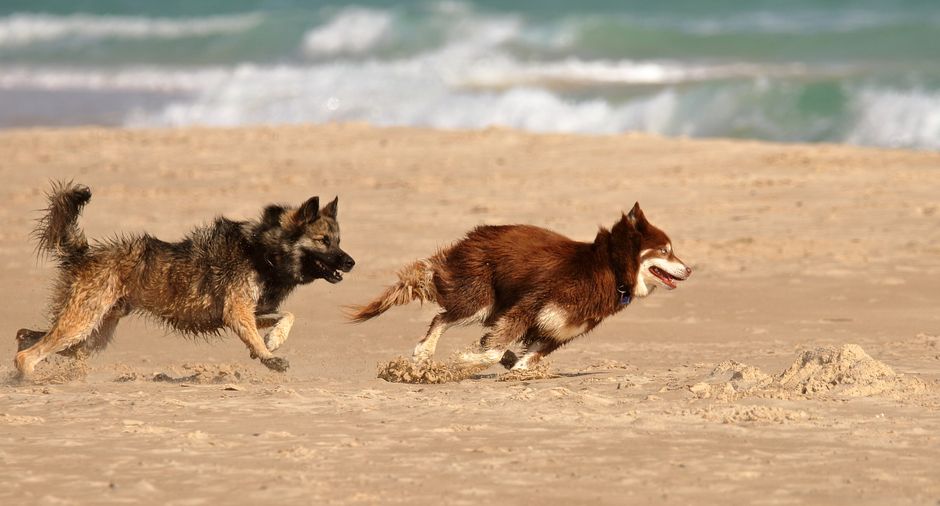
Siberian Huskies were originally bred as sled dogs in harsh Arctic environments. Their survival depended on a strong prey drive to hunt small animals for food. This instinct, passed down through generations, makes them naturally inclined to chase moving objects, including cats. Even though modern Huskies are family pets, the prey drive remains deeply ingrained. Understanding this instinct is the first step in managing the behavior.
The Role of Genetics and History
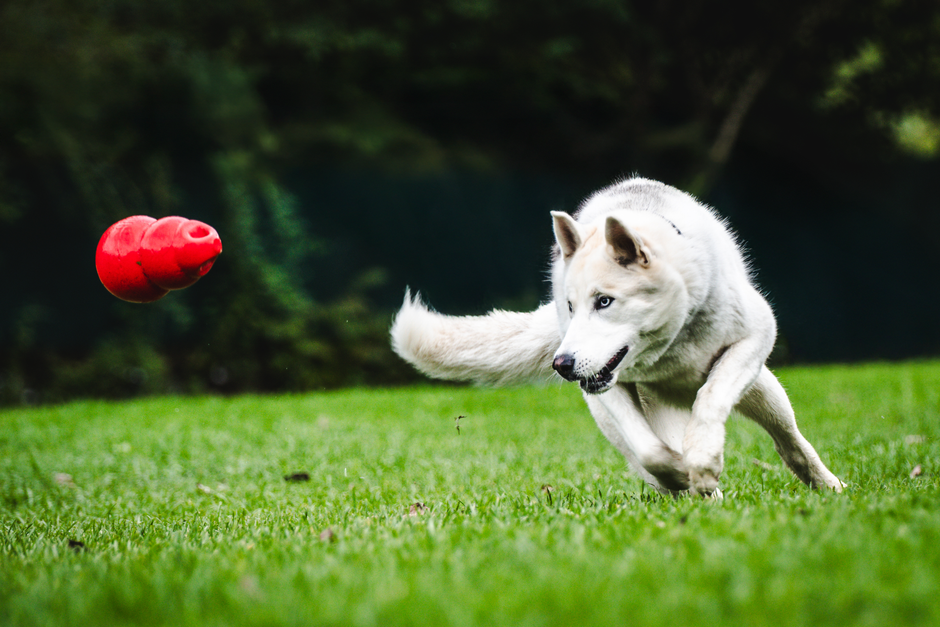
Huskies have a high prey drive due to their history as working dogs. They were used for hunting and pulling sleds over long distances. Their ancestors had to be efficient hunters to sustain themselves. This genetic predisposition means that cats, squirrels, and other small animals trigger an automatic chase response. It's not aggression but an instinctual behavior. Recognizing this helps owners approach training with patience.
Signs Your Husky Might Chase Cats
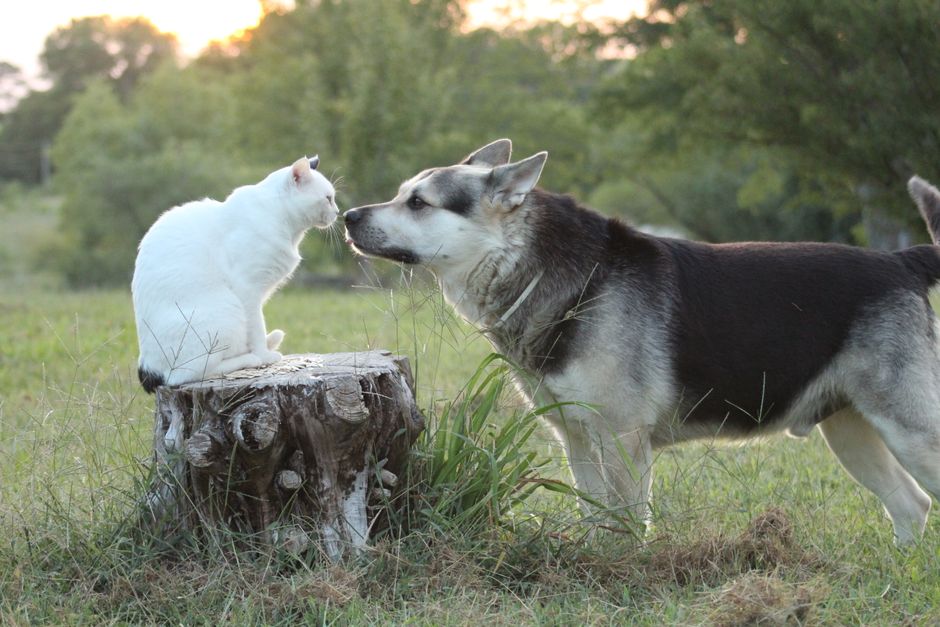
- Intense focus and staring at the cat
- Stiff body posture, ears forward
- Whining or barking when cat is near
- Pouncing or stalking movements
- Ignoring commands when fixated
If your Husky exhibits these signs, they are likely to chase. Early intervention is crucial.
Training Techniques to Stop the Chase
Impulse Control Exercises
Teach your Husky commands like "leave it" and "stay" using high-value treats. Practice in low-distraction environments first. Gradually introduce a cat at a distance, rewarding calm behavior. Never punish; instead, redirect attention.
Desensitization and Counter-Conditioning
Expose your Husky to cats from a safe distance (e.g., behind a gate). Pair the sight of the cat with treats. Slowly decrease distance over weeks. The goal is to associate cats with positive experiences.
Management Tools
Use a leash or harness during introductions. Baby gates and crates provide safe zones for the cat. Never leave them unsupervised until trust is built.
Common Mistakes Owners Make
- Allowing chase behavior even once reinforces it.
- Using punishment can increase anxiety and aggression.
- Assuming your Husky will "grow out of it" — prey drive is lifelong.
- Not providing enough physical and mental exercise; a tired Husky is less likely to chase.
Realistic Expectations: Can You Trust a Husky with a Cat?
Many Huskies can coexist peacefully with cats if properly introduced and trained. However, no amount of training completely eliminates prey drive. Some Huskies may never be safe around cats, especially smaller ones. Always prioritize safety. In multi-pet households, constant supervision and a backup plan (like separate living areas) are essential.
Case Studies and Examples
| Scenario | Outcome | Key Takeaway |
|---|---|---|
| Puppy raised with adult cat | Usually successful with socialization | Early exposure matters |
| Adult Husky introduced to new cat | Requires slow, careful introduction | Patience and management |
| Husky with high prey drive and small cat | Risk remains high; may need separation | Safety first |
When to Seek Professional Help
If your Husky shows extreme fixation, aggression, or you're unable to manage the behavior, consult a certified dog behaviorist. A professional can design a tailored training plan. In severe cases, rehoming the cat or Husky might be the most humane option.
Conclusion
Why do Huskies chase cats? It's their instinct. But with understanding, training, and management, many Huskies learn to live harmoniously with feline companions. Success depends on consistency, realistic expectations, and a deep respect for your dog's natural drives. Remember, every Husky is an individual; some will adapt, others won't. Always put safety first.