Aggressive behavior in Siberian Huskies can be alarming for owners, as these dogs are typically known for their friendly and outgoing nature. However, aggression is not a breed trait but a response to specific triggers. Understanding the root causes and implementing proper training can help manage and prevent aggressive outbursts. This guide covers everything you need to know about aggressive husky behavior, from causes to solutions.
Understanding Aggression in Siberian Huskies
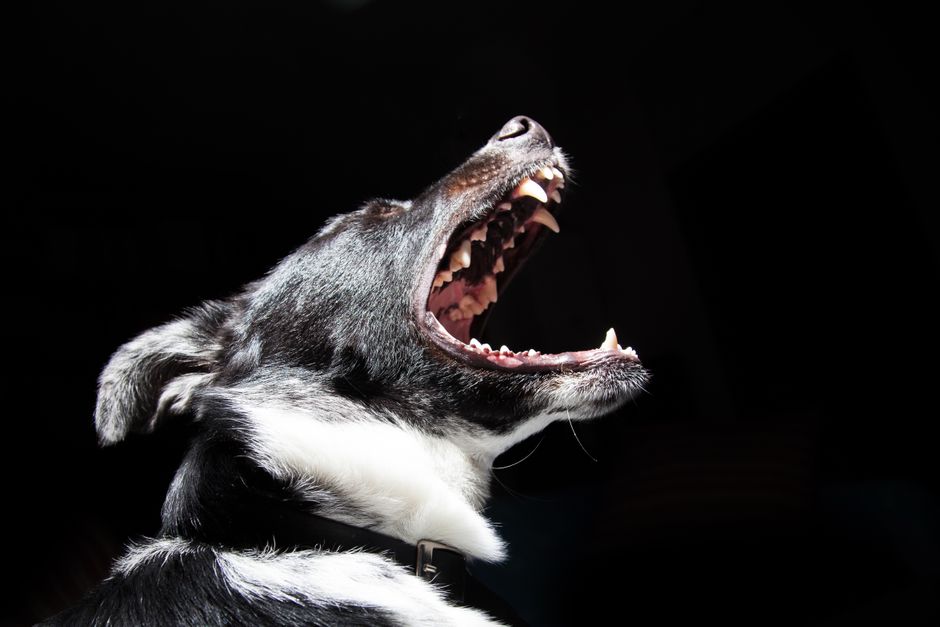
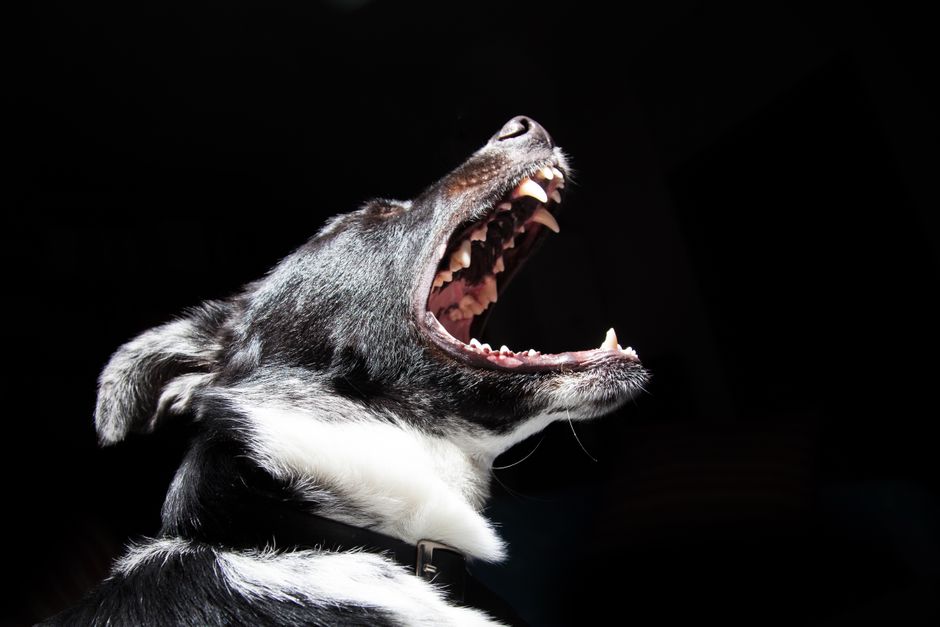
Aggression in dogs is defined as threatening or harmful behavior directed at another individual. In Huskies, aggression often manifests as growling, snapping, biting, or lunging. It's crucial to differentiate between true aggression and other behaviors like rough play, excitement, or fear responses. Huskies are intelligent and independent, which can sometimes be misinterpreted as stubbornness or aggression. Recognizing the dog's body language—stiff posture, raised hackles, whale eye, or tucked tail—is key to early intervention.
Common Causes of Aggressive Behavior
Aggression rarely appears out of nowhere. It's usually triggered by one or more underlying factors. Here are the most common causes specific to Siberian Huskies:
Lack of Socialization
Huskies are pack animals and need early, positive exposure to various people, animals, and environments. Without proper socialization during the critical period (3-16 weeks), they may develop fear-based aggression towards unfamiliar stimuli. A poorly socialized Husky may react aggressively to strangers, other dogs, or new situations.
Fear or Anxiety
Fear is a major driver of aggression. A Husky that feels threatened—whether by loud noises, sudden movements, or perceived danger—may resort to aggression as a defense mechanism. Anxiety disorders, separation anxiety, or past trauma can amplify this response.
Resource Guarding
Many Huskies have a strong instinct to guard valuable resources like food, toys, beds, or even their owner. Resource guarding can escalate if not addressed early. Signs include stiffening over an item, growling, or snapping when approached.
Pain or Medical Issues
Physical discomfort can cause irritability and aggression. Conditions like hip dysplasia, dental pain, thyroid imbalances, or neurological disorders may lower a Husky's threshold for aggression. A sudden behavior change warrants a veterinary checkup.
Predatory Instincts
Huskies have a high prey drive, which is not true aggression but can be mistaken for it. They may chase small animals or even children if they run. This instinct is deeply ingrained and requires management, not punishment.
Types of Aggression in Huskies
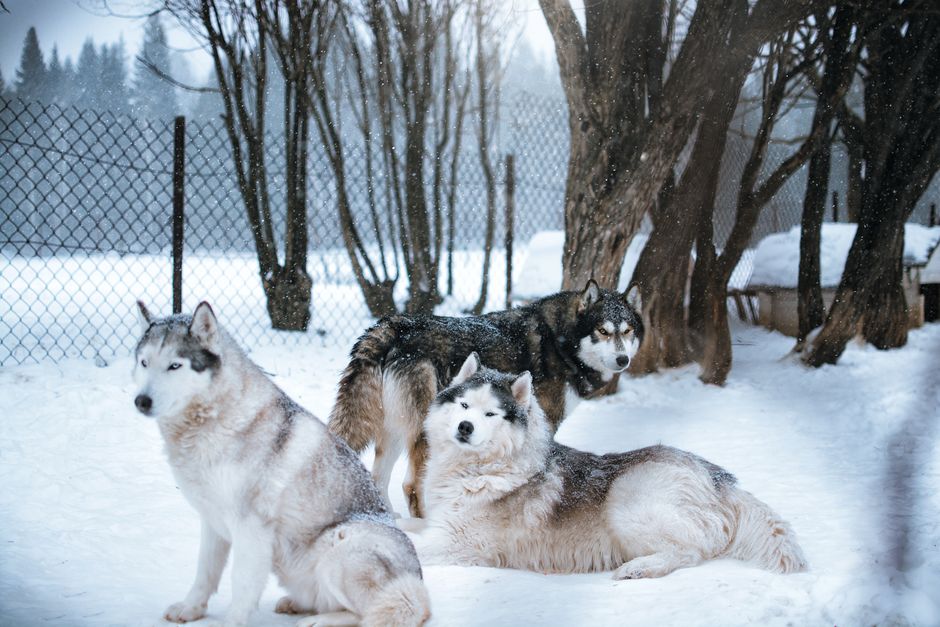
Aggression can be categorized based on the target and context. Understanding the type helps tailor the training approach.
Dog-to-Dog Aggression
This is common in intact males and can be directed at unfamiliar dogs or even household dogs rivalry. It often stems from dominance, fear, or lack of social skills. Female Huskies can also show aggression, especially when in heat or protecting puppies.
Human-Directed Aggression
Though rare in well-bred Huskies, human aggression can occur. It may be fear-based (towards strangers) or possessive (guarding owner). In extreme cases, it could be a sign of improper breeding or lack of boundaries.
Redirected Aggression
When a Husky is aroused by a trigger (e.g., a dog across the fence) but cannot reach it, it may redirect aggression onto a nearby person or animal. This is often a management issue and can be prevented by avoiding high-arousal situations.
How to Prevent Aggressive Behavior
Prevention is easier than correction. These strategies are important for raising a well-adjusted Husky.
Early Socialization
Expose your Husky puppy to a wide range of positive experiences: different people, dogs, surfaces, sounds, and handling. Enroll in puppy classes, arrange playdates, and take them to dog-friendly stores. The goal is to create a confident, neutral response to novelty.
Training and Obedience
Start basic obedience as early as 8 weeks. Focus on commands like "sit," "stay," "leave it," and "come." Use positive reinforcement—treats, praise, play. Avoid harsh corrections as they can increase fear and aggression. A well-trained Husky is easier to control in challenging situations.
Exercise and Mental Stimulation
A tired Husky is a good Husky. These high-energy dogs need at least 1-2 hours of vigorous exercise daily. Combine physical activity with mental challenges: puzzle toys, scent work, tricks, or agility. Boredom and pent-up energy are common precursors to aggression.
Managing Aggressive Husky Behavior
If your Husky already shows aggression, take immediate steps to ensure safety and address the root cause.
Using Positive Reinforcement
Never punish an aggressive dog; it worsens the issue. Instead, use counter-conditioning and desensitization. For example, if your Husky growls at strangers, reward calm behavior from a distance and gradually decrease the distance. Consult a certified behaviorist if needed.
Creating a Safe Environment
Manage your Husky's environment to prevent rehearsal of aggressive behavior. Use baby gates, crates, or muzzles during high-risk situations. Avoid triggering situations until training progresses. For resource guarding, trade up with high-value treats instead of forcing removal.
When to Seek Professional Help
Seek a certified dog behaviorist or a veterinary behaviorist if aggression escalates, causes injury, or does not improve with basic training. Some medical causes like hypothyroidism require a vet's diagnosis. Never attempt to handle severe aggression on your own.
Common Mistakes to Avoid
Many owners inadvertently reinforce aggression. Avoid these errors:
- Using punishment: Hitting, yelling, or alpha rolls can increase fear and aggression.
- Ignoring warning signs: A growl is a request for distance—don't punish it.
- Inconsistent rules: Mixed signals confuse the dog and can trigger frustration.
- Overly rough play: Wrestling or chasing games can encourage arousal and biting.
- Lack of structure: Huskies need clear leadership (not dominance, but consistent routines).
Is Aggression Breed-Specific?
Siberian Huskies are generally not considered an aggressive breed. The American Kennel Club describes them as friendly, gentle, and outgoing. However, any dog can become aggressive due to genetics, environment, or training. Responsible breeding and early socialization are key. At the same time, Huskies possess strong pack instincts and independence, which may lead to dominance-related conflicts if not properly managed. It's a myth that all Huskies are aggressive; most are excellent family dogs.
Final Thoughts
Aggressive husky behavior is a serious but manageable issue. Understanding the underlying cause—be it fear, guarding, or pain—is the first step. With patience, positive reinforcement, and professional guidance, most Huskies can overcome aggression. every dog is an individual; some may require lifelong management. Focus on building trust and a strong bond, and your Husky can thrive as a well-behaved companion.
| Type of Aggression | Common Triggers | Management Strategies |
|---|---|---|
| Dog-to-Dog | Unfamiliar dogs, same-sex rivalry, lack of socialization | Controlled introductions, desensitization, avoid dog parks |
| Human-Directed | Fear, guarding owner, pain, territorial | Counter-conditioning, space management, vet check |
| Resource Guarding | Food, toys, beds, people | Trade-up exercises, avoid confrontations, behavior mod |
| Redirected | Frustration, barrier frustration, high arousal | Remove from trigger, provide outlet, impulse control |
| Predatory | Small animals, fast movements | Leash control, recall training, redirection |