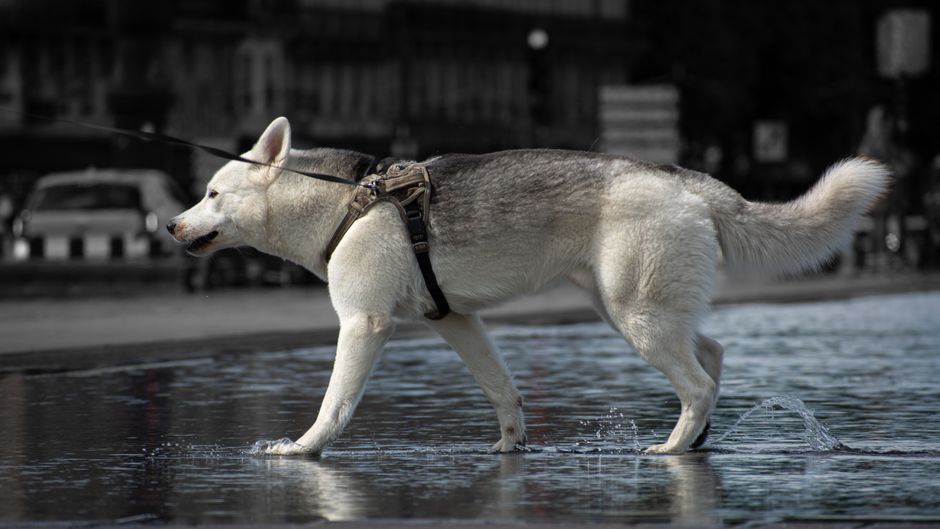
Many Siberian Husky owners are familiar with the comical sight of their dog dramatically avoiding puddles, refusing to step into a kiddie pool, or giving a betrayed look when caught in a drizzle. While it's a popular stereotype that huskies hate water, the reality is more nuanced. This comprehensive guide explores the reasons behind this common behavior, debunks myths, and provides practical advice for water interactions.
The Siberian Husky's Historical Relationship with Water
To understand why many huskies are water-averse, we must look at their origins. Bred by the Chukchi people of Siberia, huskies were developed as endurance sled dogs in an Arctic environment. Their entire physiology is optimized for cold, dry conditions, not aquatic activities.
A Coat Designed for Snow, Not Swimming
The husky's double coat is remarkable: a dense, woolly undercoat for insulation and a longer, water-resistant topcoat. However, water resistance is not waterproof. When a husky submerges, water can seep through the outer coat and become trapped in the undercoat, making the dog heavy, cold, and uncomfortable. Unlike Labrador Retrievers with oily, water-shedding coats, a husky's coat can become waterlogged, leading to rapid heat loss and discomfort.
Instinctual Behaviors from a Land-Based Breed
Huskies are cursorial hunters, built for running across frozen tundra. Their paws are compact with thick pads for traction on snow and ice, not for paddling. Historically, they rarely encountered deep water. Swimming was neither necessary nor beneficial for survival. Natural selection favored dogs that stayed on solid ground, so an innate wariness of water is not surprising.
Instinctual Aversion vs. Individual Personality
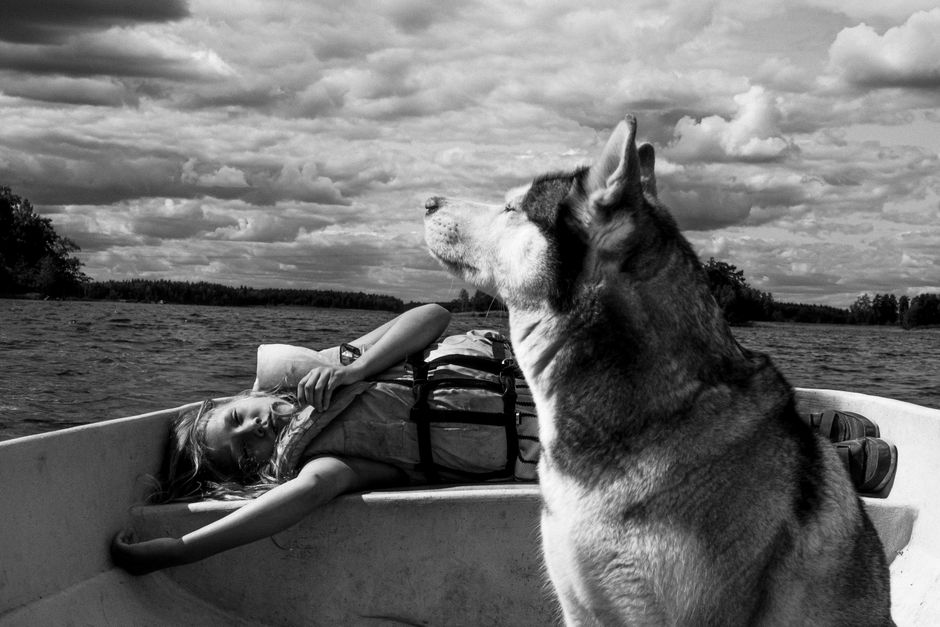
While the breed as a whole tends to be cautious around water, it's crucial to recognize individual variation. Some huskies adore swimming and will dive into lakes with abandon. Others will tolerate shallow streams but refuse ponds. And many will avoid water entirely. This spectrum is influenced by genetics, early experiences, and personality.

Top Reasons Huskies Dislike Water
1. Coat and Temperature Regulation
As mentioned, a wet coat compromises the husky's ability to regulate temperature. The undercoat holds moisture next to the skin, which can lead to chilling even on moderate days. Huskies have a high tolerance for cold but a low tolerance for being wet and cold. They may associate water with discomfort.
2. Unfamiliar and Unpleasant Sensations
Water on the paws, belly, and ears feels strange. The sensation of floating or losing footing can be disorienting. Many huskies are also sensitive about their paws; standing on slippery, wet surfaces may feel unstable.
3. Negative Early Experiences
A single bad experience – like being startled by a wave, slipping on a wet surface, or being forced into water – can create a lasting aversion. Puppies that haven't been gently introduced to water are more likely to become water-phobic adults.
4. Hearing and Sensitivity
Huskies have acute hearing, and the sound of splashing, rushing water, or rain can be unsettling. Some dogs are sensitive to the noise and unpredictability of moving water.
5. Independence and Stubbornness
Huskies are known for their independent, sometimes stubborn nature. If they decide they don't like something, they will resist with impressive determination. This is not necessarily fear but a strong preference.
How to Tell If Your Husky Hates Water
Recognizing your husky's feelings about water is important for respectful handling. Signs of dislike include:
- Refusing to approach puddles, pools, or bodies of water
- Shaking, trembling, or backing away from water sources
- Ears pinned back, tail tucked, excessive panting (stress signals)
- Jumping over or walking far around water
- Vocalizations (whining, barking) when near water
- Attempting to escape or pull away from you if you try to lead them into water
If your husky shows any of these behaviors, it's important for respect their boundaries. Forcing water exposure can damage trust and increase anxiety.
Tips for Introducing Your Husky to Water Safely
If you want to help your husky become more comfortable with water (for baths, rainy walks, or summer fun), follow these guidelines:
Start with Shallow, Still Water
Use a small paddling pool or a calm, shallow shore. Let your husky approach at their own pace. Never pick them up and carry them into water.
Positive Reinforcement
Bring high-value treats or a favorite toy. Reward any interaction with water, even just touching a paw. Clicker training can help mark and reward calm behavior.
Make It Fun and Gradual
Get in the water yourself and call them gently. Play with toys at the water's edge. Let them see you having fun. Some huskies are more willing if they see other dogs enjoying water.
Use a Life Jacket
A well-fitting dog life jacket provides buoyancy and confidence. It also gives you a handle to lift them if needed. Many huskies feel more secure with the extra support.
Never Force
Forcing a husky into water is counterproductive and can lead to fear or aggression. Respect their limit. If they are not interested, accept it.
Bath Time Alternatives
For bathing, consider dry shampoo or wipes if your husky hates water. Use a non-slip mat and warm water. Some huskies tolerate baths better if you offer treats throughout.
When a Husky Loving Water is Normal
Don't be alarmed if your husky is a water enthusiast. Some lines, especially those with recent outcrossing or individual variation, enjoy swimming. Water-loving huskies may have been positively socialized as puppies or simply have a different temperament. There is no breed standard that mandates water aversion.
If your husky loves water, let them enjoy it safely: supervise at all times, provide fresh drinking water to avoid ingesting pool or lake water, and rinse their coat afterward to remove chlorine, salt, or algae.
Common Water-Related Issues in Huskies
Even water-loving huskies have needs. Here are things to watch for:
| Issue | Prevention/Treatment |
|---|---|
| Ear infections | Dry ears thoroughly after swimming; use vet-recommended ear cleaner |
| Hot spots | Keep coat dry; if they get wet, towel dry and brush out |
| Water intoxication (hyponatremia) | Limit time in water; offer fresh water breaks; watch for lethargy |
| Coat matting | Brush before and after swimming; detangle wet fur gently |
Conclusion
So, do huskies hate water? The answer is not a simple yes. While many huskies are naturally wary of water due to their coat, history, and independent nature, others may learn to enjoy it with careful introduction. The key takeaway is to respect your individual dog's preferences. Forcing a water-averse husky to swim can cause stress and harm your bond. Instead, focus on positive, gradual exposure if desired, and provide alternative ways to cool off and have fun. Whether your husky is a land-lover or an occasional swimmer, understanding their behavior leads to a happier, healthier relationship.