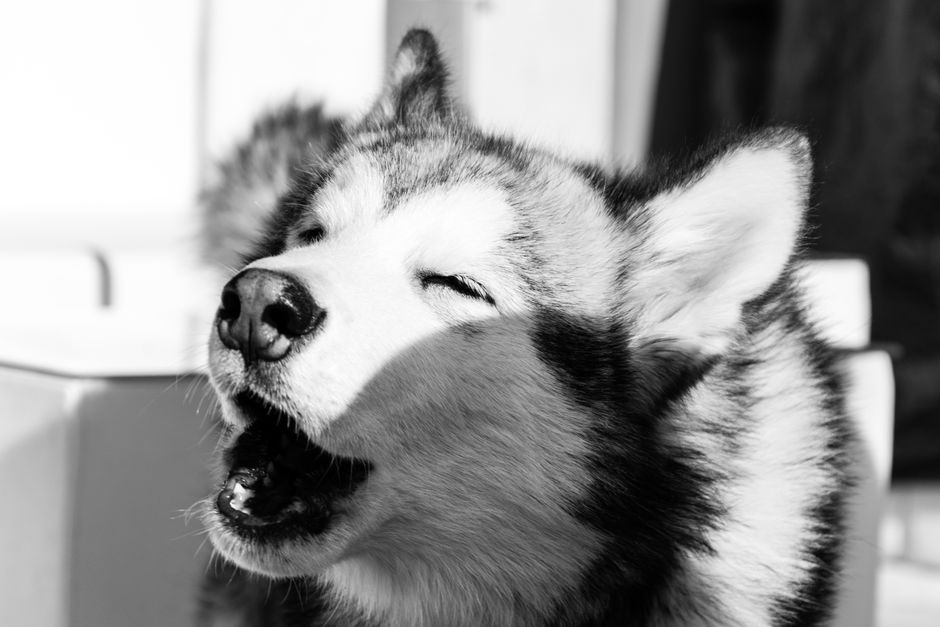
Why Is My Husky Whining Constantly? Understanding the Behavior
Siberian Huskies are known for their vocal nature, but constant whining can be a sign of an underlying issue. Unlike barking, whining is often a more subtle form of communication that can indicate anything from excitement to distress. In this guide, we'll explore the common reasons behind incessant whining and provide practical solutions to help you and your Husky find peace.

Top Reasons for Constant Whining in Huskies
1. Attention Seeking
Huskies are highly social dogs that crave interaction. If your Husky whines when you're busy, they may be trying to get your attention. This behavior is reinforced if you respond by giving them pets, treats, or even eye contact. To break the cycle, ignore the whining and reward quiet moments.
2. Boredom or Lack of Exercise
As working dogs, Huskies need plenty of physical and mental stimulation. A bored Husky will often whine to release pent-up energy. Ensure your dog gets at least 60-90 minutes of vigorous exercise daily, combined with puzzle toys, training sessions, or interactive games.
3. Separation Anxiety
Huskies can form strong bonds with their owners, making them prone to separation anxiety. Whining when you leave or before you depart is a common sign. Gradual desensitization, crate training, and leaving comfort items can help reduce anxiety-related whining.
4. Medical Issues
Constant whining can also indicate pain or discomfort. Check for signs of injury, dental problems, ear infections, or digestive issues. If the whining persists despite addressing behavioral factors, schedule a vet visit to rule out health problems.
5. Excitement or Anticipation
Huskies often whine when they're excited—before walks, meals, or playtime. This is normal but can become excessive. Teach your dog impulse control skills, such as sitting calmly before receiving a reward, to manage excitement whining.
How to Stop Your Husky from Whining Constantly
Step 1: Rule Out Medical Causes
Before starting behavior modification, consult your veterinarian to ensure your Husky isn't in pain. Once health issues are ruled out, you can focus on training.
Step 2: Meet Their Basic Needs
Ensure your Husky has adequate exercise, mental stimulation, food, water, and a comfortable environment. A tired Husky is a quiet Husky. Consider activities like:
- Daily runs or hikes
- Fetch or tug-of-war
- Puzzle toys (e.g., Kong filled with treats)
- Obedience training sessions (15 minutes daily)
- Dog sports like agility or bikejoring
Step 3: Implement Ignoring and Rewarding
When your Husky whines for attention, completely ignore them—no eye contact, no talking, no touching. Once they stop whining, even for a second, immediately reward with praise or a treat. Gradually increase the duration of silence before giving a reward.
Step 4: Teach the “Quiet” Command
Train your Husky to be quiet on cue. Start by saying “Quiet” in a calm, firm voice when they whine. If they stop, reward. Repeat until they associate the word with stopping whining. Practice in low-distraction environments first.
Step 5: Create a Calming Environment
If your Husky whines due to anxiety, provide a safe space like a crate with soft bedding and familiar toys. Use calming aids such as pheromone diffusers, calming music, or anxiety wraps. Gradually increase alone time to build confidence.
When to Seek Professional Help
If your Husky's whining is accompanied by other behaviors like destructive chewing, excessive pacing, or aggression, consult a certified dog trainer or animal behaviorist. Separation anxiety and deep-seated fears often require personalized behavioral modification plans.
Common Mistakes Owners Make
| Mistake | Why It’s Problematic |
|---|---|
| Giving in to whining | Reinforces the behavior, making it worse. |
| Using punishment or yelling | Increases anxiety and can lead to more whining or fear. |
| Not providing enough exercise | Leaves energy that fuels whining and other problematic behaviors. |
| Inconsistent training | Confuses the dog and slows progress. |
How to Prevent Future Whining
- Establish a daily routine for feeding, walks, and training.
- Socialize your Husky early to reduce anxiety in new situations.
- Keep them mentally engaged with new tricks and toys.
- Monitor for signs of stress and address them proactively.
Final Thoughts
Constant whining is a common challenge for Husky owners, but with patience, consistency, and understanding of their needs, you can significantly reduce this behavior. some vocalization is natural for the breed—aim for reduction, not elimination. If you suspect medical or severe behavioral issues, don’t hesitate to consult your vet or a professional trainer.