Understanding Why Your Husky Paces Around the House
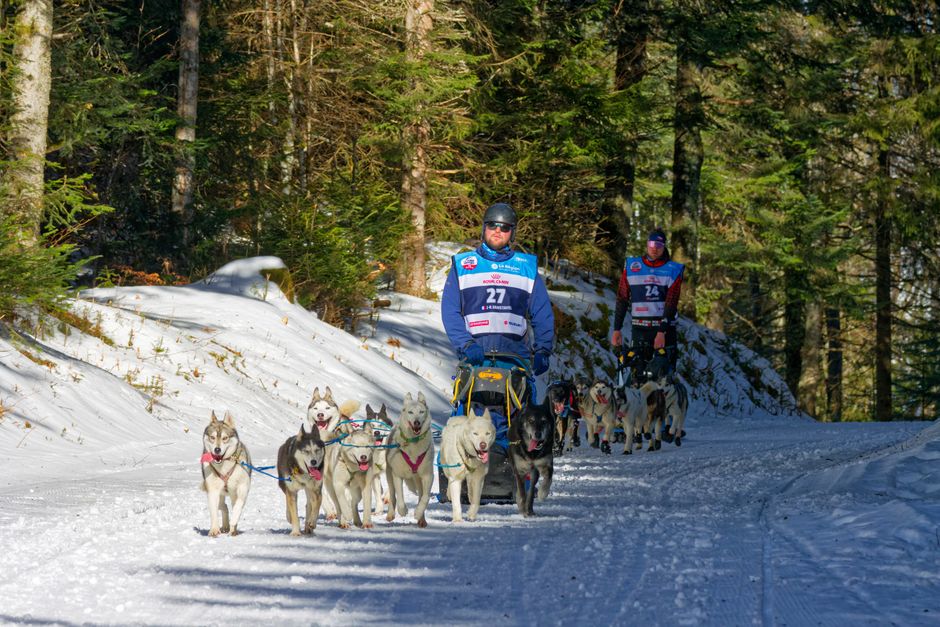
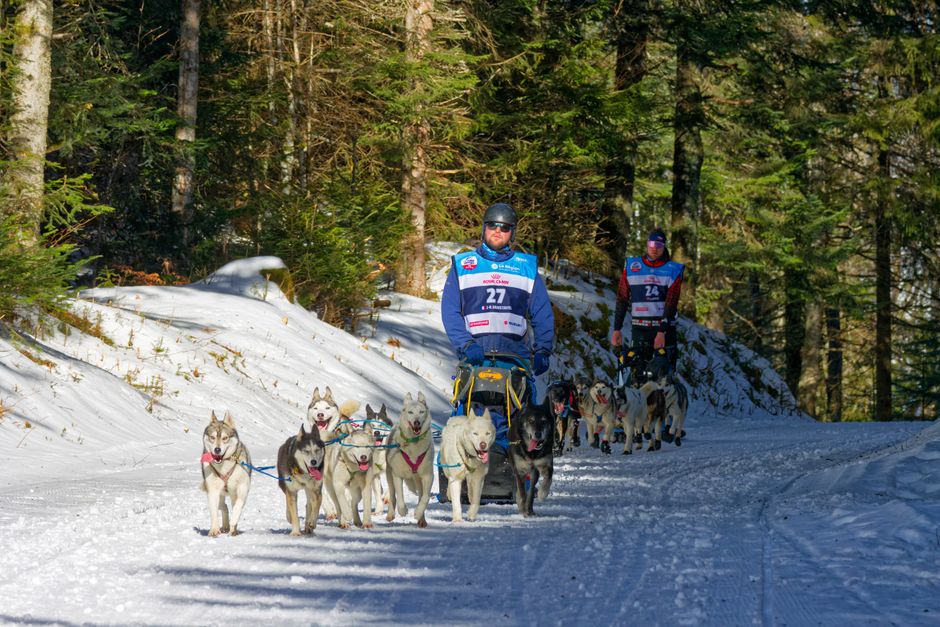
Pacing is a repetitive, back-and-forth movement that many Siberian Huskies exhibit around the home. While occasional pacing can be normal, constant or compulsive pacing often signals an underlying issue related to their breed-specific needs, health, or environment. As a high-energy, intelligent working breed originally bred to pull sleds over long distances, Huskies require ample physical and mental stimulation. When those needs aren't met, they may develop pacing as an outlet for pent-up energy or anxiety. This guide explores the common reasons for pacing in Huskies and provides actionable solutions to help your dog find calm and contentment.
Common Causes of Pacing in Siberian Huskies
1. Lack of Exercise and Mental Stimulation
Huskies are built for endurance. Without sufficient daily exercise—ideally at least one to two hours of vigorous activity—they can become restless and bored. Pacing often serves as a self-soothing mechanism or a way to burn off excess energy. Inadequate mental stimulation, such as puzzle toys or training sessions, can also lead to repetitive behaviors like pacing.
2. Anxiety and Stress
Separation anxiety is common in Huskies due to their pack-oriented nature. When left alone for long periods, they may pace near doors or windows. Other stressors include loud noises (thunder, fireworks), changes in routine, or a new pet or family member. Pacing can be a coping mechanism for nervous energy.
3. Medical Issues
Health problems can cause restlessness and pacing. Conditions such as arthritis, hip dysplasia, digestive discomfort, or neurological disorders can manifest as pacing. If your Husky’s pacing is sudden, persistent, or accompanied by other symptoms like whining, limping, or changes in appetite, consult a veterinarian immediately.
4. Maternal or Hormonal Reasons
Female Huskies in heat may pace due to hormonal changes. Unspayed females often exhibit nesting behaviors or restlessness. Male dogs may pace when they sense a female in heat nearby.
5. Age-Related Cognitive Decline
Senior Huskies can suffer from Canine Cognitive Dysfunction (CCD), similar to Alzheimer’s in humans. Pacing, especially at night, confusion, and changes in sleep patterns are common signs. Veterinary guidance is important for managing CCD.
How to Stop Your Husky from Pacing: Practical Solutions
Increase Physical Exercise
A tired Husky is a calm Husky. Aim for:
- At least 60 minutes of brisk walking or jogging daily.
- Off-leash running in a secure, fenced area.
- Interactive play like fetch, tug-of-war, or flirt pole.
- Consider dog sports: agility, bikejoring, or canicross.
Provide Mental Enrichment
Stimulate your Husky’s intelligent mind:
- Puzzle toys (e.g., KONG filled with frozen peanut butter).
- Snuffle mats for foraging.
- Obedience training with new tricks.
- Nose work games (hide treats around the house).
- Rotate toys to maintain novelty.
Create a Calming Environment
Reduce anxiety triggers:
- Use pheromone diffusers (Adaptil) or calming music.
- Provide a cozy den-like crate for a safe space.
- Maintain a consistent daily routine.
- If separation anxiety is suspected, practice short departures and use positive reinforcement.
Address Potential Medical Issues
Schedule a vet check-up if pacing persists after making environmental changes. Blood work, X-rays, or neurological exams can rule out underlying conditions. For older dogs, discuss CCD treatments like selegiline or supplements.
Behavioral Modification Techniques
Teach an alternative behavior:
- When your Husky starts pacing, redirect to a calming activity (e.g., “lie down” on a mat).
- Reward calm behavior with treats and praise.
- Avoid scolding; pacing often stems from anxiety, and punishment can worsen it.
- Consider consulting a certified dog behaviorist for severe cases.
Sample Daily Routine for a Husky Prone to Pacing
| Time | Activity |
|---|---|
| 7:00 AM | 30-45 min walk or jog |
| 8:00 AM | Breakfast in a puzzle toy |
| 9:00 AM - 12:00 PM | Quiet time (crate or bed with chew toy) |
| 12:00 PM | 15 min training session |
| 1:00 PM - 4:00 PM | Interactive toy or sniffing game |
| 5:00 PM | 30 min vigorous play (fetch, running) |
| 6:00 PM | Dinner |
| 7:00 PM - 9:00 PM | Relaxation with calming music |
| 9:00 PM | Short potty break, then bedtime |
Adjust based on your dog’s age and energy level. The key is to provide structured outlets for physical and mental energy before pacing starts.
When to Seek Professional Help
If your Husky’s pacing is frequent, intense, or accompanied by destructive behavior, self-harm, or aggression, consult a veterinarian or a certified applied animal behaviorist. Also seek immediate help if pacing is coupled with:
- Excessive panting or drooling
- Loss of appetite
- Pacing in circles (may indicate a neurological issue)
- Inability to settle or sleep
Early intervention can prevent the behavior from becoming a compulsive disorder.
Conclusion
Pacing in Siberian Huskies is often a cry for help—a sign that their physical, mental, or emotional needs aren’t fully met. By understanding the root cause and implementing a combination of increased exercise, mental enrichment, routine, and veterinary care, you can help your Husky stop pacing and enjoy a more relaxed life. Remember, a well-exercised and mentally stimulated Husky is a happy, peaceful companion. If you’ve tried these strategies without success, don’t hesitate to reach out to a professional.