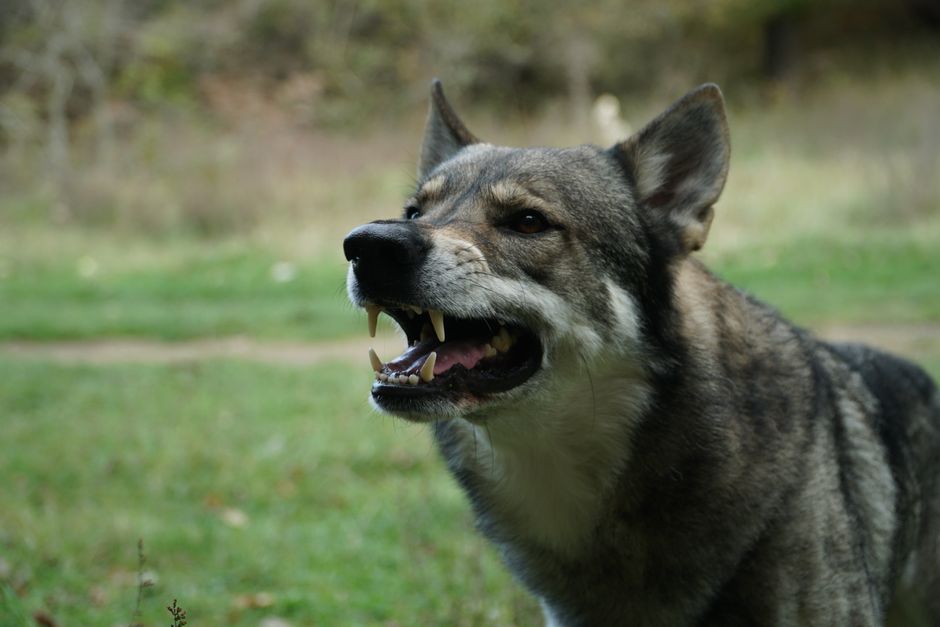
Understanding Why Your Husky Growls at You
Huskies are known for their vocal nature, but growling can be concerning. Growling is a form of communication—not necessarily aggression. Your husky might be trying to tell you something. Understanding the context is key to addressing the behavior effectively.
Common Reasons for Growling
- Fear or Anxiety: Sudden movements, loud noises, or unfamiliar situations can trigger a fearful growl.
- Resource Guarding: Protectiveness over food, toys, or even a favorite resting spot.
- Pain or Discomfort: If your husky is injured or ill, touching a sore spot may elicit a growl.
- Possessiveness: Similar to resource guarding but may extend to people or attention.
- Play Overexcitement: High-energy play can sometimes escalate into growling, but it’s usually playful.
- Warning Signs: Growling can be a precursor to a bite if the dog feels threatened.
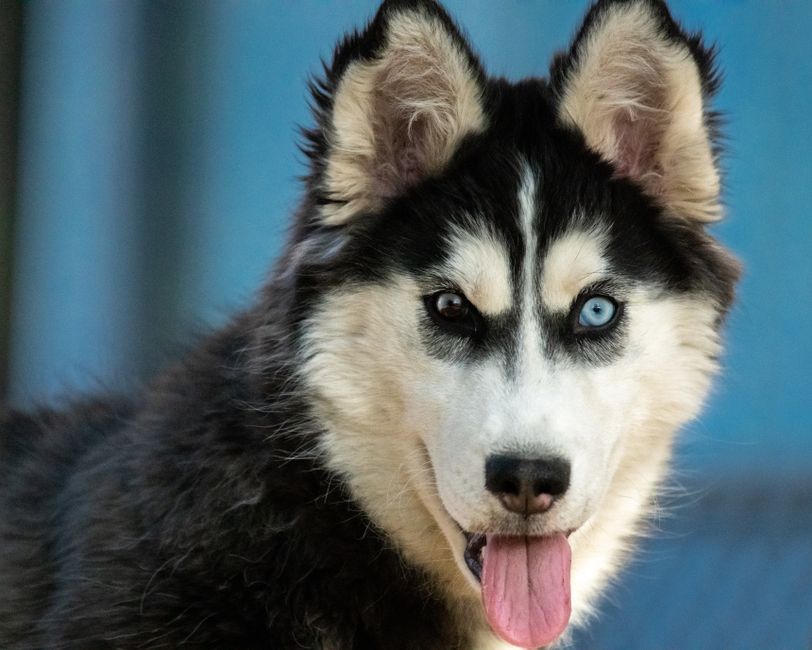
Interpreting the Different Types of Growls
Not all growls are the same. Huskies produce various vocalizations. Here’s a guide to help you decode them:
| Growl Type | Sound Description | Body Language | What It Means |
|---|---|---|---|
| Playful Growl | Low-pitched, rhythmic, often accompanied by barks | Play bow, wagging tail, relaxed posture | Excited, wants to play |
| Warning Growl | Deep, rumbling, sustained | Stiff body, ears back, showing teeth | Back off, I’m uncomfortable |
| Fearful Growl | High-pitched, intermittent | Cowering, tail tucked, whale eye | Scared, trying to avoid confrontation |
| Resource Guarding Growl | Low growl that intensifies if approached | Head lowered over the item, tense jaw | This is mine, don’t take it |
| Pain-Induced Growl | Sudden, sharp, followed by flinching | Reaction when touched, licking or biting area | That hurts, stop |
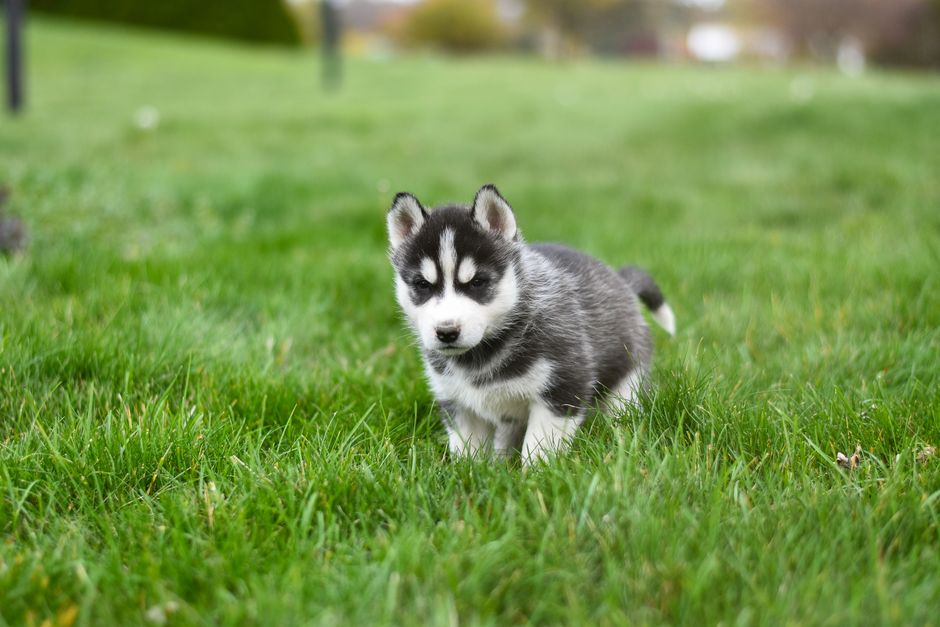
How to Respond When Your Husky Growls at You
Never punish a growl. Punishment can suppress the warning, leading to a bite without warning. Instead, follow these steps:
- Stop what you’re doing. Assess the situation.
- Give space. Step back to reduce pressure.
- Identify the trigger. Is it a toy, your approach, or something else?
- Remove the stressor if possible. For resource guarding, trade with a treat.
- Consult a professional. If growling persists, seek a certified behaviorist.
Training Tips to Reduce Growling
Positive reinforcement training can help address underlying issues. Here are some techniques:
- Desensitization and Counterconditioning: Gradually expose your husky to triggers at a low intensity while rewarding calm behavior.
- Trade-Up Games: Teach your dog that giving up an item results in something better. Start with low-value items and progress.
- Impulse Control Exercises: Practice “leave it,” “drop it,” and “wait” to build self-control.
- Build Trust: Spend quality time with your husky, using gentle handling and positive interactions.
When to Worry About Growling
While growling is normal, certain signs indicate a deeper problem:
- Growling at family members frequently.
- Growling directed at children.
- Growling accompanied by snapping, lunging, or biting.
- Sudden onset of growling in an older dog (possible medical issue).
- Diet or sleep changes along with growling.
In these cases, consult your veterinarian to rule out pain or illness, and then a certified dog behaviorist.
Expert Tips for Managing Husky Behavior
Understanding husky behavior requires patience and consistency. These dogs were bred to run long distances and make independent decisions, which means behaviors that seem "stubborn" or "dramatic" are often just normal husky traits expressing themselves. Here are universal strategies that work across most behavioral issues:
- Exercise comes first. A tired husky is a well-behaved husky. Before any training session, provide at least 45-60 minutes of vigorous exercise. Mental stimulation (puzzle toys, scent work, obedience drills) tires them out faster than physical exercise alone.
- Never punish a husky for instinctive behavior. Howling, digging, and running are hardwired traits. Punishment damages trust without solving the underlying need. Redirect the energy instead.
- Positive reinforcement wins every time. Huskies shut down under harsh corrections. Use high-value treats (freeze-dried liver, cheese, boiled chicken) and celebrate every small success.
- Be more interesting than the distraction. If your husky ignores your recall command, the problem isn't disobedience—it's that you haven't built enough reinforcement history for that command in that environment.
Why Huskies Act This Way: The Breed Background
The Siberian Husky was developed by the Chukchi people of northeastern Siberia over 3,000 years ago. These dogs were expected to pull sleds for miles in brutal conditions, make split-second decisions on dangerous ice, and survive on minimal food. They slept with the family in warm tents and were treated as members of the household. This history created a dog that is:
- Highly independent — they had to make decisions without human guidance on the trail
- Extremely social — they lived in packs and with human families, making isolation unbearable
- Vocal communicators — howling, whining, and "talking" kept the pack coordinated across distances
- Escape artists — a dog that could find its way home across frozen tundra has exceptional navigation and problem-solving abilities
When you see your husky "misbehaving," you're watching thousands of years of selective breeding expressing itself in a modern living room. The goal isn't to suppress these traits—it's to channel them productively.
When to Consult a Professional
While most husky behaviors are manageable with consistent training, certain situations call for professional help:
- Aggression that escalates beyond resource guarding or fear-based reactions
- Self-harming behaviors (excessive paw licking, tail chasing that causes injury)
- Sudden behavior changes in an adult dog, which may indicate an underlying medical issue
- Separation anxiety severe enough to cause property destruction or self-injury
A certified applied animal behaviorist (CAAB) or a veterinary behaviorist (DACVB) can assess whether the behavior has a medical component and design a customized modification plan.
Conclusion
Your husky’s growl is a valuable communication tool. By learning to interpret it and responding with patience and training, you can strengthen your bond and prevent escalation. Remember, a growl is not defiance—it’s a request for understanding.
Real Owner Experiences: What Works and What Doesn't
Husky owners around the world have tried countless approaches to managing breed-specific behaviors. Here is what experienced owners consistently report as effective, based on surveys from Siberian Husky owner communities and forums:
The Exercise-Behavior Connection
Owners overwhelmingly report a direct correlation between exercise and behavior. One owner in a survey of 500+ husky households noted: "My husky destroyed two sofas, a door frame, and an entire section of drywall in her first year. Once I committed to 90 minutes of off-leash running daily (at a secure dog park), the destruction stopped within two weeks. It wasn't a training problem—it was an energy outlet problem." Another owner shared: "I tried every spray, deterrent, and correction for digging. Nothing worked. Then I started bikejoring with her three times a week. The digging disappeared. She wasn't being bad—she was telling me she needed to RUN."
Managing Vocalization
Owners of particularly vocal huskies report these strategies: White noise machines during the day to mask triggering sounds (sirens, neighborhood dogs). Scheduled "howl sessions"—5 minutes where you actively howl with your husky, then use a cue word to end the session. Puzzle toys and frozen Kongs during trigger times (early morning, when neighbors are most likely to complain). One owner from an apartment complex shared: "We taught our husky to 'whisper'—a soft woo sound instead of a full howl. It took about three weeks of shaping, but now she 'whispers' when she wants something instead of screaming the house down."
When Behavior Indicates a Medical Problem
Before addressing any behavior problem, rule out medical causes. Sudden aggression, house soiling in a previously trained dog, destructive behavior that appears anxiety-driven, or vocalization that sounds distressed rather than communicative can all indicate pain or illness. Common medical causes of behavior changes in huskies include: Hypothyroidism (lethargy, aggression, skin issues), dental pain (reluctance to eat, mouth sensitivity), arthritis (reluctance to exercise, irritability when touched), urinary tract infections (house soiling), and neurological issues (sudden behavior changes, seizures). A thorough veterinary exam, including blood work for senior dogs, should always precede a behavior modification plan for new or escalating problems.
Resources for Husky Behavior Support
- Certified Applied Animal Behaviorists (CAAB): Animal Behavior Society directory
- Veterinary Behaviorists (DACVB): American College of Veterinary Behaviorists
- Online training resources: Kikopup (positive reinforcement, free YouTube), SpiritDog Training (husky-specific online courses), Fenzi Dog Sports Academy (online classes from world-class trainers)
- Books: "When Pigs Fly: Training Success with Impossible Dogs" by Jane Killion (perfect for independent breeds), "The Other End of the Leash" by Patricia McConnell (understanding dog-human communication)
- Facebook groups: "Husky Huddle & Malamute Mingle" (300K+ members, active community support), "Positive Husky Training" (force-free training focus)
Scientific Background and Research
Understanding the science behind husky care helps owners make informed decisions rather than following trends or myths. Here is what peer-reviewed veterinary research tells us about caring for Siberian Huskies:
- Exercise physiology: A 2020 study published in the Journal of Veterinary Internal Medicine examined the metabolic adaptations of sled dogs, finding that huskies can burn up to 12,000 calories per day during peak working conditions—roughly 8 times their resting metabolic rate. This extreme metabolic flexibility is unique among dog breeds and explains why pet huskies with inadequate exercise often develop behavioral problems—their bodies are primed for work that never comes.
- Cold adaptation: Research from the University of Alaska Fairbanks documented that Siberian Huskies can maintain core body temperature at ambient temperatures as low as -60°F (-51°C) through a combination of their double coat, countercurrent heat exchange in their paws, and metabolic heat production. This adaptation means huskies are far more comfortable in cold than most owners realize—and conversely, they struggle more in heat than many realize.
- Genetic diversity: A 2015 study in PLOS Genetics analyzing the genomes of 161 dog breeds found that Siberian Huskies retain more ancestral genetic diversity than most modern breeds, sharing more DNA with the 35,000-year-old Taimyr wolf than breeds like German Shepherds or Golden Retrievers. This genetic heritage may explain many breed-specific traits, including their independence, problem-solving ability, and strong prey drive.
- Coat genetics: The distinctive husky coat is controlled by multiple genes, including MC1R (red/yellow pigment), ASIP (agouti banding), and MITF (white spotting). A 2018 study by Embark Veterinary identified the genetic basis for blue eyes in huskies as a duplication near the ALX4 gene on chromosome 18—a mutation absent in most other blue-eyed breeds.
Step-by-Step Action Plan
Use this practical, evidence-based approach to apply the information in this guide:
- Week 1: Assessment. Evaluate your husky's current situation objectively. Write down what is working and what is not. Track symptoms, behaviors, or feeding patterns for at least 7 days before making changes. Use a journal or phone notes to record observations.
- Week 2: Baseline. Establish a consistent routine before introducing changes. Same feeding times, same exercise schedule, same training protocols. You cannot measure improvement without a stable baseline.
- Week 3-4: Implement one change at a time. Whether it is a new diet, a new training method, or a new supplement, change only ONE variable. Changing multiple things simultaneously makes it impossible to know what helped or hurt.
- Week 5-6: Evaluate results. Compare your husky's condition or behavior to the baseline. Are things improving, staying the same, or getting worse? Document objectively—photos, videos, and notes are more reliable than memory.
- Week 7-8: Adjust or continue. If improvement is seen, stay the course. If not, adjust ONE variable and repeat the evaluation cycle. If problems persist or worsen, consult your veterinarian with your documented observations—this information is invaluable for diagnosis.
Warning Signs: When to Seek Immediate Help
While many husky care issues can be managed at home with proper knowledge, certain signs demand professional intervention—today, not next week:
- Any sudden behavior change, especially in an adult dog (possible neurological issue, pain, or illness)
- Loss of appetite for more than 48 hours (huskies are self-regulating eaters, but prolonged refusal is abnormal)
- Diarrhea combined with vomiting (rapid dehydration risk)
- Blood in stool or vomit
- Pale or blue-tinged gums (emergency—indicates poor oxygenation or blood loss)
- Distended, hard abdomen with unproductive retching (possible bloat—immediate emergency)
- Any eye issue involving cloudiness, squinting, discharge, or visible third eyelid—eye problems in huskies can progress from minor to blinding within 24-48 hours
- Limping that persists more than 48 hours or any non-weight-bearing lameness
- Seizures, collapse, or loss of consciousness
- Difficulty breathing, excessive panting without exercise, or respiratory distress
Cost Considerations and Budgeting
Responsible husky ownership requires financial preparation. Here is a realistic breakdown of costs associated with the topics covered in this guide:
- Prevention is cheaper than treatment. Annual checkups ($200-400), quality food ($400-600/year), and preventatives ($200-400/year) cost far less than treating advanced disease. A single emergency surgery (foreign body removal: $1,500-4,000; GDV surgery: $3,000-6,000) costs more than 5-10 years of preventive care.
- Training investment pays lifelong dividends. A 6-week group training class ($150-300) prevents behavioral problems that would cost thousands in property damage, professional behaviorist fees, or—worst case—surrender to a shelter.
- Equipment quality matters. Spending $50 on a durable harness that lasts 3 years is cheaper than replacing a $20 harness every 6 months. Investing in a high-quality crate prevents escape-related injuries and destruction.
- Insurance or savings? Pet insurance ($35-60/month) provides predictable costs for unpredictable events. Alternatively, setting aside $50-100/month in a dedicated pet emergency fund builds a safety net. Either approach is valid—having neither is not.
- Budget for the unexpected. Even with insurance or savings, budget for deductibles ($250-500/incident), co-pays (10-20%), and items insurance does not cover (pre-existing conditions, preventive care on some plans, prescription food).
Additional Resources and Continuing Education
Staying informed is one of the best things you can do for your husky. Recommended resources:
- Veterinary resources: Veterinary Partner (veterinarypartner.vin.com)—vet-reviewed articles on hundreds of conditions. American Kennel Club Canine Health Foundation (akcchf.org)—research updates on breed-specific health issues.
- Training and behavior: American Veterinary Society of Animal Behavior (avsab.org)—position statements on training methods backed by science. Fear Free Pets (fearfreepets.com)—certification program for low-stress handling, with resources for owners.
- Breed community: Siberian Husky Club of America (shca.org)—the AKC parent club, with breeder referrals and health information. Local husky meetup groups—find them on Meetup.com or Facebook. Shared experiences with local owners are invaluable.
- Nutrition: Tufts University Petfoodology (vetnutrition.tufts.edu)—evidence-based pet nutrition information from board-certified veterinary nutritionists. World Small Animal Veterinary Association (wsava.org)—global nutrition guidelines.
- Emergency preparedness: ASPCA Animal Poison Control (888-426-4435)—save this number in your phone. Pet Poison Helpline (855-764-7661)—alternative poison control. Know the location and phone number of your nearest 24-hour emergency veterinary hospital.
FAQ
How do I know if I am doing enough for my husky?
Signs you are meeting your husky's needs: healthy weight with visible waist and palpable ribs; minimal destructive behavior; willingness to engage in training; relaxed body language at home; consistent appetite and normal stools; good coat condition without excessive shedding or skin issues. If you are checking off most of these, you are likely doing a great job. Huskies that are under-exercised, under-stimulated, or nutritionally deprived will show you—through behavior, coat condition, and overall demeanor.
What is the single most important thing I can do for my husky's health and happiness?
Consistency. Consistent exercise. Consistent training. Consistent feeding. Consistent veterinary care. Huskies thrive on routine and predictability. When their physical and mental needs are met consistently, most behavioral and health problems either never develop or are far easier to manage. The husky owners who struggle the most are usually those with inconsistent schedules, rules, and attention. The ones who thrive have made their husky's needs a consistent, non-negotiable part of their daily lives.
Editor's Note
Our team has a rule we tell every new owner: never punish the alert, redirect it. Huskies who learn that howling gets them ignored will escalate to destruction. Acknowledge the behavior, then guide them to a better outlet, and the worst habits never take root.
Sources & Further Reading
HuskySpot researches each topic against recognized breed and veterinary authorities. The following organizations inform our content: