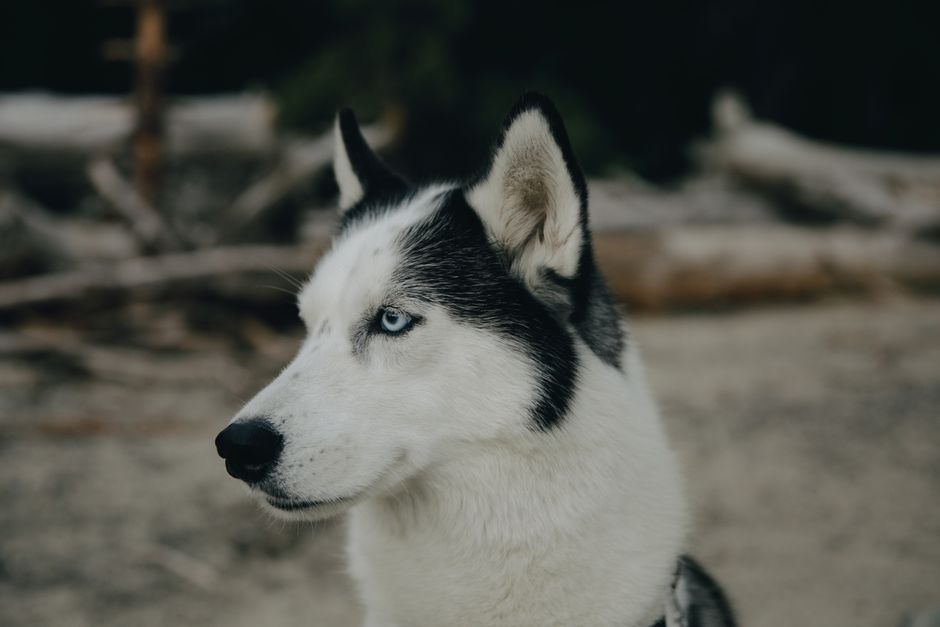
Understanding Why Your Husky Is Scared of Strangers
Siberian Huskies are known for their friendly, outgoing nature, but some develop a fear of strangers. This can stem from multiple factors: lack of early socialization during the critical puppy period (up to 16 weeks), a traumatic encounter with an unfamiliar person, or even genetics. Huskies are pack animals and may be naturally wary of those outside their social circle. Fear periods (typically at 8-11 weeks and 6-14 months) can also trigger heightened anxiety. Understanding the root cause is the first step to helping your husky feel safe.
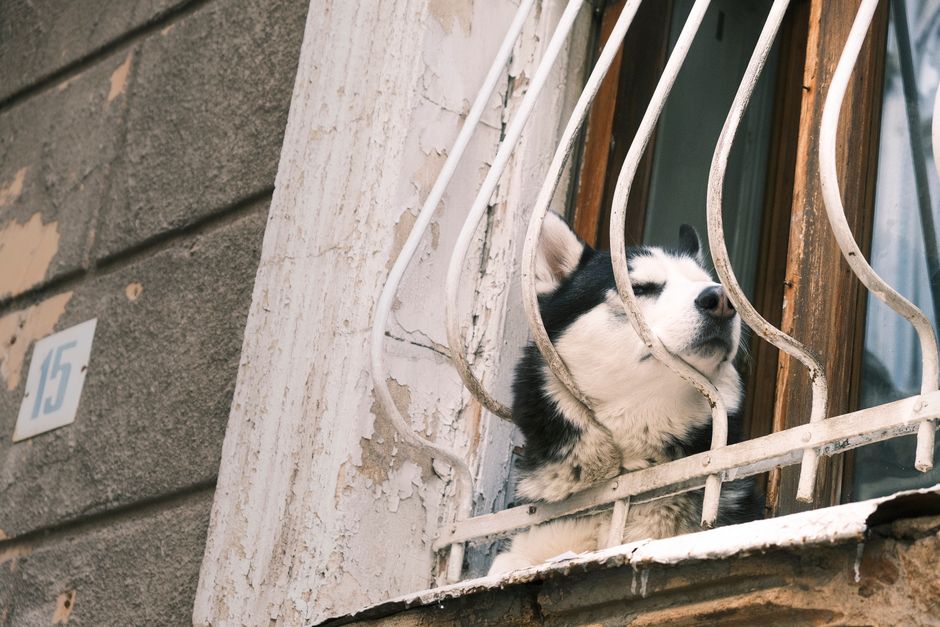
Signs Your Husky is Fearful of Strangers
Recognizing fear signals is crucial. Common signs include:
- Hiding behind you or under furniture
- Barking, growling, or lunging when someone approaches
- Whale eye (showing the whites of the eyes)
- Tucked tail, ears pinned back, body tense
- Excessive panting or yawning (stress signs)
- Refusing treats or retreating to a safe space
If your husky displays any of these, avoid punishment—it can worsen fear. Instead, note the triggers (e.g., men with hats, children, or loud voices) to tailor your approach.
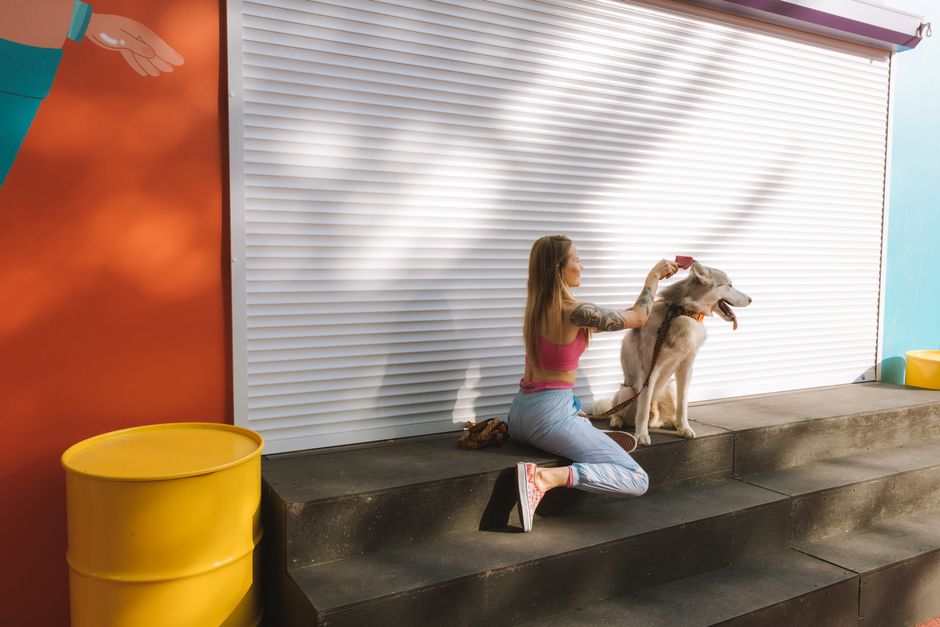
Step-by-Step Guide to Help Your Husky Overcome Fear
Start with Distance and Desensitization
Begin by identifying your husky's threshold: the distance at which they notice a stranger but don't react fearfully. From this distance, pair the stranger's presence with high-value treats (e.g., chicken, cheese). Gradually decrease the distance over multiple sessions, never forcing closer contact. This counter-conditioning changes the emotional response from fear to anticipation of good things.
Use Positive Reinforcement
Every time your husky remains calm around a stranger, reward with treats, praise, or play. The stranger can also toss treats (from a safe distance) to build positive associations. Take it snail-slow: if your husky shows any stress, increase distance again. Consistency and patience are key; progress may take weeks or months.
Controlled Introductions
Once your husky is comfortable at a distance, arrange structured meet-and-greets. Use a front clip harness or head collar for better control. Ask the stranger to ignore your dog initially, avoid direct eye contact, and offer a treat to the side. Keep interactions short (30 seconds), then reward and move away. Gradually increase duration and proximity.
Build a ‘Safe Space’
Provide a crate or bed in a quiet area where your husky can retreat when overwhelmed. Never allow strangers to access this space. Teach a “go to mat” cue to help them feel secure. This gives your husky control over the situation, reducing overall anxiety.
Common Mistakes to Avoid
- Forcing interaction: Pushing your husky to greet strangers can backfire, cementing fear. Always let them approach at their own pace.
- Punishment: Yelling or correcting fearful behavior increases stress and may cause aggression. Never punish growling—it’s a warning that prevents bites.
- Over-coddling: While reassurance is okay, excessive petting and baby talk can reinforce fear. Stay calm and neutral.
- Flooding: Exposing the dog to the full fear trigger without escape is traumatic. Always respect their comfort zone.
When to Seek Professional Help
If your husky's fear is severe (e.g., aggression, freezing, or frantic attempts to flee) or doesn't improve after consistent training, consult a certified professional dog trainer or veterinary behaviorist. They may recommend behavior modification protocols or, in rare cases, anti-anxiety medication. Early intervention is critical to prevent escalation.
Long-Term Management and Maintenance
Even after improvement, continue regular, positive exposure to new people. Enroll in a “stranger-friendly” class or arrange visits with calm, dog-savvy friends. Keep experiences short and sweet. Maintain a predictable routine to reduce overall stress. Remember: a fearful husky can become a confident one with time, trust, and the right techniques.
Frequently Asked Questions
Can a husky’s fear of strangers be cured?
While complete “cure” isn’t guaranteed, most dogs can significantly improve with dedicated counter-conditioning. Some may always be cautious but learn to tolerate or even welcome strangers.
At what age is it hardest to change this behavior?
Adolescence (6-18 months) is often the most challenging due to hormonal changes and potential reinforcement of fears. However, older dogs can still learn—it just takes more repetition.
Should I use a muzzle for safety?
If your husky has bitten or shows intense fear-related aggression, muzzle training is wise. Always pair with positive reinforcement so the muzzle is not a punishment.
With patience, empathy, and the strategies above, you can help your Siberian Husky feel more at ease around strangers—strengthening your bond and their quality of life.