If your Siberian Husky, known for its friendly and outgoing nature, suddenly becomes aggressive, it can be alarming and confusing. Aggression in Huskies is not typical, but when it appears abruptly, it often signals an underlying issue that needs immediate attention. This comprehensive guide explores the possible causes of sudden aggression in Huskies, provides practical steps to address it, and helps you restore harmony in your home.
Understanding Sudden Aggression in Huskies
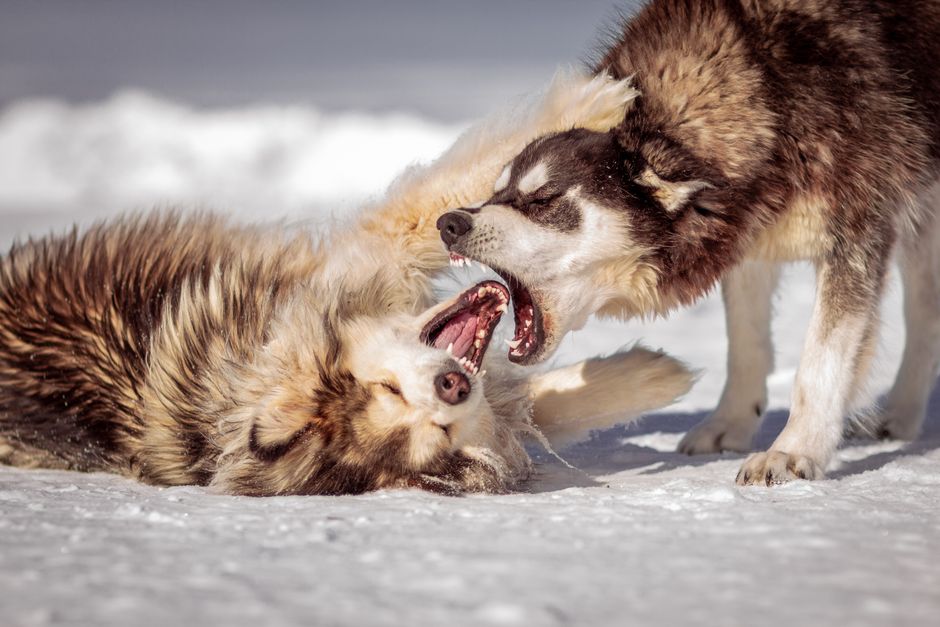
Sudden aggression is a dramatic change in behavior where a normally gentle Husky growls, snaps, bites, or shows other aggressive behaviors without obvious provocation. Unlike gradual aggression, which may be linked to training or socialization gaps, sudden aggression often points to medical or environmental triggers. Understanding this difference is crucial to finding the right solution.
Common Causes of Sudden Aggression
Medical Issues
Pain is one of the most common reasons for sudden aggression. Conditions like hip dysplasia, dental disease, ear infections, or arthritis can make your Husky irritable. Even hidden internal issues like thyroid imbalances or neurological problems can trigger aggression. A veterinary checkup should always be your first step.
Fear or Anxiety
A sudden fearful event (like a loud noise, a new person, or a traumatic experience) can cause your Husky to react aggressively. Huskies are sensitive dogs, and prolonged stress or anxiety can lower their threshold for aggression. Look for signs like trembling, hiding, or excessive panting.
Resource Guarding
Your Husky may suddenly guard food, toys, or even a resting spot. This instinct can intensify if the dog feels insecure or if there is competition from other pets. Identify if the aggression occurs around specific items.
Territorial Behavior
Huskies can be protective of their home and family. A new person, pet, or even rearranged furniture can trigger territorial aggression. This often appears as barking, lunging, or snarling when someone approaches the house.
Redirested Aggression
If your Husky is aroused by something (like seeing another dog through the window) and you intervene, the dog may redirect aggression toward you. This is typically a misdirected response, not directed malice.
Signs to Watch For
| Behavior | Description |
|---|---|
| Growling | Low or high-pitched growling, often accompanied by a stiff body |
| Snapping | Quick bite attempts without contact or with warning |
| Lunging | Sudden forward movement toward a person or animal |
| Hard Stare | Intense fixed gaze, often with a frozen posture |
| Raised Hackles | Hair on the back standing up, indicating arousal or fear |
What to Do When Your Husky Suddenly Becomes Aggressive
- Stay Calm – Aggression can be scary, but yelling or punishing may worsen it. Speak softly and avoid direct eye contact.
- Remove Triggers – If possible, take your Husky away from the situation. Use a calm voice and lead them to a quiet room.
- Safety First – Confine the dog in a safe space (crate or separate room) until they calm down. Use barriers if needed.
- Schedule a Vet Visit – Rule out pain or medical issues. Request a full blood panel and physical exam.
- Keep a Behavior Journal – Note when, where, and what happened before aggression. This helps identify patterns for a trainer or behaviorist.
- Consult a Professional – If aggression continues, seek help from a certified dog behaviorist or trainer experienced with huskies.
When to Seek Professional Help
If your Husky’s aggression is severe (multiple bites, escalating intensity) or if you cannot safely manage the dog, seek professional help immediately. Warning signs include: aggression toward family members, resource guarding that leads to biting, or aggression that does not improve with basic management. A veterinarian or a board-certified veterinary behaviorist can create a tailored plan including medication if needed.
Prevention Tips
- Socialize Early and Often – Expose your Husky to different people, animals, and environments in a positive way.
- Positive Reinforcement Training – Use treats and praise to build trust and teach cues like “leave it” and “settle.”
- Respect Their Space – Avoid disturbing them when eating, sleeping, or chewing a valued toy.
- Provide Mental and Physical Exercise – A tired Husky is less likely to become aggressive. Aim for at least an hour of vigorous exercise daily.
- Regular Vet Checkups – Early detection of medical issues prevents pain-related aggression.
Sudden aggression in your Husky is a sign that something is wrong—not that your dog is “bad.” With patience, professional guidance, and a systematic approach, you can address the root cause and rebuild a peaceful relationship. Remember, your Husky’s well-being depends on your understanding and action.