If you're a Siberian Husky owner, you've likely encountered the frustrating scenario where your husky absolutely despises their crate. Whether it's persistent whining, barking, scratching, or outright refusal to enter, a crate-hating husky can turn what should be a safe haven into a battle of wills. This comprehensive guide will explore why huskies often resist crating, provide practical solutions, and help you transform the crate into a space your dog tolerates—or even enjoys.
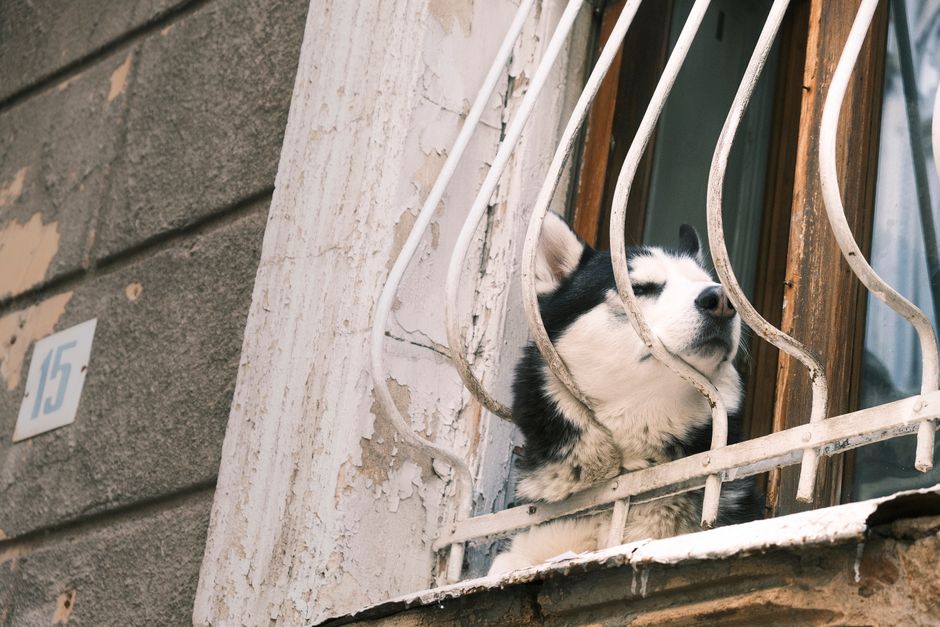
Why Do Huskies Hate Their Crates?
Huskies are independent, intelligent, and historically bred to roam vast distances. Unlike breeds that naturally seek dens, huskies often view confinement as a restriction of their freedom. Key reasons for crate aversion include:
- Instinctual need for space: As sled dogs, they are accustomed to open environments.
- Negative association: If the crate was used for punishment or introduced abruptly, they'll link it with fear.
- Separation anxiety: Huskies are pack-oriented and may panic when isolated.
- Boredom or excess energy: A husky needs physical and mental stimulation; a crate can feel like a jail cell if they're not tired.
- Physical discomfort: Incorrect size, poor ventilation, or an uncomfortable bed.
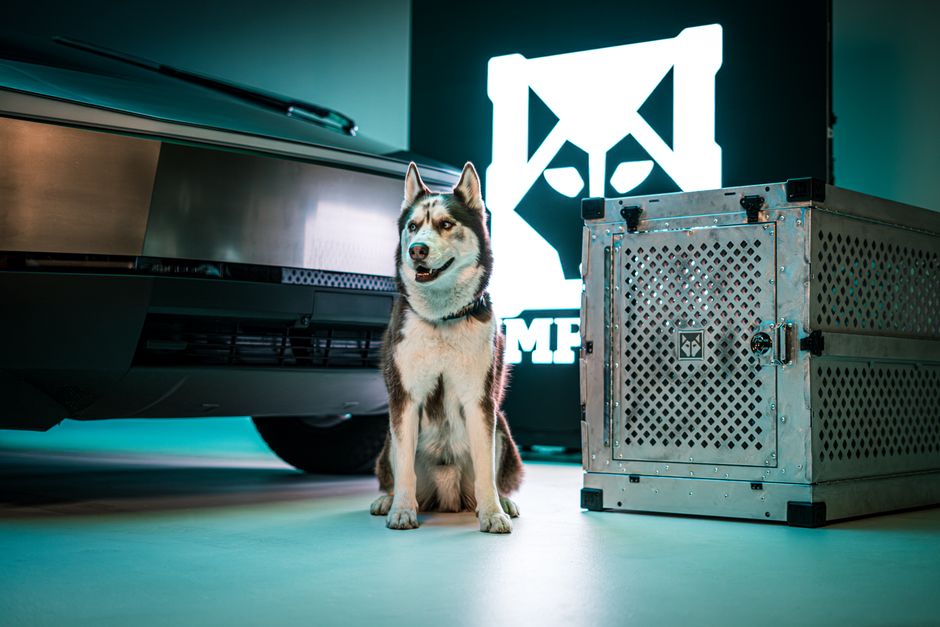
Common Mistakes That Worsen Crate Aversion
Before fixing the problem, avoid these pitfalls:
- Forcing entry: Pushing or shoving your husky inside increases fear.
- Using the crate for time-outs: This creates a negative association.
- Locking them in too long: Huskies need breaks; prolonged crating leads to distress.
- Ignoring whining: While you shouldn't reward excessive noise, leaving them to 'cry it out' without addressing needs can escalate anxiety.
- Inconsistent schedule: Random crating times confuse your dog.
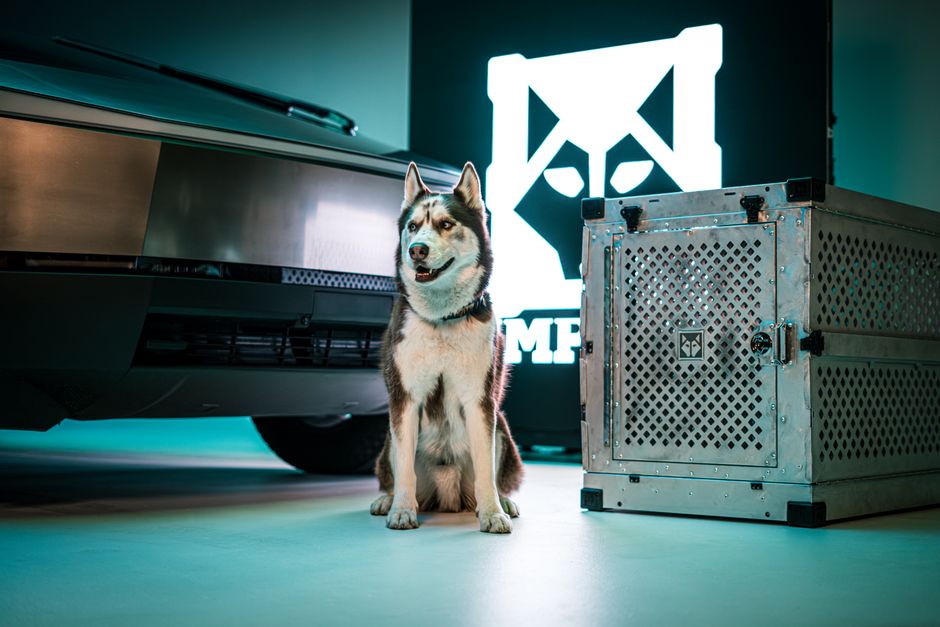
Step-by-Step Guide to Crate Training a Stubborn Husky
1. Choose the Right Crate
Select a wire crate with good airflow and a divider to adjust size as your husky grows. The crate should be large enough for them to stand, turn around, and lie down comfortably—but not so large that they can potty in one corner.
2. Build Positive Associations
Place the crate in a busy family area (not a dark corner). Drop treats, toys, and chews inside without closing the door. Let your husky explore at their own pace. Feed all meals inside the crate with the door open initially.
3. Gradual Desensitization
Once your husky willingly steps in, start closing the door for a few seconds while they eat a high-value treat. Slowly increase the duration. Practice 'crate games'—toss a treat inside, say 'crate,' and reward when they enter.
4. Create a Comfortable Environment
Add a soft bed or blanket, a safe chew toy, and a piece of your clothing (your scent is calming). Cover the crate with a light blanket to create a den-like atmosphere, but ensure airflow. Use calming aids like pheromone sprays or classical music.
5. Exercise Before Crating
A tired husky is more likely to rest. Provide at least 30–60 minutes of vigorous exercise (running, fetch, hiking) and mental stimulation (puzzle toys, training sessions) before crating.
6. Start with Short Periods
Begin with 5–10 minutes while you're home, then gradually increase. Never leave them crated for more than 4–6 hours during the day (adjust for puppies).
Troubleshooting When Your Husky Still Hates the Crate
| Problem | Solution |
|---|---|
| Whining or barking | Ignore attention-seeking noises, but ensure needs are met. If it's anxiety, try leaving a stuffed Kong or frozen peanut butter lick mat. |
| Scratching at the door | Add a plastic bottom pan to protect paws. Distract with a durable chew. |
| Refusing to enter | Go back to basics: lure with high-value treats (cheese, chicken), and never force. Try placing the crate in a new location. |
| Escape attempts | Ensure crate is sturdy and latches are secure. Use carabiners for added safety. |
| Panic or destructive behavior | Consult a professional trainer or veterinarian. Some huskies have severe confinement anxiety that requires behavior modification or medication. |
Alternatives to Traditional Crating for Huskies
If despite your best efforts your husky remains miserable, consider these alternatives:
- Playpen or exercise pen: Offers more space but still contains your dog.
- Dog-proofed room: Use baby gates to confine to a safe room with comfortable bedding.
- Crate-free options: For well-trained adults, a dog bed in your bedroom or a designated 'safe spot' may work.
- Professional daycare: For long work days, daycare can provide socialization and prevent boredom.
Conclusion
It's common for Siberian Huskies to resist crating due to their independent nature and high energy. However, with patience, positive reinforcement, and the right approach, many huskies can learn to accept the crate as a safe retreat. Remember to always pair the crate with good experiences, respect your dog's limits, and seek professional help if needed. The goal is not to force a husky into confinement but to create an environment where they feel secure and relaxed. With time and consistency, your husky's hatred for the crate can transform into tolerance—and maybe even contentment.