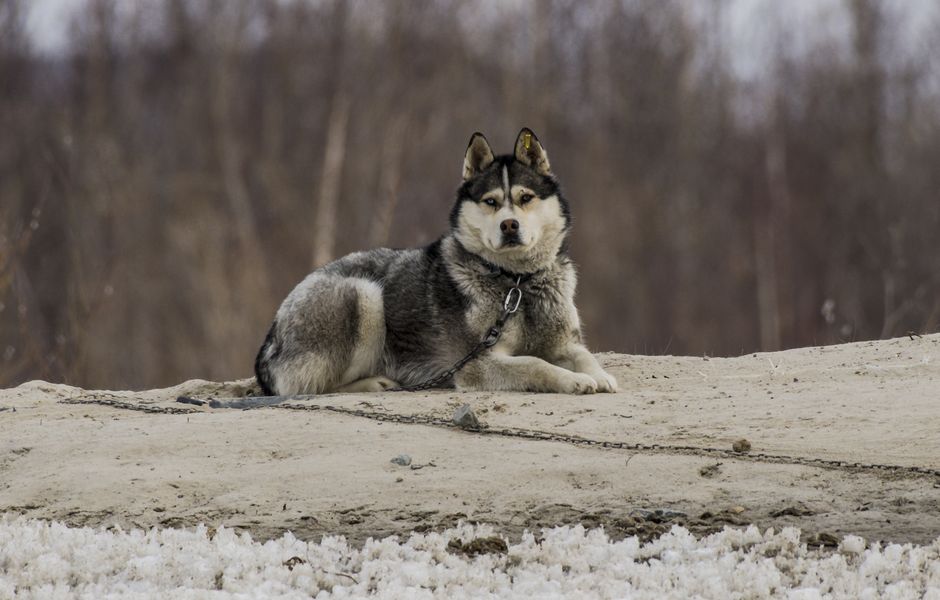
What Is Resource Guarding in Huskies?
Resource guarding is a natural canine behavior where a dog becomes possessive over items they consider valuable—such as food, toys, treats, beds, or even people. In Siberian Huskies, this instinct can be particularly pronounced due to their history as pack animals and sled dogs, where resources were often limited. However, when resource guarding becomes extreme, it can lead to growling, snapping, or biting. Understanding the nuances of this behavior is crucial for any Husky owner.
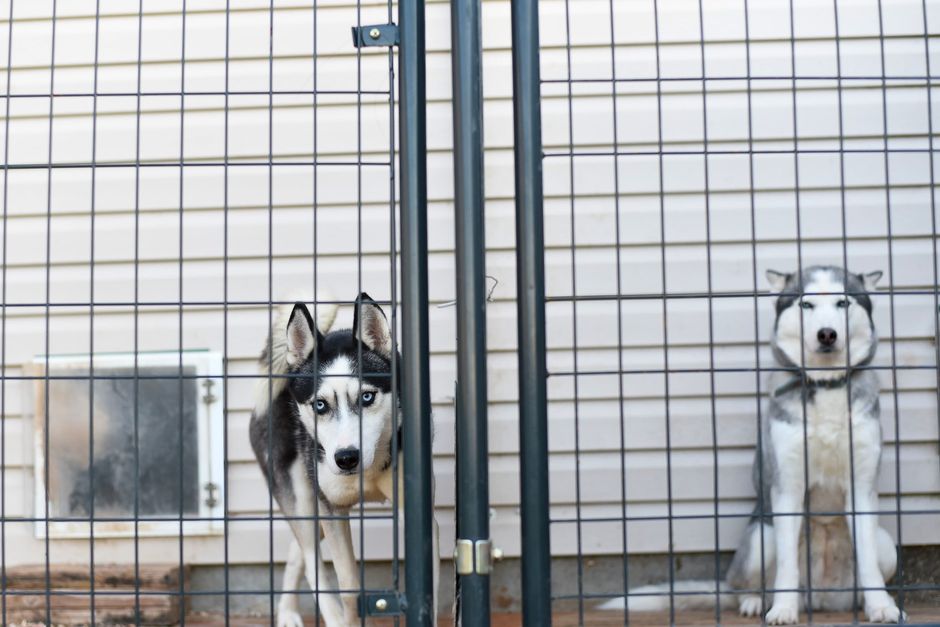
Why Do Huskies Resource Guard?
Huskies are an ancient breed with strong survival instincts. In the wild, guarding resources ensured survival. In a domestic setting, several factors can trigger or exacerbate guarding:
- Genetics: Some Huskies inherit a higher tendency to guard. Breeding lines with strong prey drive or territorial instincts may show more guarding behaviors.
- Past Experiences: Rescue Huskies or those from neglectful homes often develop guarding because they had to compete for food or attention.
- Unpredictable Environments: Frequent changes in routines, multiple pets, or children who approach while the dog is eating can increase anxiety and guarding.
- High-Value Items: Items like bones, rawhides, or stolen socks (which Huskies love) are often more fiercely guarded than regular kibble.
Understanding the root cause helps in tailoring a training plan.
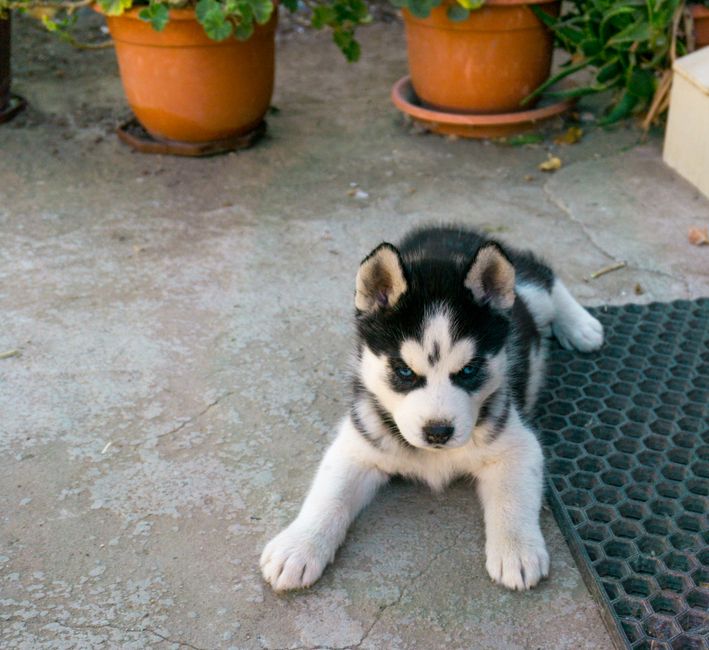
Signs of Resource Guarding in Huskies
Recognizing early signs prevents escalation. Look for these behaviors when your Husky has something they value:
| Mild Signs | Moderate Signs | Severe Signs |
|---|---|---|
| Stiff body posture | Low growl when approached | Snapping or lunging |
| Freezing in place | Lip curling (snarl) | Biting and holding |
| Eating faster | Holding item tightly | Aggressive attacks on people or pets |
| Following you out of room | Blocking access to area | Reluctance to move away |
Even mild signs should be addressed to prevent the behavior from worsening.
How to Prevent Resource Guarding in Husky Puppies and Adults
Prevention is easier than correction. Implement these strategies from day one:
Trade-Up Game
Teach your Husky that humans approaching their resource means something even better. Start with a low-value item (like a kibble) and offer a high-value treat (chicken) in exchange. Say “Trade” and when they take the treat, remove the original item. Repeat daily.
Desensitization and Counterconditioning
While your Husky is eating, walk past them and toss a treat. Over time, they associate your presence near their food with good things. Gradually move closer. Never take away food without a trade.
Respect Their Space
Never punish a Husky for growling—it’s their way of communicating discomfort. Instead, give space and call them away with a happy tone. Set up a safe zone (crate or mat) where they can eat undisturbed.
Manage the Environment
If you have multiple dogs, feed them in separate rooms or crates. Pick up toys after playtime to avoid conflicts. Use baby gates to create boundaries.
How to Train a Husky to Stop Resource Guarding
If your Husky already displays guarding, use a structured training plan. Patience is key—Huskies are intelligent but independent.
Step 1: Safety First
Never physically confront a guarding Husky—you risk a bite. Use management (crate, leash, muzzle if necessary) to prevent rehearsals of the behavior.
Step 2: Build Positive Associations
Identify the triggers (specific item or location). Start at a distance where your Husky shows no guarding. Toss a high-value treat near the item, then retreat. Gradually decrease distance over multiple sessions.
Step 3: The “Leave It” and “Drop It” Commands
Teach these commands in low-distraction settings. For “Drop It,” offer a trade. For “Leave It,” cover the item with your hand and reward when they look away. Practice daily.
Step 4: Handling High-Value Items
Use long-lasting chews (like bully sticks) only in controlled sessions. Hold one end while your Husky chews the other. Intermittently add a treat near their mouth—they learn your proximity is safe.
Step 5: Professional Help
If guarding escalates to aggression or your Husky has bitten, consult a certified behaviorist or force-free trainer. Sedation or behavioral medication may be needed.
Common Mistakes Husky Owners Make
- Punishing the growl: Suppresses warning signals, leading to “unpredictable” bites.
- Taking items without trading: Increases insecurity and guarding intensity.
- Overly permissive environment: Letting the Husky resource guard without intervention reinforces the behavior.
- Using force or dominance: Old-school alpha methods often worsen guarding and damage the human-dog bond.
When to Seek Professional Help
If your Husky’s resource guarding causes injury, prevents normal household routines, or arises suddenly after a medical event (e.g., pain, thyroid issues), consult a veterinarian and a certified behaviorist. Some cases require medication or specialized behavior modification.
Conclusion
Resource guarding in Siberian Huskies can be managed and often resolved with consistent, positive training. By understanding the breed’s instincts, using prevention techniques, and employing force-free strategies, you can create a safe and harmonious home. Remember: guarding is a symptom of anxiety or insecurity—work with your Husky, not against them, to build trust.