Siberian Huskies are renowned for their striking looks and spirited personalities, but their independent nature can sometimes lead to a frustrating behavior: refusing commands. If your husky seems to ignore you, you're not alone. Understanding why and how to address this is key to a harmonious relationship.
Understanding Husky Independence
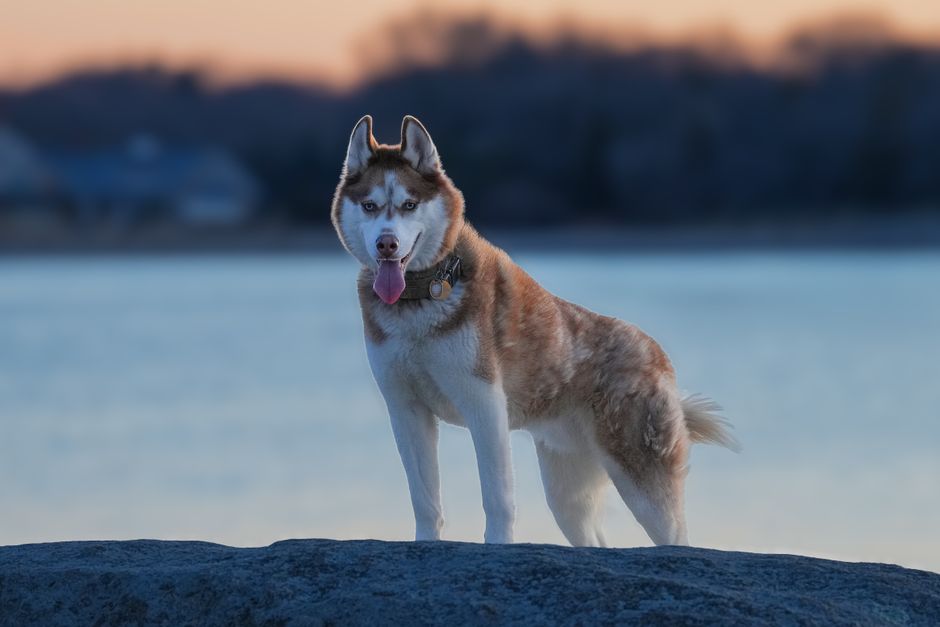
Huskies were bred to pull sleds over long distances, requiring them to make independent decisions. This trait, while valuable in the Arctic, can manifest as stubbornness in a home setting. They are not willfully disobedient; they simply have a different perspective on cooperation. Recognizing this as a breed characteristic, not a personal failing, is the first step.
Common Reasons for Refusing Commands
Lack of Motivation
What's in it for your husky? If treats or praise aren't high-value, they may see no reason to comply. Experiment with different rewards: bits of cheese, freeze-dried liver, or a favorite toy.
Inconsistent Training
Mixed signals confuse any dog. If one family member allows jumping and another scolds, your husky won't understand the rule. Consistency in commands, rewards, and rules is crucial.
Distractions
Huskies have a high prey drive and are easily distracted by sights, sounds, and smells. Training in a quiet environment initially, then gradually adding distractions, helps them focus on you.
Overtraining or Boredom
Short, engaging sessions work best. Long, repetitive drills bore a husky. Keep training fun with variety and end on a positive note.
Health Issues
Pain, discomfort, or cognitive decline can cause reluctance. If your husky suddenly ignores commands, a vet check is wise.
Training Techniques to Improve Compliance
Positive Reinforcement
Reward desired behavior immediately. Use a marker word like “yes” or a clicker. Avoid punishment, which can damage trust and increase resistance.
Short and Sweet Sessions
Two to five minutes, multiple times a day. Focus on one command at a time. Once mastered, chain commands (e.g., sit then down).
Use High-Value Rewards
Find what motivates your husky most—food, play, or praise. Save special treats for training only.
The “Name Game”
Say your husky's name and reward when they look at you. This reinforces attention. Practice in various settings.
Proofing Commands
Gradually increase difficulty. Start in a quiet room, then add mild distractions (e.g., open door). Reward heavily for listening in tough situations.
The “Nothing in Life is Free” Program
Your husky must earn everything: ask for a sit before feeding, a down before going out. This establishes you as the provider and encourages responsiveness.
Building a Stronger Bond
A husky that trusts and respects you is more likely to obey. Spend quality time together: walks, play, grooming. Communicate calmly and clearly. Avoid yelling or repeating commands—say it once, then show or lure if needed.
Learn to read your husky's body language. A turned head, tucked tail, or whale eye signals stress. If they're overwhelmed, step back and simplify.
When to Seek Professional Help
If you've tried consistent training and the behavior persists, a professional dog trainer or behaviorist can help. Look for someone experienced with Nordic breeds. Red flags include aggression (uncommon in huskies but possible) or extreme fear.
Remember: not all huskies will be obedience champions. Embrace their independent spirit while teaching polite behavior. With patience and creativity, you can reduce the frequency of ignored commands.
| Common Mistake | Better Approach |
|---|---|
| Repeating commands | Say once, then help them succeed |
| Using harsh corrections | Redirect to a positive behavior |
| Expecting perfection | Celebrate small progress |
| Training when tired | Train when you're both fresh |
Conclusion
When your husky refuses commands, it's often a communication gap. By understanding their nature, using effective training, and strengthening your bond, you can bridge that gap. Stay consistent, patient, and positive. Your husky's loyalty and intelligence will shine through.