Siberian Huskies are intelligent, energetic, and often vocal dogs. However, one common behavior that frustrates many owners is nipping. Whether it's a playful nip during a game or a more assertive bite when overexcited, understanding why your Husky nips and how to address it is important for a harmonious relationship. This comprehensive guide will explore the root causes of husky nipping and provide actionable training strategies to curb this behavior.
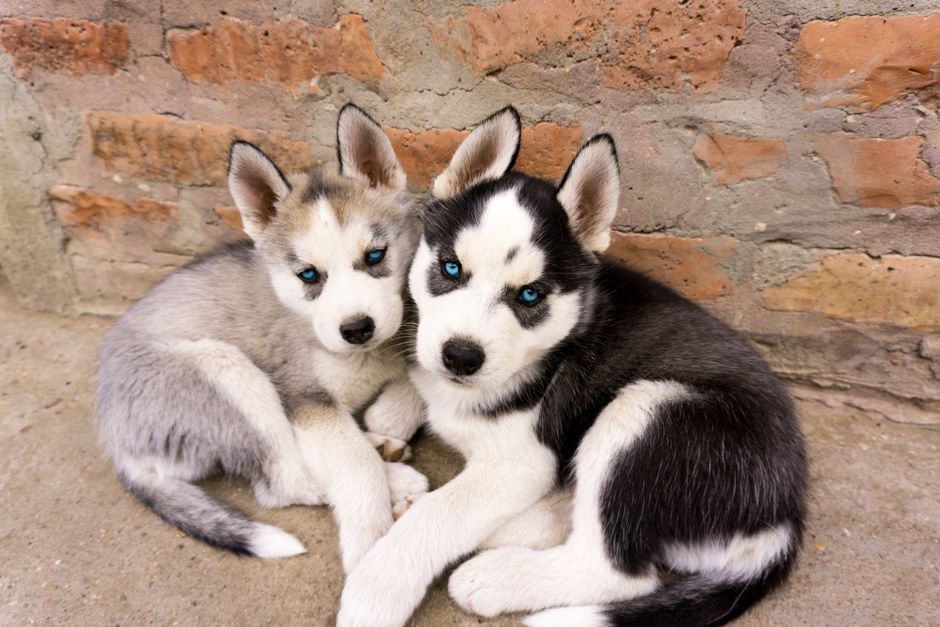
Why Do Siberian Huskies Nip?
Nipping is a natural behavior for dogs, especially during puppyhood. For Huskies, it can stem from several factors:
- Teething: Like all puppies, Huskies go through a teething phase (around 3–6 months) where their gums are sore. Nipping helps relieve discomfort.
- Play and Excitement: Huskies are high-energy and often use their mouths during play. They may nip to initiate or continue play.
- Herding Instinct: Though not a herding breed, Huskies have a strong prey drive and may nip at moving objects (e.g., children's heels, other pets) as an instinctual response.
- Lack of Bite Inhibition: Puppies learn bite inhibition from their littermates and mother. If removed too early, they may not have learned to control jaw pressure.
- Attention-Seeking: If nipping gets a reaction (even negative), your Husky may repeat it to get your attention.
- Overstimulation: Huskies can become overly excited and lose control, leading to nipping when they are tired or overwhelmed.
How to Stop Husky Nipping: Step-by-Step Guide
Successfully stopping nipping requires consistency, patience, and positive reinforcement. Here are proven techniques:
1. Teach Bite Inhibition
Bite inhibition is the ability to control the force of a bite. Start by letting your Husky mouth your hand, but when they bite too hard, let out a high-pitched yelp (like a puppy) and immediately withdraw attention. This mimics how littermates signal pain. Repeat consistently, and your Husky will learn to use a softer mouth.
2. Use Positive Reinforcement
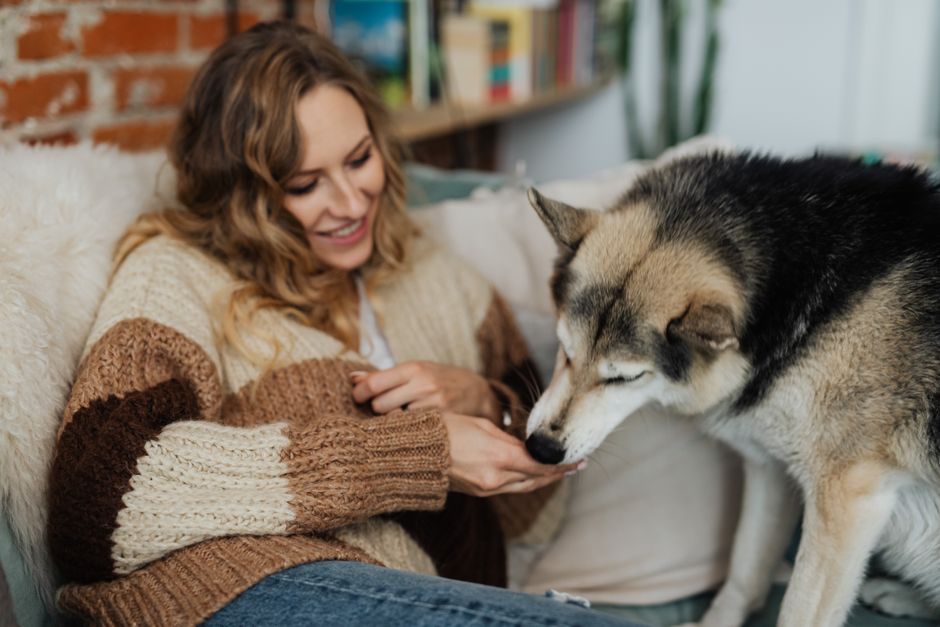
Reward calm behavior and gentle mouthing. Whenever your Husky licks instead of nips, give a treat and praise. Use a clicker if you have one. Avoid punishing or scolding, as this can increase anxiety and worsen nipping.
3. Provide Appropriate Chew Toys
Redirect your Husky's need to chew onto appropriate items. Offer several toys: rubber KONGs, Nylabones, or rope toys. When your Husky starts to nip, immediately offer a toy and praise them for chewing it.
4. Manage Their Environment
Prevent opportunities for nipping by managing your Husky's environment. Use baby gates to restrict access to areas where nipping is common (e.g., children's play spaces). Provide a quiet den-like crate where they can calm down when overexcited.
5. Avoid Rough Play
Games like tug-of-war or wrestling can encourage nipping. Instead, engage in structured play like fetch, flirt pole, or nose work. If your Husky gets mouthy during play, end the game immediately and ignore them for a few minutes.
6. Train the “Leave It” and “Drop It” Commands
These commands give you control over your Husky's mouth. Teach “leave it” by placing a treat in your closed hand; when your dog stops sniffing or licking, open your hand and say “take it.” For “drop it,” trade a toy for a high-value treat. Practice daily in various contexts.
| Technique | When to Use | Key Tip |
|---|---|---|
| Yelping + withdrawal | During play nipping | Use high-pitched yelp, then ignore for 10–20 seconds |
| Positive reinforcement | All interactions | Reward gentle mouthing & calm behavior |
| Redirection | During teething or excited nipping | Offer a toy immediately |
| Time-outs | Persistent nipping | Calmly remove yourself or put dog in quiet area for 1–2 minutes |
Common Mistakes Owners Make
Avoid these pitfalls when addressing nipping:
- Physical punishment: Hitting, yelling, or alpha rolls can increase fear and aggression.
- Inconsistency: One family member allowing nipping while others correct it confuses the dog.
- Over-exercising: While Huskies need exercise, too much can lead to overstimulation. Balance activity with rest.
- Ignoring the cause: If nipping is due to teething, provide frozen washcloths or teething rings.
- Not socializing properly: Expose your Husky to different people, dogs, and environments to reduce fear-based nipping.
When Nipping Becomes Aggressive
Most nipping is playful or exploratory, but sometimes it can indicate aggression. Signs include stiff body posture, growling, snapping, or biting that breaks skin. If your Husky shows these signs, consult a professional trainer or veterinary behaviorist. Aggression may stem from pain, fear, resource guarding, or lack of socialization. Early intervention is crucial.
Frequently Asked Questions
Is nipping a sign of aggression in Huskies?
Not usually. Most nipping is normal puppy behavior or a result of excitement. However, if accompanied by other aggressive signals, it could be a problem.
At what age do Huskies stop nipping?
With consistent training, many puppies reduce nipping by 5–6 months. However, without training, some dogs may continue into adulthood.
Can I use bitter apple spray to stop nipping?
Bitter sprays can deter mouthing of objects, but they are not recommended for skin contact and may not address the underlying behavior. Focus on training instead.
What should I do if my Husky nips a child?
Immediately separate the dog and child. Supervise all interactions and teach children to avoid high-pitched running or screaming. Use management tools like playpens.
Nipping is a common but manageable behavior in Siberian Huskies. By understanding why your dog nips and applying consistent, positive training methods, you can teach your Husky to keep a soft mouth. Remember, patience and persistence are key. If you're struggling, don't hesitate to seek help from a professional dog trainer who specializes in positive reinforcement. With time and effort, your Husky will learn polite play and become the wonderful companion you envisioned.