
Why Is My Husky So Obsessed with Toys?
If your Siberian Husky seems constantly fixated on toys—carrying them around, whining to play, or even hoarding them—you're not alone. This behavior is deeply rooted in the breed's history. Huskies were originally bred as sled dogs, requiring high endurance and a strong prey drive. Their ancestral instincts include chasing small animals, which translates into an intense fascination with moving objects, squeaky toys, or anything that resembles prey.
Moreover, huskies are intelligent and energetic. Without adequate physical and mental stimulation, they may channel their energy into toy obsession as a self-soothing or entertainment mechanism. Understanding this drive helps you address it effectively rather than trying to suppress it.
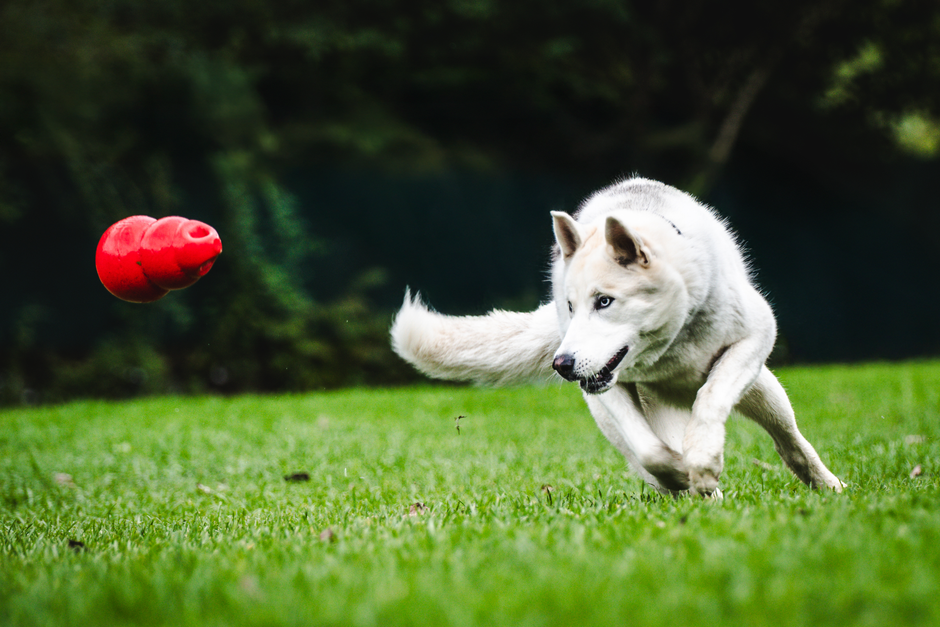
Signs of a Healthy Toy Obsession vs. Problematic Behavior
Not all toy obsession is cause for concern. Here’s how to distinguish between normal husky behavior and a potential issue:
Healthy Obsession
- Plays enthusiastically but can be redirected to other activities.
- Does not guard toys aggressively from people or other pets.
- Still eats meals, sleeps normally, and interacts with family.
- Brings toys to initiate play but accepts time-outs.
Problematic Behavior
- Whines, paces, or barks excessively if unable to access toys.
- Destroying toys within minutes, then becoming frustrated.
- Showing resource guarding (growling, snapping) over toys.
- Neglecting basic needs like eating, drinking, or sleeping due to toy fixation.
If you notice problematic signs, it may indicate anxiety, boredom, or lack of structured routine. Intervening early prevents escalation.
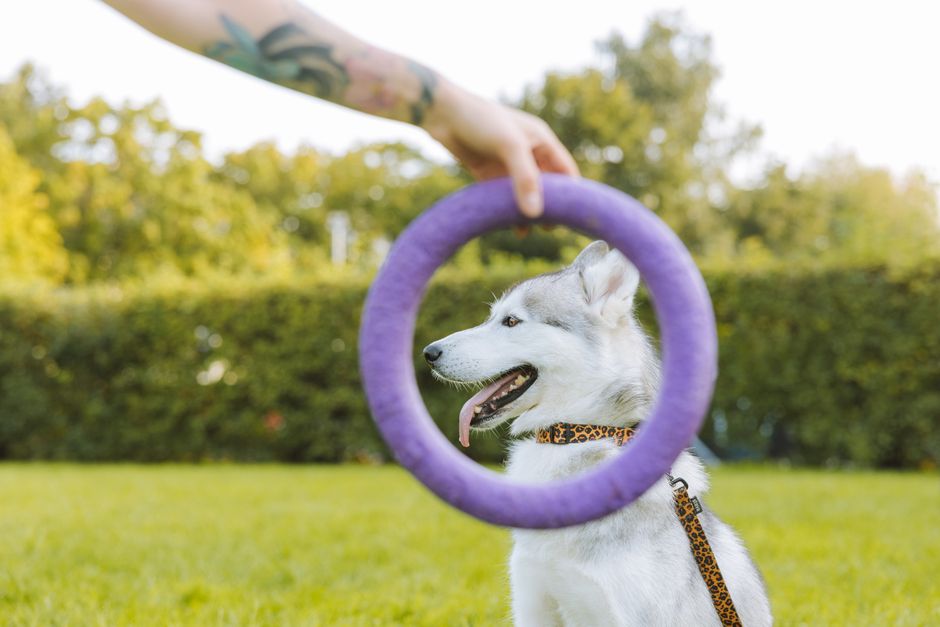
How to Manage Your Husky’s Toy Obsession: Tips and Strategies
Managing a toy-obsessed husky involves balancing their natural instincts with structure and discipline. Follow these practical strategies:
1. Establish a Routine
Huskies thrive on consistency. Schedule specific playtimes (e.g., two 30-minute sessions per day) and stick to them. This teaches your dog that toys are available at certain times, reducing constant demand.
2. Use Interactive Puzzles and Slow Feeders
Channel your husky’s mental energy into puzzle toys that dispense treats. These keep them occupied without overstimulating the prey drive. Examples include treat balls, snuffle mats, and sliding puzzles.
3. Rotate Toys Regularly
To prevent boredom, keep only a few toys out at a time and swap them every few days. A “new” toy feels exciting, reducing fixation on any single item.
4. Teach ‘Drop It’ and ‘Leave It’ Commands
These commands are important for impulse control. Practice with high-value treats and gradually increase distractions. A husky that can release a toy on command is safer and more manageable.
5. Ensure Exercise Needs Are Met
A tired husky is less likely to obsess. Provide at least one hour of vigorous exercise daily (running, hiking, cycling). Combine with structured play like fetch or tug-of-war to satisfy the prey drive appropriately.
6. Avoid Punishment
Never scold or punish a husky for being toy-obsessed—it can cause fear or anxiety. Instead, redirect to a calmer activity or use positive reinforcement for calm behavior.
Best Types of Toys for a Toy-Obsessed Husky
Choosing the right toys can help manage obsession while keeping your husky safe. Here’s a comparison table of toy types:
| Toy Type | Pros | Cons | Recommended? |
|---|---|---|---|
| Squeaky plush toys | Satisfies prey drive; often a favorite | Easy to destroy; stuffing can be ingested | With supervision only |
| Rubber chew toys (e.g., Kong) | Durable; can be stuffed with treats | Less satisfying for shredding instinct | Yes, for mental stimulation |
| Tug ropes | Great for interactive play; durable | Can become a possessive object | Yes, with clear start/stop rules |
| Puzzle toys | Mental challenge; reduces boredom | May cause frustration if too hard | Yes, moderate difficulty |
| Fetch toys (balls, frisbees) | Physical exercise; channels chase drive | Overexcitement can lead to obsession | Yes, with rotation |
| Shredding toys (e.g., cardboard boxes) | Allows destructive behavior in a controlled way | Messy; must be monitored | For supervised sessions |
Always choose toys appropriate for your husky's chewing strength. Remove any torn pieces promptly.
When to Seek Professional Help
If your husky’s toy obsession persists despite your best efforts, or if it escalates to aggression, anxiety, or self-injury, consult a professional:
- Veterinarian: Rule out medical causes (e.g., pain, neurological issues) that might drive compulsive behavior.
- Certified Dog Behaviorist: Can design a desensitization and counter-conditioning plan.
- Professional Trainer: Focus on impulse control and obedience in high-distraction scenarios.
severe obsession can be a sign of deeper issues like separation anxiety or obsessive-compulsive disorder. Early intervention improves the quality of life for both you and your husky.
Conclusion
A husky obsessed with toys is often just a husky being a husky. By understanding their instincts, providing structured routines, and choosing the right toys, you can turn this obsession into a manageable, enjoyable part of your dog’s life. Keep a close eye on behaviors that cross into problematic territory, and don’t hesitate to seek professional guidance when needed. With patience and consistency, you and your toy-loving husky can strike a healthy balance.