
Introduction
Food aggression is a common behavioral issue in dogs, and Siberian Huskies are no exception. Known for their independent and sometimes stubborn nature, Huskies can develop possessive behavior around food that can be challenging for owners. This guide will help you understand the roots of food aggression in Huskies, recognize the signs, and implement effective training strategies to create a peaceful mealtime environment.
What Is Food Aggression in Huskies?
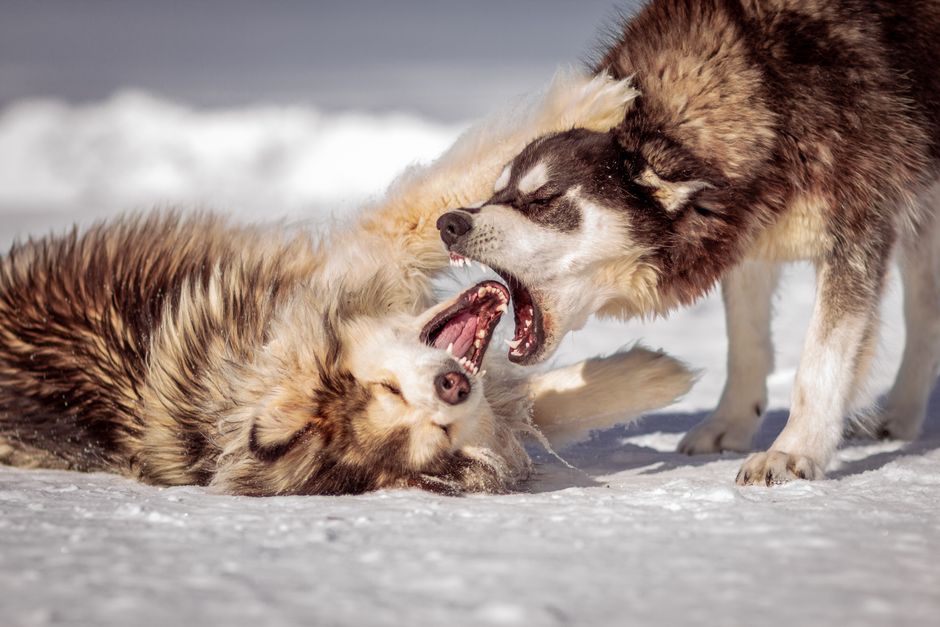
Food aggression, also called resource guarding, is when a dog displays aggressive behaviors like growling, snarling, snapping, or biting to protect their food. In Huskies, this can range from mild stiffness while eating to full-blown attacks if someone approaches their bowl. It's a survival instinct, but in a domestic setting, it can lead to dangerous situations, especially in homes with children or other pets.
Why Are Huskies Prone to Food Aggression?
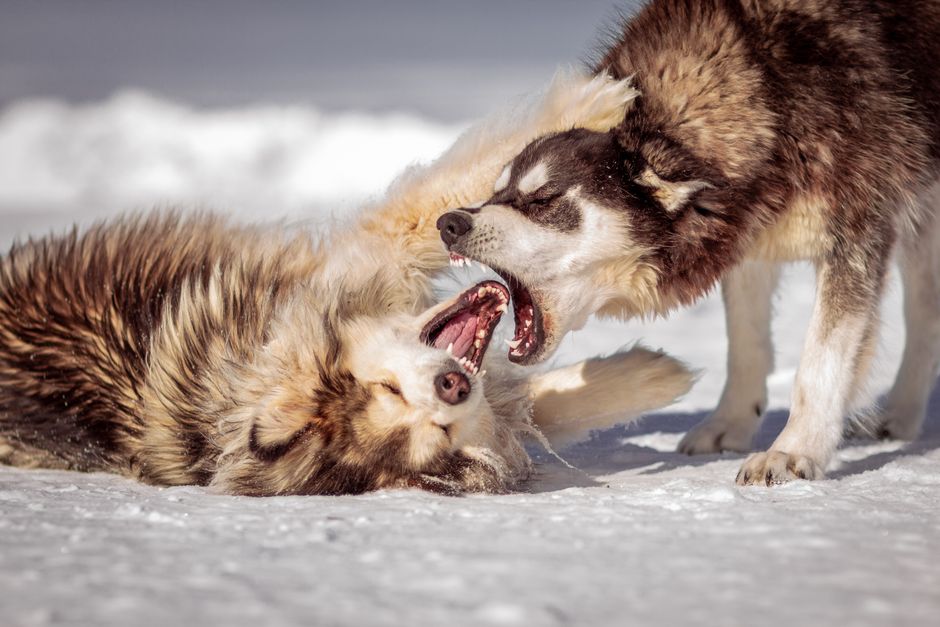
Several factors contribute to food aggression in Siberian Huskies:
- Genetic Instincts: Huskies were bred to be pack animals with a strong survival drive. In the wild, guarding food was important for survival, and this instinct remains in modern dogs.
- High Prey Drive: Their history as sled dogs in harsh climates means they can be very focused on resources, including food.
- Past Experiences: Rescue Huskies or those from neglectful environments may have learned to guard food due to scarcity.
- Pack Mentality: Huskies naturally understand hierarchy. A dog that perceives itself as higher in rank may guard resources more intensely.
Signs of Food Aggression
Recognizing early signs is crucial. Common indicators include:
- Stiff body posture while eating
- Growling or snarling when someone approaches
- Eating rapidly or gulping food
- Lifting the lips to show teeth
- Biting the air or snapping
- Hovering over the bowl and refusing to move away
- Aggression only when food is present (not in other contexts)
How to Prevent Food Aggression in Husky Puppies
Prevention is far easier than correction. Start early:
- Hand Feeding: Feed your puppy kibble from your hand to associate your presence with positive experiences.
- Trade Up: During meals, occasionally offer a high-value treat and take the bowl away, then return it. This teaches that your approach means a better reward.
- Touch While Eating: Gently touch your puppy while they eat, starting from a safe distance and gradually moving closer.
- No Punishment: Never scold a puppy for growling; it's a warning. Punishment can escalate aggression.
How to Manage and Treat Food Aggression in Adult Huskies
If your adult Husky already shows food aggression, follow a structured desensitization and counter-conditioning plan:
Step 1: Safety First
Never attempt to take food directly from an aggressive Husky. Use a leash or barrier to keep a safe distance. Wear gloves if necessary.
Step 2: Desensitization
Start by standing far away while your dog eats – a distance where they notice you but don't react. Gradually decrease the distance over multiple sessions. Toss high-value treats (like cheese or chicken) to your dog while they eat, teaching that your presence predicts good things.
Step 3: Counter-Conditioning
Pair your approach with something positive. For example, say a cheerful phrase like "Treat time!" and drop a handful of special treats into the bowl. Over time, your dog will associate your approach with a reward rather than a threat.
Step 4: Hand Feeding and Bowl Progress
Walk your dog through this hierarchy: (1) feed from your hand, (2) feed from an empty bowl you hold, (3) feed from a bowl on the floor while you stand nearby, (4) feed from bowl while you touch the bowl or dog. Move to the next step only when the current one elicits no aggressive response.
Step 5: Teach "Leave It" and "Drop It"
These commands are invaluable. Practice with low-value items first, then progress to food bowls. Reward calm behavior.
Common Mistakes to Avoid
- Punishing growling: This suppresses the warning signal and can lead to unprovoked bites.
- Forcefully removing food: This reinforces the need to guard.
- Handling during meals too quickly: Rushing desensitization causes setbacks.
- Ignoring mild signs: Early subtle behaviors can escalate.
- Neglecting other resources: Food aggression can extend to toys, beds, or treats – address all.
When to Seek Professional Help
If your Husky's food aggression is severe (biting, lunging, or you feel unsafe), consult a certified dog behaviorist or a positive-reinforcement trainer. Medication may be recommended in extreme cases to reduce anxiety. Veterinary behaviorists are specially trained to handle such cases.
Conclusion
Food aggression in Huskies is manageable with patience, consistency, and positive training. this behavior stems from instinct and fear, not dominance. By understanding your Husky's perspective and using gradual desensitization, you can turn mealtime into a peaceful, bonding experience. Always prioritize safety and seek professional guidance if needed.