Understanding Why Your Husky Puppy Screams
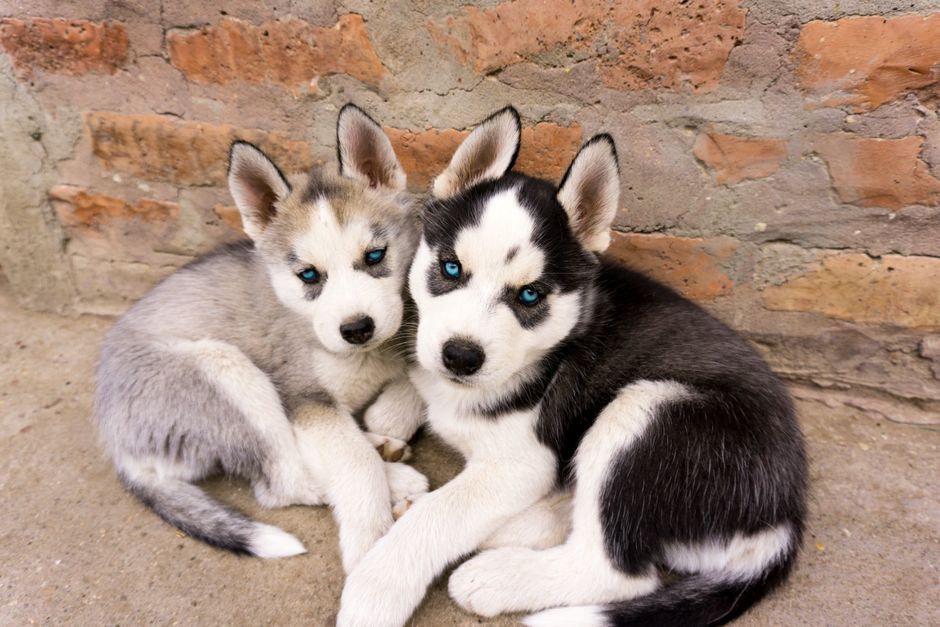
Husky puppies are known for their vocal nature, and screaming is one of the more dramatic sounds they make. Unlike barking or whining, screaming is a high-pitched, piercing vocalization that can be alarming to new owners. It’s important for understand that screaming is a form of communication for your puppy. They may be expressing excitement, anxiety, frustration, or even pain. Common triggers include being left alone (separation anxiety), wanting attention, anticipating a walk or meal, or reacting to unfamiliar sounds or sights. Because Huskies are pack animals with strong social bonds, they sometimes scream to call out to their human or canine pack members.
Is Screaming Normal for Husky Puppies?
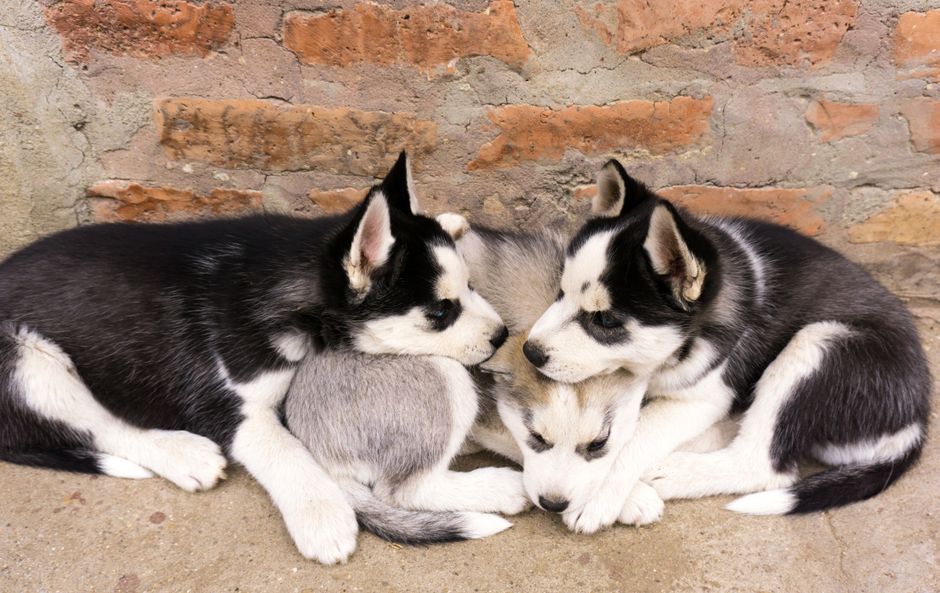
Yes, to some extent. Siberian Huskies are a vocal breed, known for howling, whining, and yes, screaming. Puppies often scream during play, when they’re overly excited, or when they want something. However, persistent or extreme screaming can indicate an underlying issue. It’s normal for a husky puppy to scream when you leave the room, but if it continues for hours or is accompanied by destructive behavior, it may signal separation anxiety. Similarly, screaming during car rides or vet visits is normal fear response, but should be addressed gently. The key is to distinguish between normal breed-typical vocalizations and problematic screaming that requires intervention.
How to Stop Husky Puppy Screaming
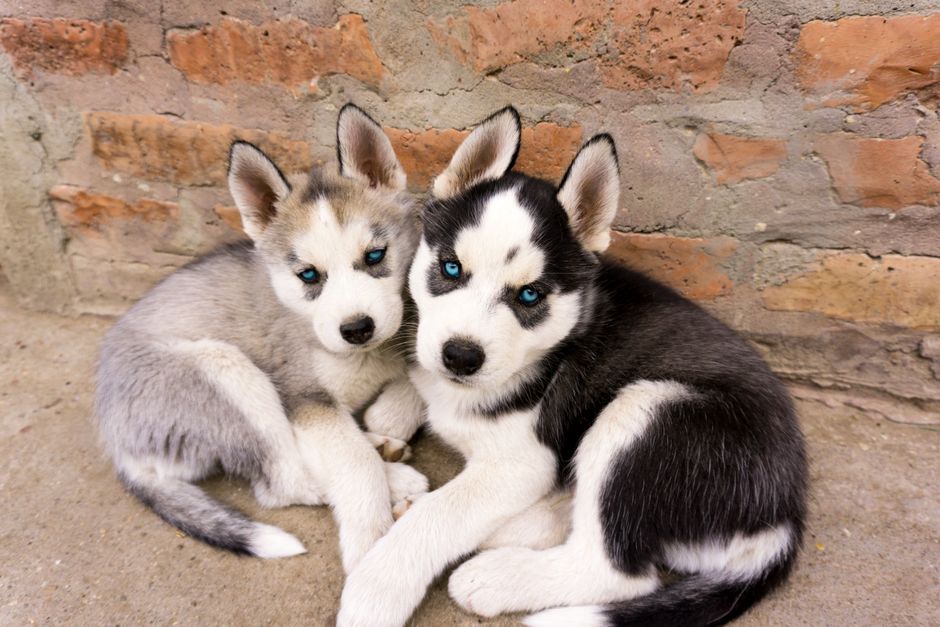
Stopping unwanted screaming requires patience and consistency. The most effective strategies involve teaching your puppy that quiet behavior gets rewarded while screaming goes unnoticed. Here are proven techniques:
Ignore the Screaming
Husky puppies often scream to get attention. If you respond by looking at them, talking to them, or giving in to their demands, you reinforce the behavior. Instead, practice active ignoring: turn your back, avoid eye contact, and don’t speak. Once your puppy is quiet for at least 3-5 seconds, calmly reward with a treat and praise. Gradually increase the quiet duration before rewarding.
Reward Quiet Behavior
Set up opportunities for your puppy to be quiet and then reinforce that. For example, when you’re preparing their food, if they start screaming, stop and wait for silence. As soon as they pause, give the food. This teaches that quiet is the path to rewards. You can also practice “quiet” command: say “quiet” in a calm voice when they are momentarily silent, then treat. Repeat frequently.
Provide Adequate Exercise and Mental Stimulation
A tired husky is a quiet husky. Puppies need physical activity and mental challenges to prevent boredom-fueled screaming. Aim for short, frequent exercise sessions appropriate for their age. Also, use puzzle toys, snuffle mats, training sessions, and interactive games to keep their mind engaged. A well-exercised puppy is less likely to scream out of excess energy.
Manage Separation Anxiety
If your puppy screams when you leave, work on desensitization. Start by leaving for very short periods (e.g., 30 seconds) and return before the screaming starts. Gradually increase the duration. Pair your departure with a special treat, like a stuffed Kong, to create positive associations. Never punish screaming related to anxiety; it will worsen the problem. Consider crate training as a safe space.
Use Positive Reinforcement Training
Teach basic commands like “sit,” “down,” and “stay” to channel your puppy’s focus. Reward calm behavior routinely. Avoid harsh punishments; they can increase anxiety and lead to more screaming. Instead, use a calm, firm tone when saying “no” and redirect to an alternative behavior.
Step-by-Step Training Plan
Implementing a structured plan can expedite results. Follow these steps daily:
- Morning: After waking, take puppy out to potty. If they scream in the crate, wait for a 2-second pause before opening. Reward quiet.
- Exercise: 10-15 minute play session followed by training (5 minutes).
- Mealtime: Practice “wait” for food. If they scream, withhold until quiet for 5 seconds.
- Alone Time: Practice short departures (30 seconds to 2 minutes) with a treat toy.
- Evening: Wind down with calming activities like chew toys. Reward any quiet moments.
Consistency is crucial. Every family member must follow the same rules. It may take weeks to see improvement, but persistence pays off.
Common Mistakes to Avoid
- Yelling or punishing: This can escalate fear and screaming.
- Giving in to demands: If screaming gets the puppy what they want, they’ll keep doing it.
- Inconsistent response: Sometimes ignoring, sometimes giving attention confuses the puppy.
- Not addressing underlying pain: If screaming is sudden or accompanied by limping, vomiting, etc., consult a vet.
- Over-exercising a young puppy: Too much exercise can harm joints; follow age-appropriate guidelines.
When to Seek Professional Help
If your husky puppy’s screaming is intense, persistent, and doesn’t improve with consistent training, consider consulting a professional dog trainer or a veterinary behaviorist. This is especially important if the screaming is coupled with destructive behavior, self-harm, or aggression. Separation anxiety often requires a tailored desensitization plan. A professional can also rule out medical causes like pain or cognitive issues.
Summary Table: Quick Reference for Husky Puppy Screaming
| Cause | Solution |
|---|---|
| Attention-seeking | Ignore until quiet, then reward |
| Separation anxiety | Desensitization, special treats, crate training |
| Excitement/anticipation | Teach calm behavior before rewarding |
| Boredom | Increase exercise and mental stimulation |
| Fear or pain | Consult vet or behaviorist |
Remember, your husky puppy isn't trying to be difficult; they're communicating. With empathy, consistent training, and patience, you can help them express themselves more appropriately. Celebrate small victories and enjoy the journey of raising a happy, well-adjusted husky.