Why Do Huskies Chase Bicycles?
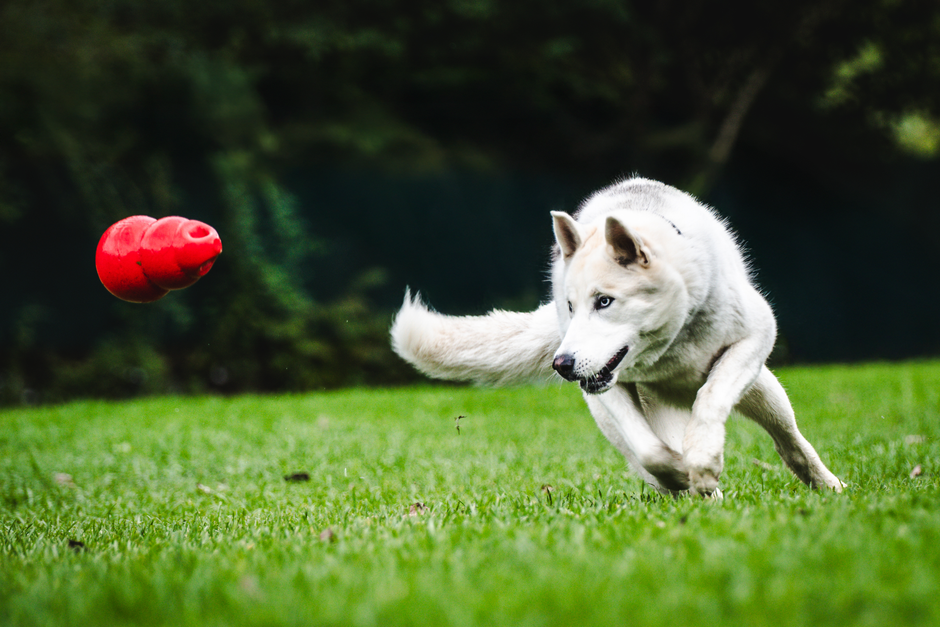
Huskies are natural athletes with an instinctive prey drive. Bicycles trigger this instinct because they move quickly, often unpredictably, and the spinning wheels can resemble small prey animals escaping. Additionally, huskies are pack animals with a strong herding instinct—they may see the bike as something that needs to be controlled or chased back into line. The combination of movement, sound, and speed makes bicycles irresistible to many huskies.
The Dangers of Chasing Bicycles
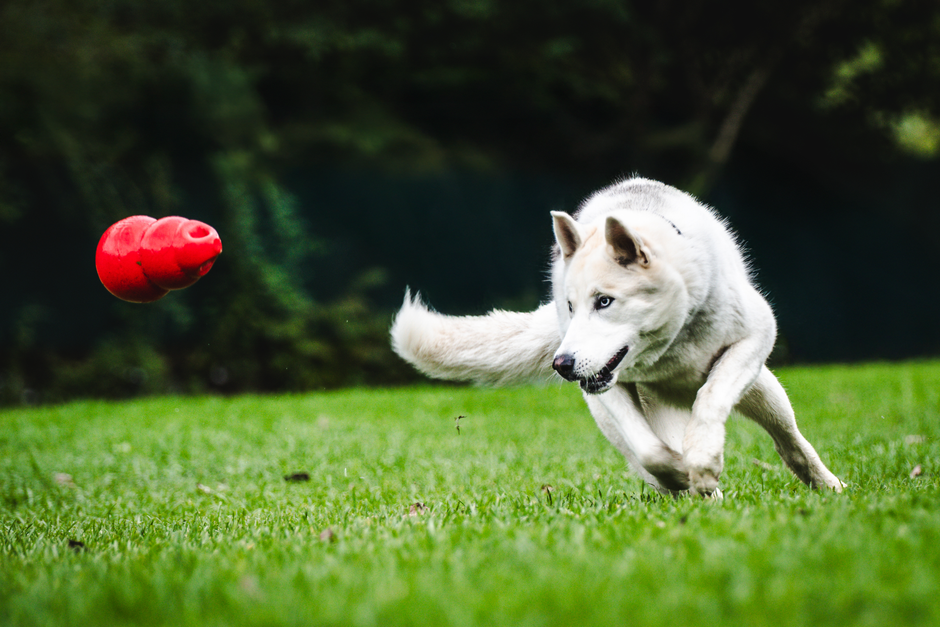
Allowing your husky to chase bikes is dangerous for both the dog and the cyclist. Risks include:
- Traffic accidents: A chasing dog may run into the street and get hit by a car.
- Injuries to the cyclist: A dog suddenly darting in front or nipping at wheels can cause a crash.
- Injuries to the dog: Sprained paws, broken bones, or cuts from sharp bike parts.
- Legal consequences: Many places hold owners liable for dog-related incidents.
- Increased prey drive reinforcement: Each successful chase reinforces the behavior, making it harder to stop.
How to Stop Your Husky from Chasing Bicycles
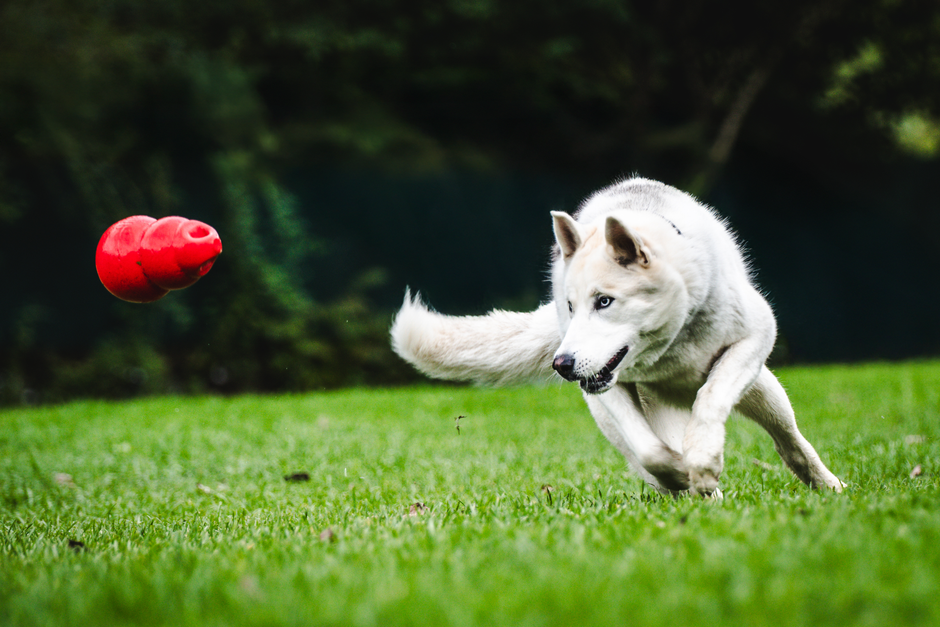
Stopping this behavior requires consistent training, management, and understanding of your husky's motivations. Below are proven strategies.
1. Basic Obedience and Impulse Control
Before you can expect your husky to ignore bikes, they must master basic commands like "sit," "stay," "leave it," and "look at me." Practice daily in low-distraction environments. Use high-value treats (small pieces of cheese, chicken, or liverwurst) to reinforce focus. Impulse control games like "wait at the door" or "leave a toy" build the mental muscle needed to resist chasing.
2. Desensitization and Counter-Conditioning
Desensitization involves exposing your husky to bicycles at a distance where they notice but don't react. Begin with a stationary bike far away. As your dog stays calm, gradually decrease the distance. Counter-conditioning pairs the sight of a bike with something positive—treats, praise, or play. Over time, your husky will associate bikes with good things rather than the urge to chase.
3. The "Leave It" and "Look at Me" Commands
These are your most powerful tools. Train "leave it" by placing a treat on the floor, covering it, and rewarding your dog for looking away. Increase difficulty by using moving objects like a toy. For "look at me," hold a treat to your eye, say the cue, and reward when your husky makes eye contact. Practice with bike distractions.
4. Using a Long Line for Safety
Until your husky is reliable, always use a long line (10-15 meters) when near bikes. This prevents them from successfully chasing while allowing you to practice training at a safe distance. When a bike approaches, call your dog back using a happy tone and reward generously. Never yank or punish—that can create negative associations.
5. Managing the Environment
Set your husky up for success. Avoid walking during peak cycling hours. Use a front-clip harness for better control. If you see a bike coming, step aside, ask for a sit, and feed continuous small treats until the bike passes. You can also use a visual barrier like a parked car or bush to break the line of sight.
Training Steps: A Practical Guide
Follow these steps in order, moving to the next only when your husky is successful at least 80% of the time.
Step 1: Start at a Distance
Go to a park or quiet street where bikes are infrequent. Stand with your husky at a distance where they notice a stationary bike but don't fixate. Say "look at me" and reward eye contact. If they remain calm, give a treat. Repeat 5-10 times.
Step 2: Reduce Distance Gradually
Move 10 feet closer if your husky was calm. If they stare or pull, you've moved too close. Back up until they're relaxed again. Progress over several sessions.
Step 3: Add Motion (Slow Bike)
Have a helper ride a bike slowly at a distance. As the bike moves, practice "leave it" and reward your husky for disengaging. Gradually increase speed and decrease distance.
Step 4: Real-World Practice
Once your husky reliably ignores a slow bike with a helper, practice on walks. Keep sessions short and always end on a success. Use a happy voice and high-value treats. Over weeks, the habit will weaken.
Alternative Activities to Channel Your Husky's Energy
A tired husky is less likely to chase. Provide plenty of physical and mental exercise:
- Running: If you're a runner, let your husky run alongside you (after proper training).
- Fetch and tug: Channel chasing instincts into toys.
- Nose work: Hide treats or use scent games to tire their brain.
- Agility training: Set up a course with jumps and tunnels.
- Dog sports: Consider bikejoring or canicross under professional guidance.
When to Seek Professional Help
If your husky's chasing is extreme, or if you've tried these methods for a month without improvement, consult a certified positive-reinforcement trainer or behaviorist. Red flags include growling, snapping at bikes, or ignoring all commands. Some huskies have such high prey drive that they need specialized desensitization programs.
Conclusion
Stopping your husky from chasing bicycles takes patience and consistency. this behavior is rooted in strong instincts—your dog isn't being naughty. By using force-free training techniques, managing the environment, and providing alternative outlets, you can keep your husky safe and your bike rides peaceful. Celebrate small victories, and don't hesitate to seek professional support if needed.