Huskies are known for their talkative nature, but when barking turns into a persistent demand for attention, it can become a challenge for any owner. Attention barking is a learned behavior where your husky uses vocalizations to get you to interact, give treats, or offer playtime. Understanding why they do it and how to address it is key to restoring peace in your home.
Understanding Attention Barking
Attention barking is a form of communication where a dog barks specifically to gain a response from their owner. Unlike alarm barking (which is triggered by perceived threats) or boredom barking (which stems from lack of stimulation), attention barking is deliberate and often stops as soon as you give in. Over time, this reinforces the behavior, making your husky more likely to bark for attention in the future.
Why Huskies Are Prone to Attention Barking
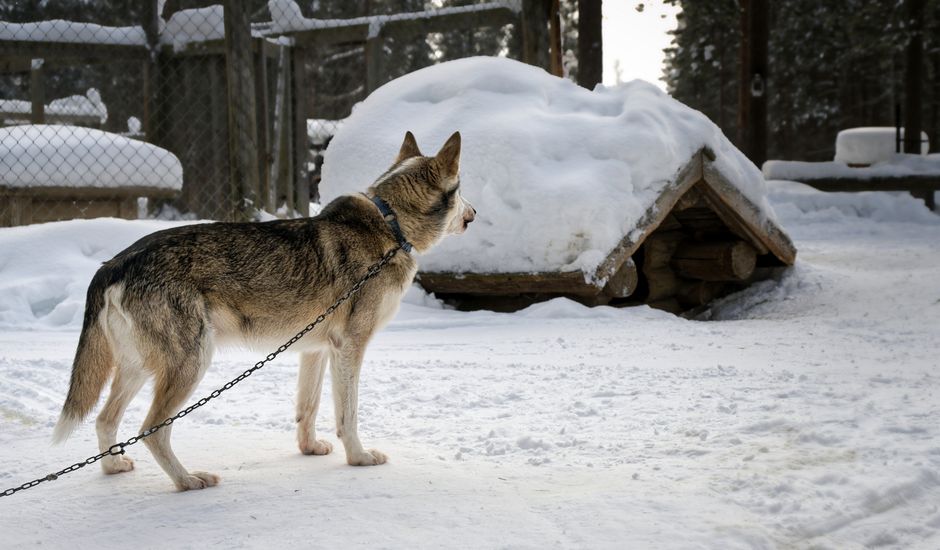
Huskies are an ancient breed developed for pulling sleds and working closely with humans. They are highly intelligent, energetic, and social. These traits make them prone to attention-seeking behaviors, including barking. Their history as pack animals means they thrive on interaction, and if they feel ignored, they may escalate their vocalizations. Additionally, huskies are not typically guard dogs — their bark is not about protection but about communication. They can quickly learn that barking gets your attention, especially if you respond by looking at them, talking to them, or giving treats.
How to Identify Attention Barking vs Other Barking
It’s important to differentiate attention barking from other types to address it correctly. Here’s a quick comparison:
| Barking Type | Trigger | Body Language | Stop When Ignored? |
|---|---|---|---|
| Attention Barking | You leave the room, look away, or stop petting | Looks at you, wags tail, stops barking as soon as you engage | Yes (initially may escalate) |
| Alarm Barking | Doorbell, stranger, unusual sound | Stiff body, ears forward, may not stop when you speak | No |
| Boredom Barking | Lack of exercise or mental stimulation | Pacing, destructive behavior, repetitive barking | No (may continue or find other outlets) |
If your husky barks at you, then stops the moment you make eye contact or give a command, it’s likely attention barking.
Effective Strategies to Stop Attention Barking
Stopping attention barking requires consistency and patience. The goal is to teach your husky that barking does not get what they want, while rewarding calm behaviors instead.
1. Ignore the Barking Completely
When your husky barks for attention, do not make eye contact, speak, or touch them. Turn your back or leave the room. Wait for a moment of silence, even if it’s just a few seconds, then immediately reward with gentle praise or a treat. This teaches that quiet gets attention, not barking. Be aware that the barking may get worse before it gets better — this is called an extinction burst. Stay consistent.
2. Teach an Alternative Behavior
Train your husky to perform a specific behavior instead of barking, such as sitting or going to their bed. When they start to bark, ask for the alternate behavior. For example, say “Sit!” and reward when they comply. Over time, they will learn that sitting (not barking) leads to your attention.
3. Increase Mental and Physical Exercise
A tired husky is less likely to demand attention through barking. Ensure your dog gets at least 1-2 hours of vigorous exercise daily, such as running, hiking, or playing fetch. Combine with mental stimulation: puzzle toys, obedience training, or interactive games. A well-exercised husky is more relaxed and less prone to attention-seeking behavior.
4. Use Positive Reinforcement
Reward your husky for calm, quiet behavior throughout the day. When they are lying down quietly, give them a low-value treat or a scratch. This builds a habit of calmness. Also, reinforce the “Quiet” command: wait for a pause in barking, say “Quiet,” then treat. Gradually increase the duration of quiet required for a reward.
5. Manage the Environment
If your husky barks at you while you work from home or watch TV, create a positive alternative. Provide a long-lasting chew, a frozen Kong, or a treat-dispensing toy to keep them occupied. You can also use baby gates or a crate to create a quiet zone where they are not constantly seeking your attention.
6. Consistency Across All Family Members
Everyone in the household must follow the same rules. If one person gives in to barking while others ignore it, the behavior will persist. Discuss the plan and ensure everyone responds identically.
Common Mistakes to Avoid
- Yelling or scolding: This gives attention and can make barking worse. Your husky may think you’re joining in the “conversation.”
- Barking back: Some owners try to mimic a bark; this only confuses the dog and may escalate the behavior.
- Inconsistent ignoring: If you sometimes ignore and sometimes give in, your husky learns to try harder each time.
- Using punishment: Punishing barking can lead to fear and anxiety, potentially causing other behavior issues.
- Giving treats after barking stops: Ensure you wait for the barking to cease before rewarding, but do not reward immediately as they may associate barking-ending with the treat.
When to Seek Professional Help
If your husky’s attention barking is severe, persists despite consistent training, or is accompanied by other concerning behaviors (aggression, destruction, self-harm), consult a professional dog trainer or a veterinary behaviorist. They can assess underlying issues such as separation anxiety or compulsive disorders and create a tailored behavior modification plan.
Conclusion
Attention barking in huskies is a common but manageable behavior. By understanding the root cause, consistently ignoring the barking, rewarding calmness, and providing adequate exercise and mental stimulation, you can teach your husky that quiet is the best way to get your attention. Remember, patience and consistency are the keys to success. Your relationship with your husky will strengthen as you communicate more effectively.