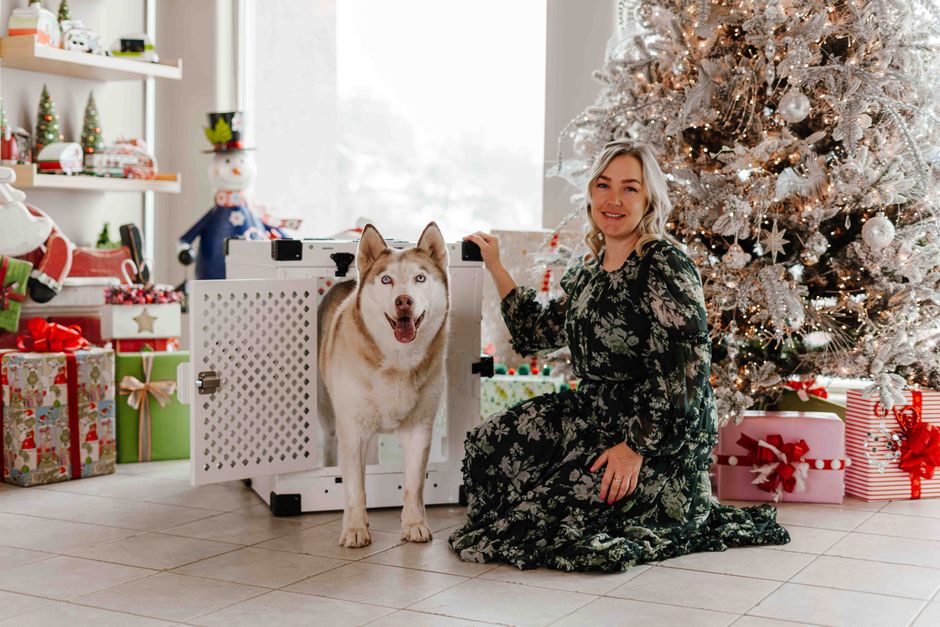
Why Does Your Husky Destroy Their Crate?
Huskies are intelligent, energetic, and independent dogs. When they destroy their crate, it's usually a sign of an unmet need. Common reasons include separation anxiety, boredom, improper crate training, or a strong escape instinct. Understanding the root cause is the first step to solving the problem.
Separation Anxiety
Huskies thrive on companionship. When left alone, they may panic and try to escape their crate by chewing, scratching, or bending bars. This is often accompanied by excessive barking, drooling, or destructive behavior elsewhere. If your husky only destroys the crate when you're away, separation anxiety is likely the culprit.
Boredom and Lack of Exercise
Huskies are working dogs with high energy levels. Without enough physical and mental stimulation, they become bored and frustrated. Crate destruction becomes a way to release energy or entertain themselves. A tired husky is a well-behaved husky.
Improper Crate Training
If your husky was introduced to the crate too quickly or had negative experiences (like being locked up for punishment), they may associate the crate with fear. This leads to resistance and destructive behavior. Gradual, positive crate training is essential.
The Escape Artist Instinct
Huskies are notorious escape artists. Their history as sled dogs means they are clever problem solvers. If they see a weak latch or a flimsy door, they will work to break free. Some huskies view crate destruction as a fun challenge.
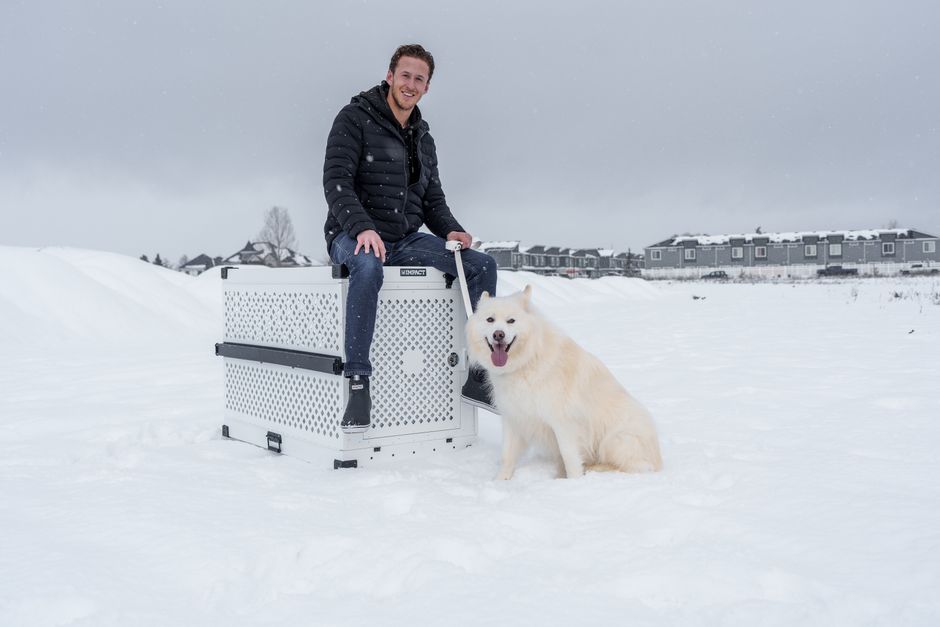
How to Stop Crate Destruction: Step-by-Step Guide
1. Exercise First, Crate Second
Before crating your husky, ensure they have had at least 30-60 minutes of vigorous exercise (running, hiking, or fetch). A tired dog is more likely to rest calmly. Exercise also releases endorphins that reduce anxiety.
2. Choose the Right Crate
Invest in a heavy-duty crate designed for escape artists. Look for ones made of welded steel with reinforced latches (e.g., the Impact High Anxiety Crate or ProSelect Empire Crate). Avoid plastic or wire crates that can be chewed or bent. The crate should be just large enough for your husky to stand and turn around; too much space can encourage restless behavior.
3. Positive Crate Training
Reintroduce the crate with positive associations. Start by feeding meals near the crate, then inside with the door open. Gradually increase time with the door closed while you are present. Pair with treats, toys, and praise. Never force your husky inside or use the crate as punishment.
4. Mental Stimulation and Chew Toys
Provide durable chew toys (e.g., Kong stuffed with frozen peanut butter, Himalayan chews, or puzzle toys) to keep your husky occupied. Rotate toys to maintain novelty. Consider a food-dispensing toy that releases treats as they roll around.
5. Address Separation Anxiety
For mild anxiety, try desensitization: leave for short periods and gradually increase alone time. Use calming aids like pheromone diffusers (Adaptil), calming music, or a ThunderShirt. For severe cases, consult a veterinarian or a certified behaviorist. Medications may be necessary.
6. Never Use the Crate as Punishment
Your husky should view their crate as a safe den, not a jail cell. If they've destroyed something, do not crate them as punishment. This will worsen negative associations. Instead, use management strategies like baby gates or confinement to a safe room.
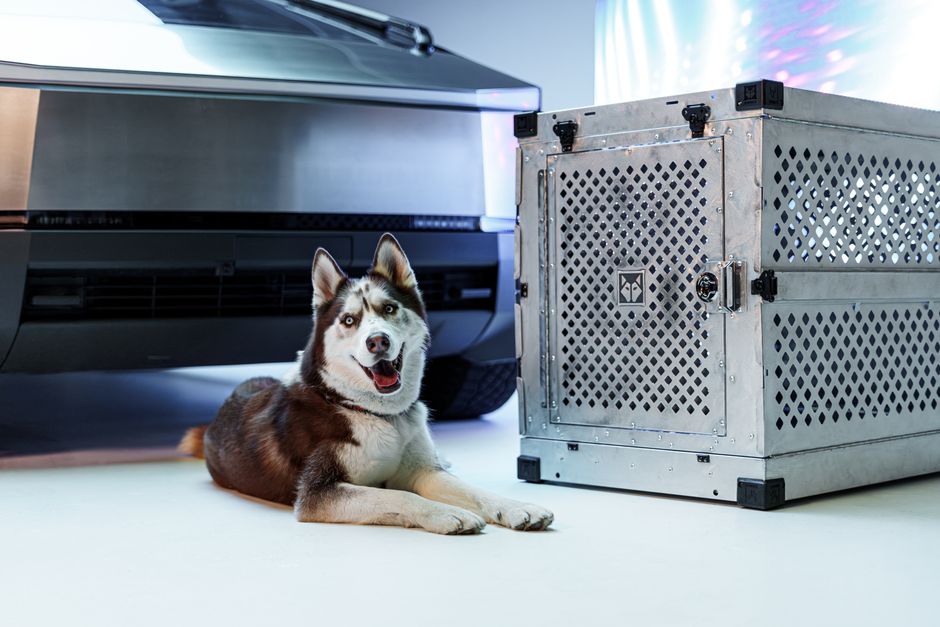
What to Do If Your Husky Has Already Destroyed Their Crate
First, check for any injuries from sharp metal edges or plastic splinters. Then assess the damage. If the crate is compromised, repair it with heavy-duty zip ties, metal patches, or new bolts. However, if your husky managed to bend bars or break latches, consider upgrading to a stronger crate immediately. Temporary option: use a metal playpen with a cover and secure the top to prevent climbing out.
Products to Prevent Crate Destruction
| Product | Key Features | Best For |
|---|---|---|
| Impact High Anxiety Crate | Welded steel, double lock, chew-proof | Severe escape artists |
| ProSelect Empire Crate | Heavy-duty wire, reinforced door, removable tray | Moderate chewers |
| Kong Extreme Goodie Bone | Black rubber for tough chewers | Durable chewing |
| Outward Hound Puzzle Toy | Sliding compartments, treats | Mental stimulation |
| Adaptil Diffuser | Synthetic pheromone for calming | Anxiety reduction |
When to Seek Professional Help
If crate destruction persists despite your best efforts, consult a certified professional dog trainer or a veterinary behaviorist. They can help identify underlying issues and create a customized plan. In some cases, medication for anxiety may be necessary. Never consider rehoming your husky due to crate issues – they can be resolved with patience and the right approach.
Conclusion
Dealing with a husky that destroys their crate can be frustrating, but it's a symptom of a deeper need for exercise, mental stimulation, security, or freedom from anxiety. By addressing the root cause and using the strategies outlined above, you can create a positive and safe crate experience for both you and your husky. Start implementing these steps today, and you'll soon have a calm, crate-trained companion.