Huskies are known for their vocal nature, and barking at children is a common concern for owners. While it can be alarming, understanding the reasons behind this behavior is the first step to addressing it. This guide explores why huskies bark at kids and provides practical solutions to manage and reduce this behavior.
Understanding Husky Vocal Nature
Siberian Huskies are a vocal breed, using barks, howls, and whines to communicate. They were bred to work in packs and rely on vocalizations for coordination. Barking at children can stem from excitement, anxiety, or confusion. It’s important for differentiate between playful barks and stress-related barking.
Common Reasons Huskies Bark at Children
Excitement and Play
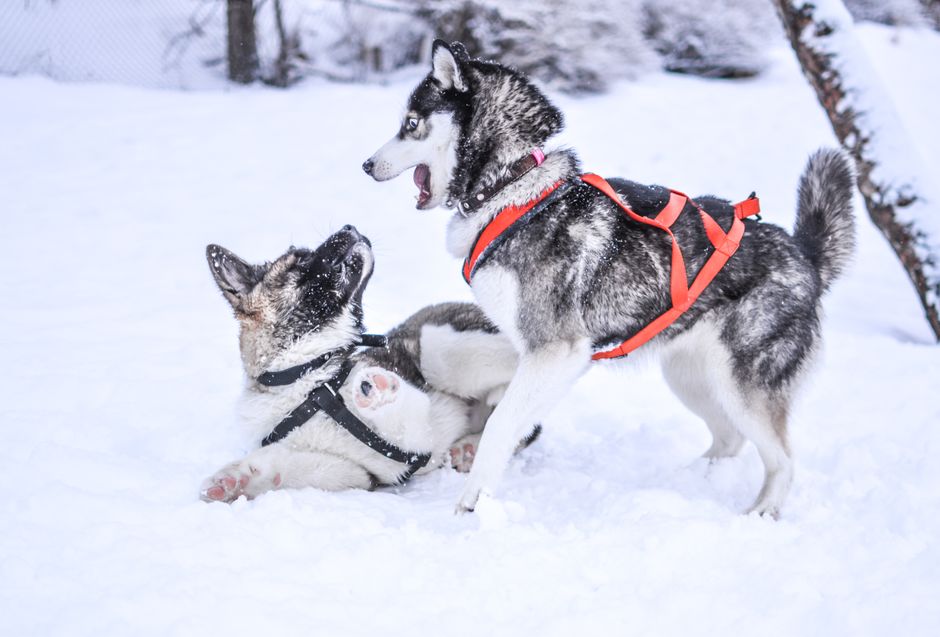
Many huskies bark when they see children because they associate them with fun. Kids often run, scream, and play, which triggers a husky’s prey drive or herding instinct. The bark may be high-pitched and accompanied by a play bow.
Fear or Anxiety
If a husky hasn’t been properly socialized with children, a child’s unpredictable movements or loud noises can be frightening. Fear barking is often lower-pitched, with the dog backing away or showing whale eye.
Protective Instincts
Huskies can be protective of their home and family. If a child is a stranger or behaves aggressively (e.g., pulling tail), the dog may bark to warn them off. This is more common in dogs with strong guarding tendencies.
Attention Seeking
Some huskies learn that barking gets them attention—either positive (treats, petting) or negative (scolding). Children may inadvertently reinforce this by reacting excitedly to the noise.
Lack of Socialization
Dogs not exposed to children during the critical socialization period (up to 16 weeks) may view them as unfamiliar and stressful. Lack of exposure leads to uncertainty and barking.
How to Stop a Husky from Barking at Children
Positive Reinforcement Training
Reward your husky for calm behavior around children. Use high-value treats and praise when they remain quiet. Start at a distance where the dog is relaxed, then gradually reduce the gap.
Desensitization and Counterconditioning
Pair the presence of children with something positive. For example, have a child appear while you give your dog a treat. Over time, the dog learns that children predict good things, reducing fear-based barking.
Teaching the 'Quiet' Command
Train your husky to stop barking on cue. When they bark, say 'quiet' in a firm but calm voice. As soon as they pause, reward them. Repeat consistently until the command is reliable.
Provide Enough Exercise and Mental Stimulation
A tired husky is less likely to bark out of boredom or excess energy. Ensure daily exercise (walks, runs, or pulling games) and mental challenges (puzzle toys, obedience training).
Supervise Interactions
Never leave a husky unsupervised with a child, especially if barking is an issue. Use baby gates or leashes to manage the environment. Teach children to approach the dog properly: avoid sudden movements, no teasing, and respect the dog's space.
When Barking Indicates a Serious Issue
If your husky shows signs of aggression (growling, snarling, snapping) along with barking, seek professional help immediately. Consult a certified dog trainer or veterinary behaviorist. Underlying medical issues, such as pain, can also cause irritability and vocalization.
| Barking Type | Possible Cause | Recommended Action |
|---|---|---|
| High-pitched, playful barks | Excitement or play | Redirect to a toy, train calm greetings |
| Low-pitched, repetitive barks | Fear or anxiety | Desensitize, create space, consult trainer |
| Bark with growl or snap | Aggression or pain | Seek professional behaviorist immediately |
Preventing Future Barking Issues
Prevention starts with early socialization. Expose your husky puppy to children of different ages in controlled settings. Teach bite inhibition and basic commands. Maintain a consistent routine and avoid reinforcing barking with attention. Management tools like white noise machines or calm music can help desensitize your dog to outside noises.
Remember, barking is natural for huskies. The goal is not to stop all vocalizations but to reduce problematic barking and ensure safe, positive interactions between your husky and children.