If you have a Siberian Husky, you may have experienced the puzzling and somewhat embarrassing behavior of your dog peeing when they get overly excited. This is commonly known as excited peeing or excitement urination. While it can be frustrating, especially when it happens during greetings or playtime, it's important to understand that this is a normal physiological response for many dogs, not a sign of disobedience or poor training. In this comprehensive guide, we'll explore why Huskies pee when excited, how to differentiate it from other issues, and practical steps you can take to manage and reduce this behavior.
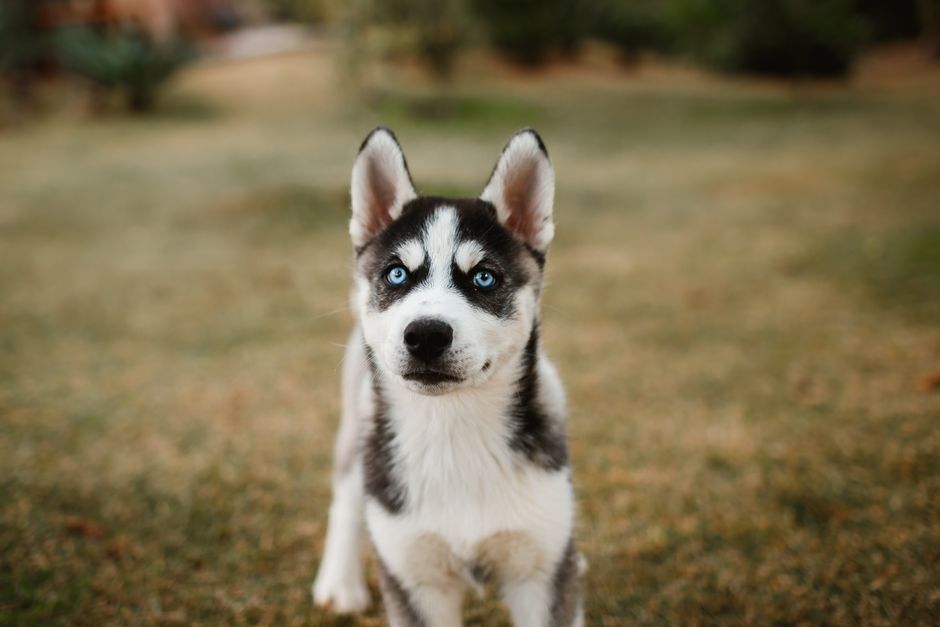
Understanding Why Huskies Pee When Excited
Excitement urination occurs when a dog becomes so overwhelmed with emotion that their body involuntarily releases urine. This is not a conscious act of peeing; it's a reflex triggered by intense feelings like joy, anticipation, or arousal. For Huskies, who are known for their energetic and expressive personalities, excited peeing is relatively common, especially in puppies and younger dogs. The underlying mechanism involves the sympathetic nervous system, which controls the 'fight or flight' response. When a Husky is extremely excited, their body may interpret this as a stress signal, leading to relaxation of the bladder sphincter and subsequent urination. Common triggers include greeting family members after an absence, meeting new people, preparing for a walk, or during intense play sessions.
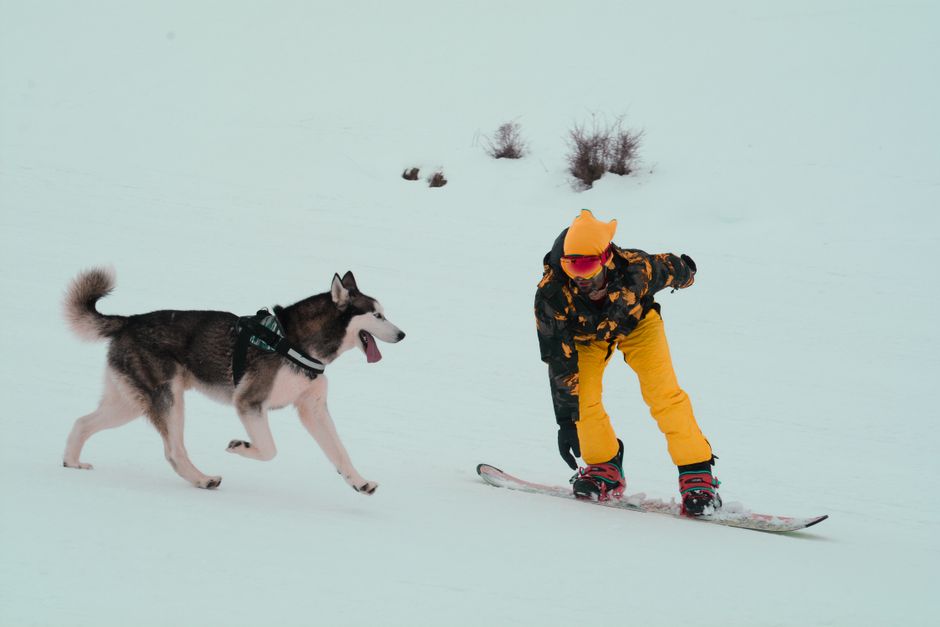
Is Excited Peeing Normal in Huskies?
Yes, excited peeing is considered normal behavior, particularly in puppies. As dogs mature, they usually develop better bladder control and emotional regulation. However, some adult Huskies may continue to exhibit this behavior if they have a very excitable temperament or if the behavior has been inadvertently reinforced. It's important for distinguish between excited peeing and submissive urination, which is often accompanied by cowering, tail tucking, and avoidance. Excitement urination typically occurs with a happy, wiggly posture and a wagging tail. In most cases, excited peeing is not a sign of a medical problem, but if it persists beyond puppyhood or is accompanied by other symptoms, a veterinary check-up is advisable.
How to Identify Excited Peeing vs. Other Issues
It's crucial to correctly identify the type of inappropriate urination to apply the right solution. Here are key differences:
| Symptom | Excited Peeing | Submissive Urination | Medical Issue (e.g., UTI) |
|---|---|---|---|
| Body Language | Happy, wiggly, tail up | Cowering, ears back, tail tucked | May show discomfort, frequent squatting |
| Occurrence | During greetings, play, excitement | When scolded, approached by dominant person/dog | At any time, often with increased urgency |
| Urine Volume | Small amount or few drops | Small amount | Full bladder, large amount |
| Consistency | Only during excitement | Only during perceived threats | Frequent, often with blood or odor |
If your Husky shows signs of pain, excessive thirst, or accidents while resting, consult your veterinarian immediately.
Training Tips to Reduce Excited Peeing
Training to curb excited peeing focuses on helping your Husky stay calm during triggering situations. Punishment is counterproductive because it can cause fear or submissive urination. Instead, use these positive techniques:
Build a Calm Greeting Routine
When you come home or someone visits, avoid making a big fuss. Keep arrivals low-key: ignore your Husky for the first few minutes until they are calm. Then, greet them calmly with a quiet voice. If your Husky gets too excited, turn away and avoid eye contact. Once they settle (even for a second), reward with gentle praise or a treat. Gradually increase the duration of calmness before rewarding.
Desensitization and Counter-Conditioning
Identify specific triggers (e.g., picking up the leash, doorbell, saying 'walkies'). Practice these triggers at a low intensity, pairing them with something positive like treats before your Husky gets overexcited. For example, touch the leash without picking it up, then give a treat. Slowly build up to picking up the leash, moving toward the door, etc. This helps your Husky associate the trigger with calmness and treats, reducing the excitement response.
Positive Reinforcement for Calm Behavior
Reward any calm behavior you see. Whenever your Husky is relaxed, especially in situations that used to trigger excitement urination, give them a treat or praise. This reinforces the emotional state of calmness. You can also teach an incompatible behavior, like 'sit' or 'down,' which encourages a calm posture. When greeting, ask for a 'sit' before petting. If they remain seated, reward generously. Over time, your Husky will learn that sitting leads to good things, and the excitement level will drop.
Management Strategies for Households
While training takes time, you can manage the situation to reduce accidents. Consider these tips:
- Limit triggers: If the doorbell sets off your Husky, use a baby gate to keep them away from the front door during high-traffic times.
- Use absorbent mats: Place washable mats near the door or areas where your Husky greets people. This makes cleanup easier.
- Take your Husky out frequently: Encourage outdoor elimination before potentially exciting events, like walks or visitors. A fully bladder reduces the chance of leakage.
- Use a belly band: For male Huskies, a belly band (a wrap that holds a pad) can catch small amounts of urine without restricting movement. This is a temporary solution during training.
- Stay calm yourself: Dogs pick up on your energy. If you get frustrated, your Husky may become more excited. Take a deep breath and maintain a relaxed attitude.
Medical Causes to Rule Out
Before assuming the behavior is purely behavioral, it's wise to rule out medical issues. Urinary tract infections, bladder stones, or hormone-related problems (like after spaying/neutering) can cause urinary incontinence. Senior Huskies may develop cognitive decline or weakened bladder control. If your Husky suddenly starts excited peeing after being previously housetrained, or if the urination occurs even without excitement, schedule a vet visit. A simple urine test can check for infection or other abnormalities. Your vet may also recommend blood work or imaging if needed.
When to Seek Professional Help
If your Husky continues to excited pee despite consistent training for several months, or if the behavior worsens, consult a professional dog trainer or a veterinary behaviorist. They can observe your Husky, fine-tune your training approach, and rule out any underlying behavioral issues. Additionally, if your Husky also shows signs of anxiety, fear, or aggression, professional guidance is essential. Remember, excited peeing usually resolves with time, patience, and the right techniques, so don't lose hope.
, excited peeing in Siberian Huskies is a common and manageable behavior. By understanding the cause, implementing positive training methods, and managing the environment, you can help your Husky stay calm and keep your floors clean. Consistency and patience are key, and never punish your dog for a reflex they cannot control. With these strategies, you'll both enjoy a happier, more relaxed relationship.