Huskies are renowned for their stunning appearance and spirited personality, but training, their stubborn streak often leaves owners frustrated. This independent nature, rooted in their history as sled dogs, makes standard training approaches less effective. However, with the right understanding and techniques, you can transform your husky's stubbornness into responsiveness. This comprehensive guide explores husky stubborn training behavior, offering practical strategies to achieve a well-behaved companion.
Understanding Husky Stubbornness
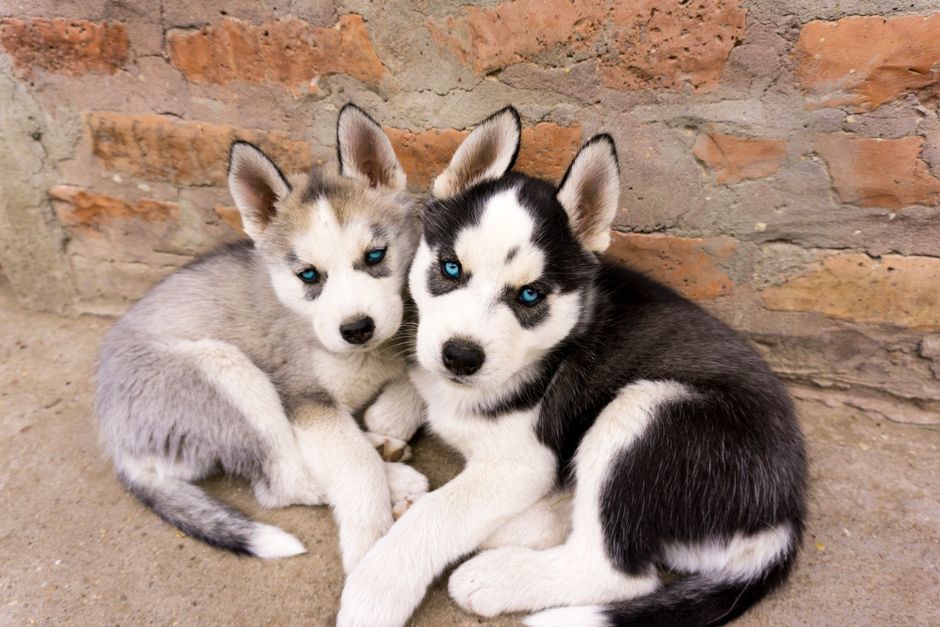
Huskies are not truly stubborn in the negative sense; they are highly intelligent and independent. Bred to make quick decisions while pulling sleds across vast frozen landscapes, they developed a strong will and selective hearing. This means that a husky won't obey a command unless they see a clear benefit. Recognizing this trait is the first step in adapting your training approach.
- Intelligence: Huskies rank moderately in obedience, but they excel at problem-solving. They quickly learn what works for them.
- Independence: Unlike biddable breeds, huskies are not eager to please. They consider requests rather than automatically obey.
- High Energy: A bored husky is more stubborn. Exercise and mental stimulation are non-negotiable for training success.
Common Training Challenges
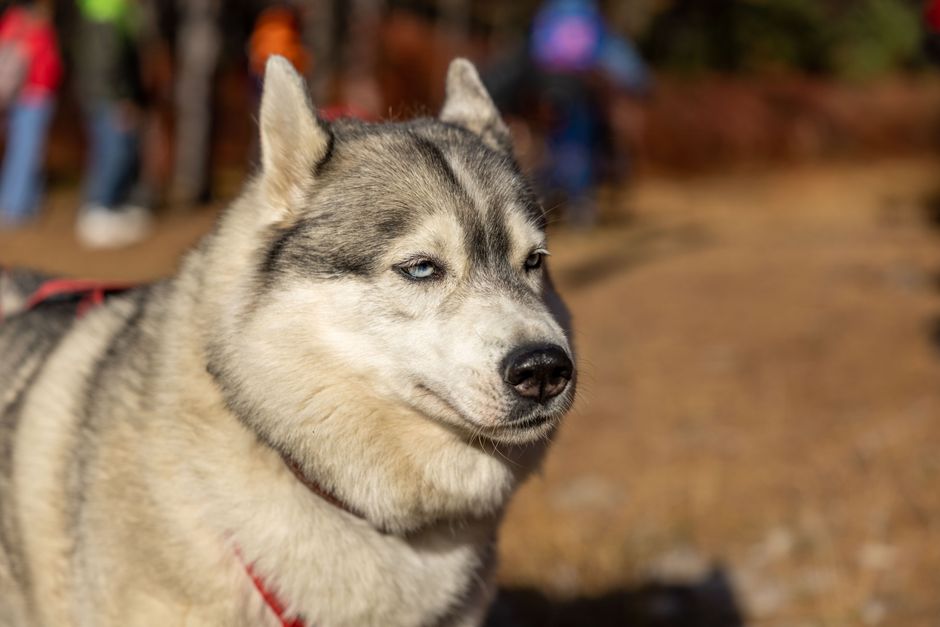
Many husky owners encounter specific issues that test their patience. Recognizing these can help you devise targeted solutions.
| Challenge | Description |
|---|---|
| Ignoring Commands | Huskies often act as if they haven't heard you, especially if something more interesting is happening. |
| Pulling on Leash | Their sledding heritage makes pulling natural. Loose-leash walking requires dedicated training. |
| Escape Artistry | Huskies are master escape artists, digging, jumping, or squeezing through gaps. |
| Selective Hearing | They may obey inside but ignore commands outdoors due to distractions. |
Effective Training Strategies for Stubborn Huskies
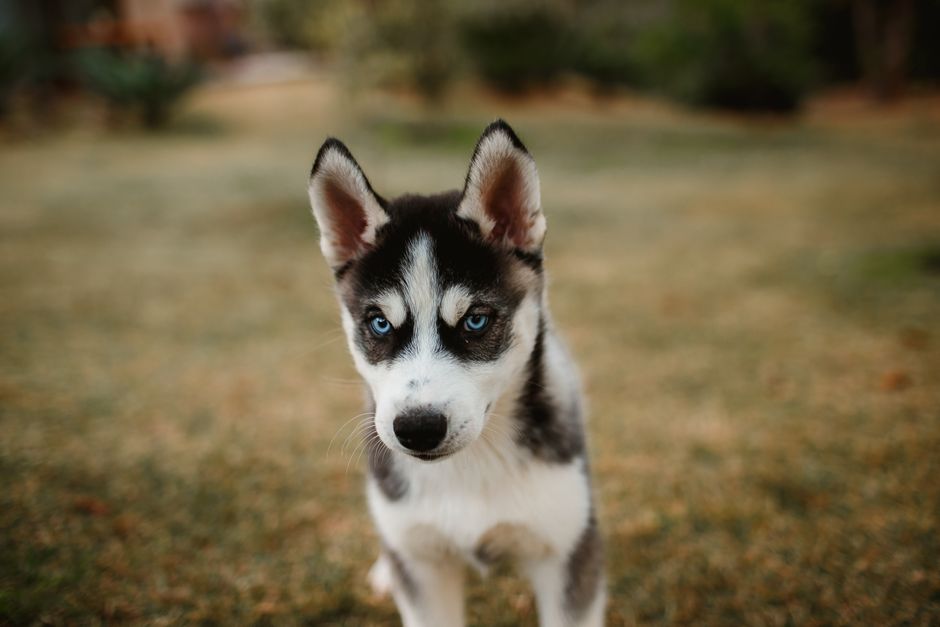
Traditional dominance-based methods often backfire with huskies. Instead, focus on building motivation and trust.
Positive Reinforcement
Huskies respond best to rewards they genuinely value. Use high-value treats (small pieces of chicken, cheese, or liver), enthusiastic praise, or play with a favorite toy. Reward immediately after a desired behavior to connect the action with the payoff.
Consistency and Routine
Set clear rules and stick to them. If you allow your husky on the couch sometimes but not others, confusion will lead to stubborn testing. Use consistent verbal cues and hand signals. Train at the same time each day to create a predictable structure.
Short and Engaging Sessions
Huskies have short attention spans for repetitive tasks. Keep training sessions to 5–10 minutes, two to three times daily. Incorporate games like hide-and-seek or fetch with commands to make learning fun.
Use High-Value Rewards
Low-value kibble won't motivate a stubborn husky. Reserve special treats only for training. Rotate rewards to prevent boredom. If your husky loves squeaky toys, use that as a reward for commands like "drop it" or "leave it."
Avoid Punishment
Scolding, yelling, or physical corrections can damage trust and increase stubbornness. Huskies may shut down or become defiant. Instead, ignore unwanted behaviors and redirect to a positive alternative. For example, if your husky jumps, turn away and reward only when all four paws are on the ground.
Basic Commands Training
Start with essential commands in low-distraction environments, then gradually add challenges.
- Sit: Hold a treat above your husky's nose, move it back over their head. As their bottom hits the floor, say "sit" and reward. Practice until reliable.
- Stay: Ask your husky to sit, then open your palm in front of their face and say "stay." Take one step back, return, and reward. Gradually increase distance and duration.
- Come: This is critical for safety. Use a long leash in a secure area. Crouch down, say "come" in an excited tone, and reward generously. Never call your husky for something unpleasant like a bath.
- Leave It: Place a treat in your closed hand. Let your husky sniff. Say "leave it" and wait until they look away. Reward with a different treat from your other hand. Practice with items on the ground.
Leash Training for Pulling
Harnessing your husky's pulling instinct is key. Use a front-clip harness that turns the dog to the side when they pull. Stop walking immediately when tension occurs. Only move forward when the leash is loose. Practice "watch me" to redirect attention to you. For persistent pullers, consider a head halter (with proper acclimation).
Addressing Escape Artist Behavior
Huskies are notorious for escaping. Secure your yard with buried fencing and a locked latch. Provide plenty of exercise and mental stimulation to reduce the urge to roam. Teach a solid "stay" and practice in the yard. Use puzzle toys and sniffing games to tire their clever minds.
Socialization and Mental Stimulation
A well-socialized husky is less likely to act stubborn out of fear or excitement. Expose your dog to various people, dogs, sounds, and environments positively. Mental exercise is as important as physical: hide treats around the house, teach tricks, or use interactive feeders. A tired husky is a more obedient husky.
When to Seek Professional Help
If your husky's stubbornness leads to aggression, severe anxiety, or you've tried everything without progress, consult a certified positive reinforcement trainer. They can assess underlying issues and create a customized plan. For escape problems or leash reactivity, professional guidance can prevent accidents.
Training a stubborn husky requires patience, creativity, and a strong bond. Embrace their independent spirit and use it to your advantage. With consistent positive methods, you can overcome husky stubborn training behavior and enjoy a harmonious relationship with your magnificent dog.