Understanding Husky Behavior: The Foundation of Training
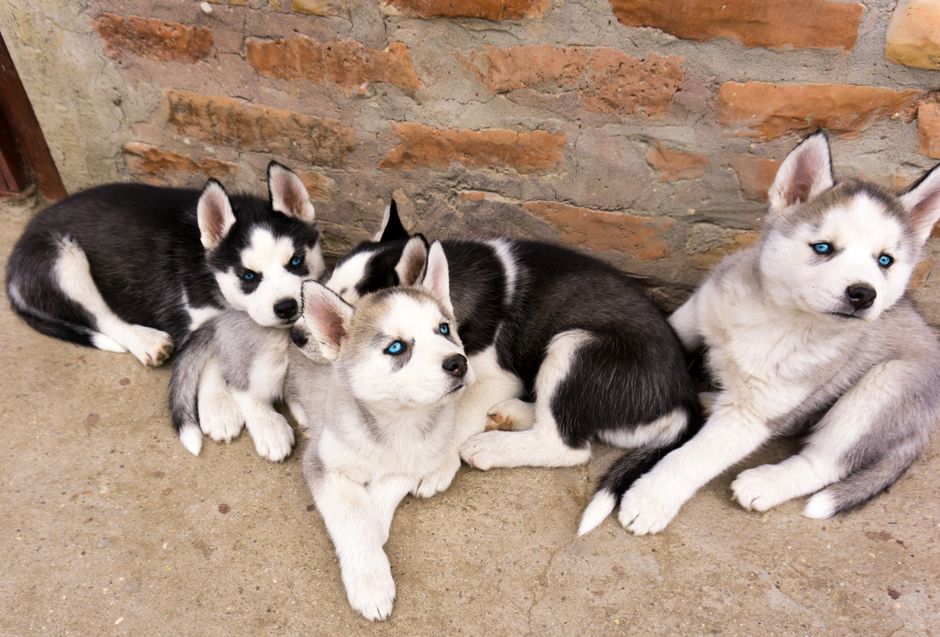
Siberian Huskies are intelligent, independent, and energetic dogs originally bred to pull sleds over long distances. These traits make them unique companions but also present specific behavioral challenges. Before diving into training techniques, it's crucial to understand their natural instincts: a strong prey drive, a tendency to howl, a love for digging, and a pack-oriented mentality. Recognizing these behaviors allows you to tailor your training approach effectively.
Positive Reinforcement: The Key to Husky Obedience
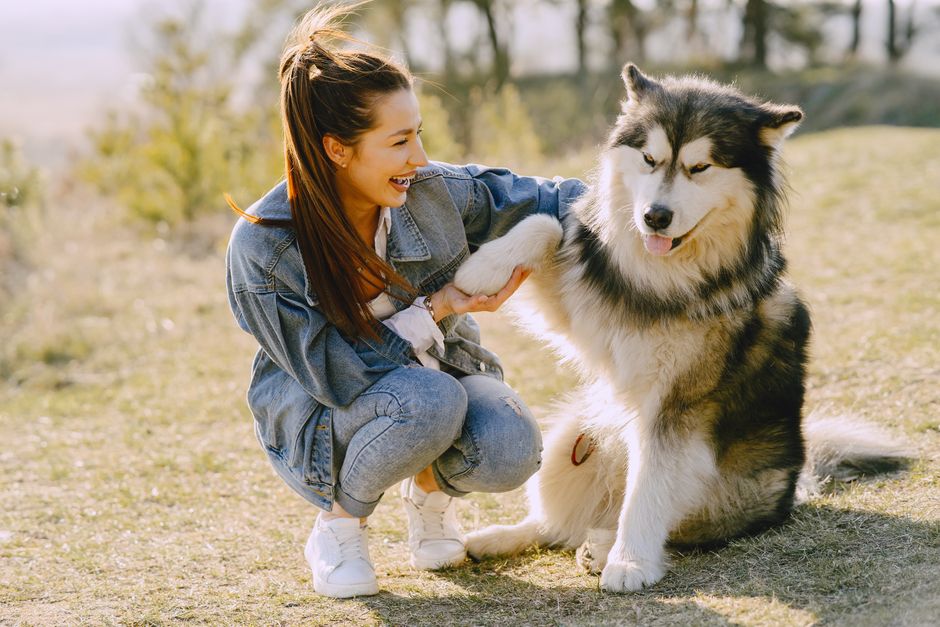
Huskies respond best to positive reinforcement methods. Punishment-based techniques can backfire, leading to fear or defiance. Use treats, praise, and play as rewards for desired behaviors. Keep training sessions short (5-10 minutes) and fun. For example, when teaching 'sit,' hold a treat near their nose and move it upward; as their head follows, their rear will lower. Say 'sit' the moment they do and reward. Consistency is vital—use the same cues and rewards every time.
Basic Obedience Commands Every Husky Should Know
Sit, Stay, and Come
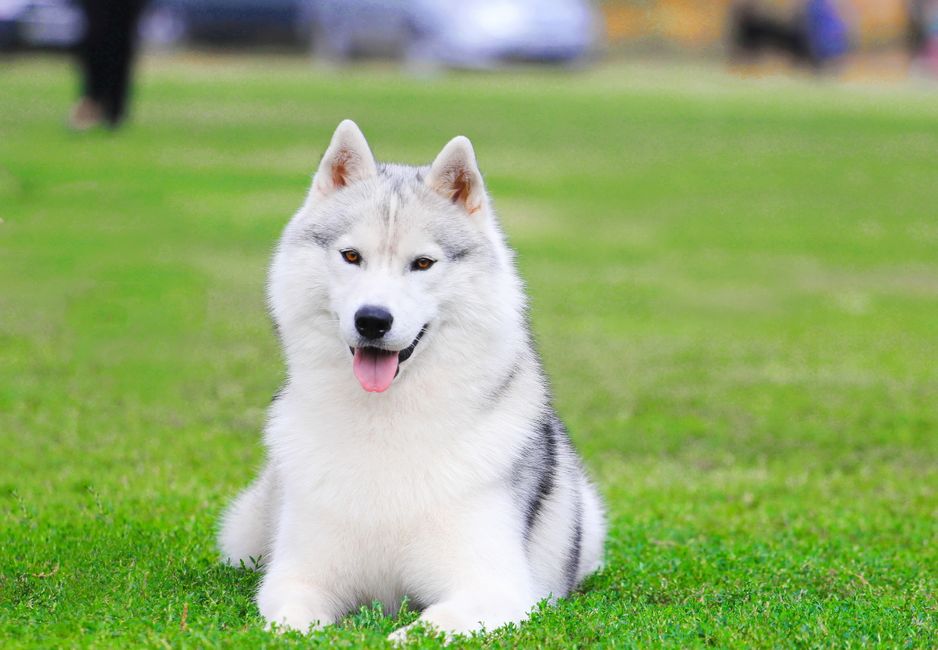
Start with 'sit' as described. For 'stay,' ask your husky to sit, then extend your palm and say 'stay.' Take a step back; if they remain, return and reward. Gradually increase distance and duration. For 'come,' use a happy tone and reward immediately when they reach you. Practice in low-distraction areas first. These commands build a foundation for safety and control.
Heel and Loose-Leash Walking
Huskies are natural pullers. To teach 'heel,' hold a treat at your side and walk. When your dog stays by your leg without pulling, reward. Use a front-clip harness or head collar for more control. Stop walking if they pull; resume only when the leash is slack. Practice in quiet areas before moving to busier environments.
Crate Training and Housebreaking
Crate training provides a safe den for your husky and aids in housebreaking. Choose a crate large enough for them to stand, turn, and lie down. Introduce it positively with treats and toys. Feed meals inside the crate to create positive associations. For housebreaking, take your husky outside frequently—especially after eating, drinking, waking, and playing. Reward elimination outdoors. Never punish accidents; clean with an enzymatic cleaner to remove odors.
Socialization: Key to a Well-Adjusted Husky
Early socialization (from puppyhood) prevents fear and aggression. Expose your husky to various people, dogs, animals, sounds, and environments in a controlled, positive manner. Enroll in puppy classes. For adult dogs, proceed slowly with desensitization. Use high-value treats to create positive associations. A well-socialized husky is less likely to develop problematic behaviors like excessive barking or reactivity.
Addressing Common Husky Behavioral Issues
Excessive Howling and Barking
Huskies are vocal by nature. Howling is communication; barking can be a sign of boredom or anxiety. Provide ample exercise and mental stimulation. Teach 'quiet' by rewarding silence and gradually increasing the duration before rewarding. If howling persists, consider a vet check for medical causes.
Digging and Escaping
Huskies dig to cool down, hide food, or out of boredom. Provide a designated digging pit with loose soil. Ensure your yard is escape-proof (fences must be high and secure). Huskies are known escape artists—check for gaps and reinforce gates. For indoor digging, redirect to a toy or puzzle.
Chewing and Destructive Behavior
Provide appropriate chew toys (e.g., Kongs, Nylabones) and rotate them to maintain interest. Exercise your husky before leaving them alone to reduce anxiety. Crate training can prevent destruction when unsupervised. If chewing persists, use bitter spray on furniture and offer alternatives.
The Role of Exercise and Mental Stimulation
A tired husky is a well-behaved husky. Aim for at least 1-2 hours of vigorous exercise daily (running, biking, hiking). Mental stimulation is equally important: puzzle toys, obedience training, nose work, and agility. Without adequate outlets, huskies will invent their own (often destructive) entertainment. Incorporate training into play—e.g., practice 'stay' before throwing a ball.
Advanced Training and Activities for Huskies
Huskies excel in activities like mushing (if you have equipment), bikejoring, canicross, and agility. These provide physical and mental challenges. Advanced obedience commands (e.g., 'leave it,' 'drop it') are valuable for safety. Consider enrolling in a dog sport class to channel their energy productively.
Consistency and Patience: The Pillars of Success
Huskies are smart but can be stubborn. Remain calm and consistent. Set clear rules and enforce them every time. Involve all family members in training. If you become frustrated, take a break. training is an ongoing process—even well-trained huskies need practice. Celebrate small victories and never resort to harsh corrections.
Table: Quick Reference – Husky Behavior Training Tips
| Behavior | Training Approach | Key Tips |
|---|---|---|
| Pulling on leash | Loose-leash walking with stop-and-go | Use front-clip harness; reward for slack leash |
| Jumping on people | Ignore and reward four paws on floor | Ask for 'sit' before greeting |
| Counter surfing | Management and 'leave it' command | Keep counters clear; reward ignoring food |
| Aggression towards other dogs | Desensitization and counterconditioning | Keep distance; reward calm behavior; consult a professional if severe |
By understanding the unique nature of the Siberian Husky and applying consistent, positive training methods, you can shape a well-behaved and happy companion. Remember, training is not a one-time event but a lifelong commitment to communication and bonding. For persistent issues, don't hesitate to seek help from a certified dog trainer experienced with the breed.