Understanding the Husky Mindset
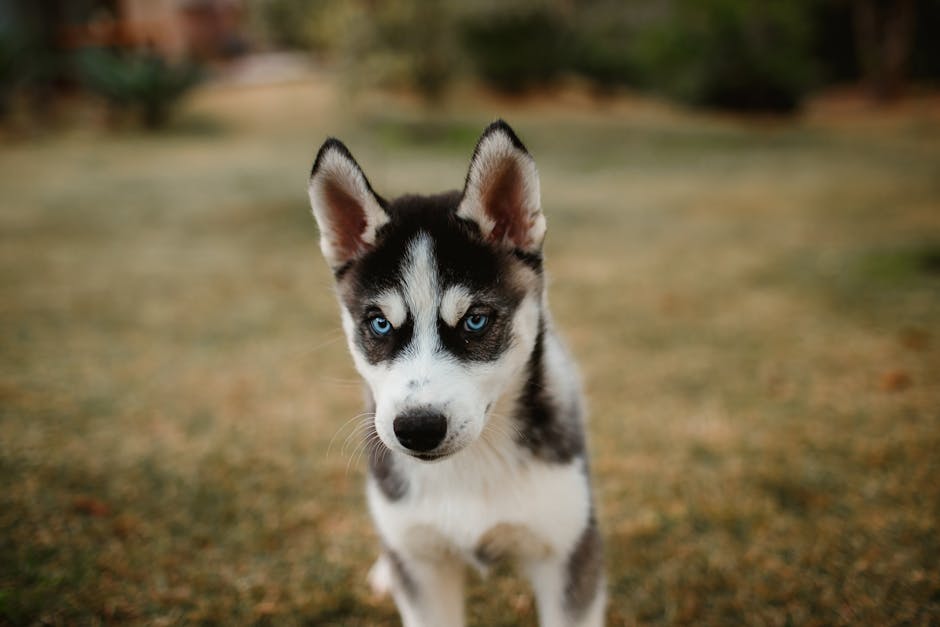
Siberian Huskies are intelligent, independent, and pack-oriented dogs with a strong will. They were bred to think for themselves while pulling sleds across vast frozen landscapes, which means they don't blindly obey commands. Stubbornness is not defiance but a survival trait. To train a stubborn Husky, you must first understand that they respond best to leadership that is consistent, respectful, and rewarding. They will test boundaries, but with the right approach, you can channel their intelligence into cooperative behavior.
The Foundation: Building Trust and Respect
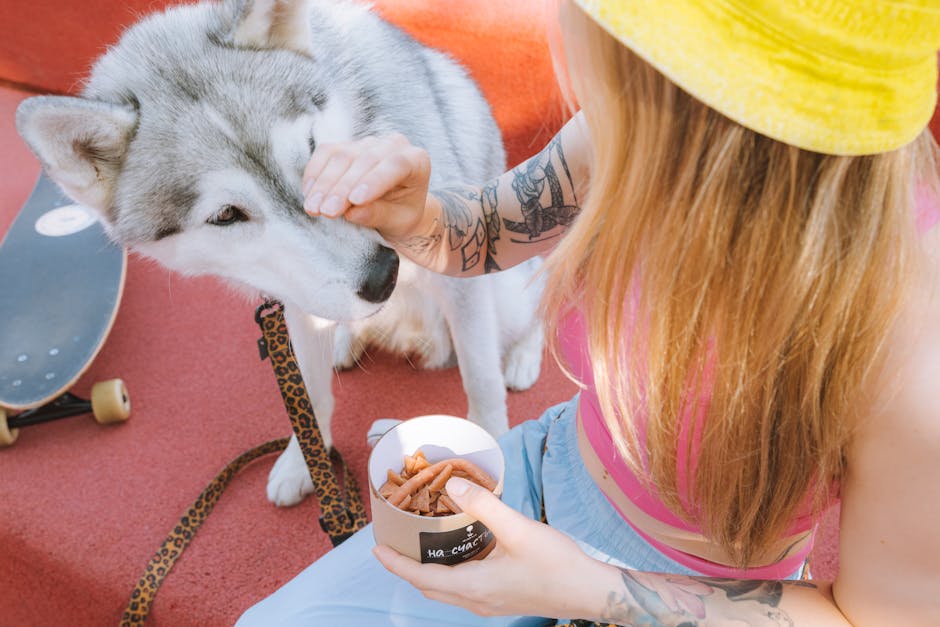
Before any formal training, establish a bond of trust. Huskies are pack animals and need a confident leader. Spend quality time playing, grooming, and hand-feeding treats. Use positive reinforcement—never harsh punishment, which can break trust and increase stubbornness. Respect their independence by giving choices when appropriate (e.g., “Sit” before a treat is not optional, but “Which toy?” is). A Husky that respects you will be more willing to comply.
Key Trust-Building Activities
- Daily structured walks (you lead, they follow)
- Interactive games like tug-of-war (with rules: they must release on command)
- Hand feeding during mealtime to reinforce your role as provider
Effective Obedience Training Techniques
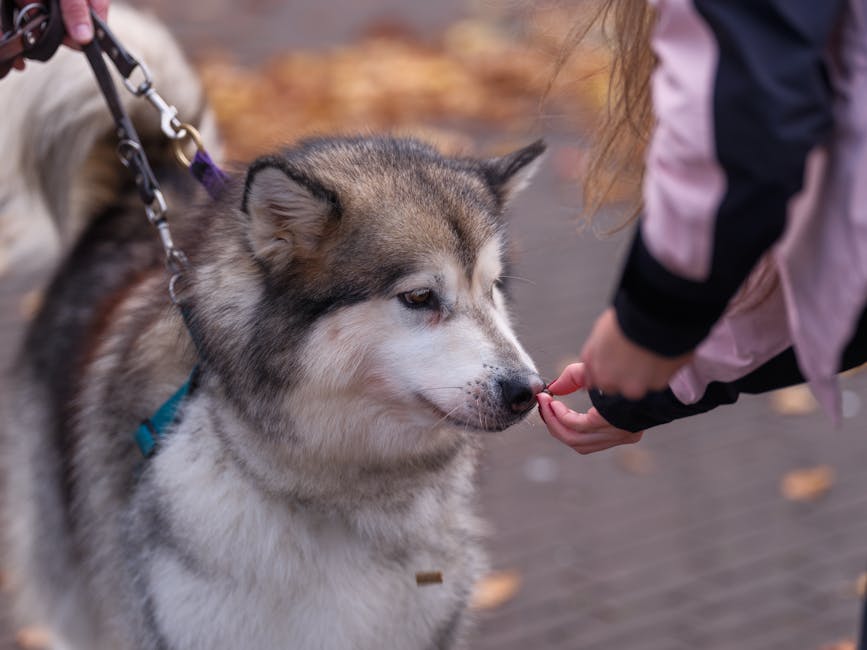
Huskies are smart but easily bored. Keep training sessions short (5-10 minutes) and focused. Use high-value rewards (chicken, cheese, freeze-dried liver) as they are often not motivated by kibble. Below are techniques that work with stubborn individuals.
1. The “Nothing in Life is Free” Program
Expect your Husky to work for everything: sit before the door opens, down before meals, stay before releasing to play. This establishes you as the resource controller and builds impulse control.
2. Capturing and Shaping
Capture natural behaviors (e.g., when they lie down, mark it with “yes” and reward). Shape complex behaviors by rewarding small steps toward the final goal. For example, for “stay,” reward for one second, then three, then five, gradually increasing.
3. The Three D’s: Duration, Distance, Distraction
Train each cue separately: first with no distraction, then add distance, then duration. Finally combine. If your Husky fails, reduce criteria. Success builds confidence.
| Command | Step 1 (Low Distraction) | Step 2 (Moderate Distraction) | Step 3 (High Distraction) |
|---|---|---|---|
| Sit | In quiet room | In backyard | At dog park entrance |
| Stay | 1 second | 3 seconds | 5 seconds |
| Come | 3 feet away | 10 feet away | 20 feet away |
Addressing Common Behavior Problems
Leash Pulling
Huskies love to pull—it’s in their genes. Use a front-clip harness or a head halter. Teach “loose leash walking” by stopping when they pull and rewarding when they return to your side. Consistency is key; never let pulling succeed.
Escape Artist Tendencies
Huskies are notorious diggers and jumpers. Ensure your fence is at least 6 feet high and extends underground. Provide digging pits (sandbox) and plenty of exercise. Training a strong “stay” and “leave it” can prevent escapes.
Howling and Vocalization
Huskies howl to communicate. Manage it by giving a cue like “quiet” and rewarding silence. Use desensitization to common triggers (doorbell, sirens). Mental stimulation often reduces boredom-induced vocalization.
Advanced Training: Mental Stimulation and Challenges
A bored Husky will invent destructive “games.” Incorporate advanced training that taps into their problem-solving skills: agility, rally obedience, or nose work. Trick training also helps. Teach fun behaviors like “play dead” or “spin.” Huskies thrive on novelty, so rotate toys and introduce puzzle feeders. Consider enrolling in a dog sport to channel their energy positively.
Consistency and Patience: The Keys to Success
Training a stubborn Husky is a marathon, not a sprint. Every family member must use the same cues and rules. Schedule daily training sessions (even 5 minutes twice a day). Never get frustrated—if you feel anger, end the session on a good note. Celebrate small victories. With time, patience, and positive methods, your independent Husky can become a well-mannered companion. Remember, their stubbornness is part of their charm; you’re not breaking their spirit, you’re shaping a partnership.