If you’re considering adding a Siberian Husky to your family, one of the first questions you’ll likely ask is, “Are Huskies easy to train?” The short answer is: not really. Huskies are notoriously independent, intelligent, and stubborn. But that doesn’t mean they can’t be trained—it just takes a different approach than with more biddable breeds like Golden Retrievers. This comprehensive guide will walk you through everything you need to know about training a Husky, from understanding their unique mindset to practical step-by-step techniques.
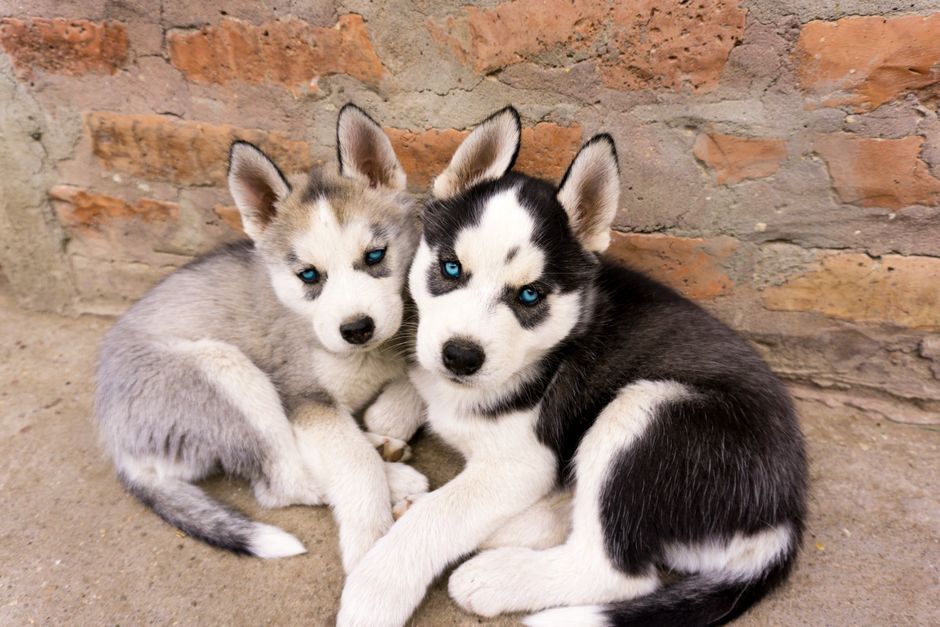
Understanding the Husky Temperament
Before diving into training methods, it’s crucial to understand what makes a Husky tick. Bred originally as sled dogs, Huskies were developed to work in harsh Arctic conditions, often making independent decisions during long runs. This independence is hardwired into their DNA. They are not natural people-pleasers like some herding breeds. Instead, they think for themselves and will only obey a command if they see a personal benefit or if the relationship with you is strong enough.
Key personality traits that affect training:
- Intelligence: Huskies are highly intelligent and can quickly figure out what you want—they just may choose not to do it.
- Stubbornness: They have a strong will and will test boundaries repeatedly.
- High energy: A bored or under-exercised Husky is a destructive, unmanageable Husky. Training sessions must be short and fun.
- Escape artist tendencies: Their independent nature can lead to digging under fences or learning how to open doors.
Understanding these traits helps set realistic expectations. A Husky will rarely be as obedient as a Labrador, but with the right approach, you can have a well-mannered companion.
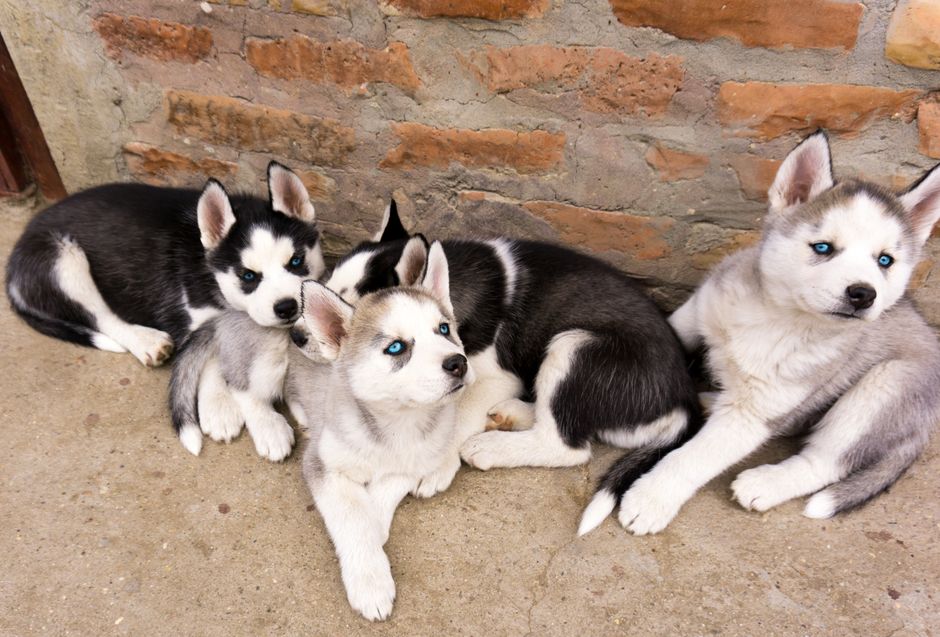
Start Early: Socialization and Basic Obedience
The most critical period for training a Husky is puppyhood. Begin socialization immediately (after vaccinations) by exposing your puppy to different people, dogs, environments, and sounds.
- Puppy classes: Enroll in a reputable puppy kindergarten class. The controlled environment helps with socialization and basic cues.
- Home basics: Start with ‘sit’, ‘stay’, ‘come’, ‘down’. Use high-value treats (small pieces of cheese, boiled chicken, or freeze-dried liver) because Husky motivation comes from food, play, or freedom.
- Crate training: Crate training is important for a Husky. It prevents destruction when unsupervised and provides a safe den-like space. Make the crate cozy and never use it as punishment.
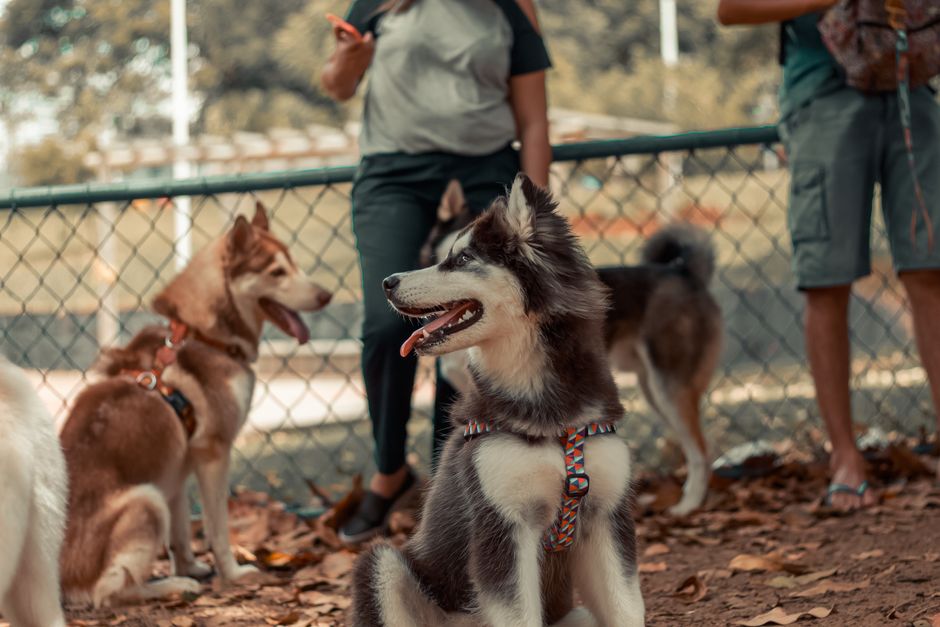
Be the Pack Leader: Earning Respect
Huskies are pack animals and respect a confident, consistent leader. If you don’t assert gentle but firm leadership, your Husky will assume the role—often leading to behavioral issues.
Tips to establish leadership:
- Control resources: Always make your Husky work for food, toys, or access to outside. Require a ‘sit’ before giving the bowl or opening the door.
- Be consistent: Everyone in the household must use the same commands and rules. If jumping is not allowed, no one should allow it.
- Body language: Stand tall and use a calm, firm tone. Avoid yelling, which Huskies often ignore or interpret as excitement.
Remember: a leader doesn’t need to be harsh. Positive reinforcement builds a stronger bond than fear-based methods.
Use Positive Reinforcement: Rewards Over Punishment
Huskies do not respond well to punishment—they hold grudges, and harsh corrections can damage trust. Positive reinforcement is the gold standard for this breed.
- Treats: High-value treats are a must. Use tiny pieces so you can reward frequently without overfeeding.
- Play: Some Huskies love a game of tug or fetch as a reward. Use what motivates your dog.
- Verbal praise: Tone matters more than words. Use enthusiastic praise immediately after the desired behavior.
- Timing: Mark the exact moment with a clicker or the word “Yes!” then reward within 1 second.
Master the Recall: The Most Crucial Command
A Husky with a poor recall is a risky dog. They love to run and may ignore you if they see a squirrel or other interesting thing. Recall must be trained to a very high level, preferably with a long line for safety.
Step-by-step recall training:
- Start indoors with low distractions. Say your dog’s name + “come!” and when they move toward you, reward.
- Gradually increase distance and distractions. Use a long training leash (15-30 feet) in a secure area.
- Never call your dog to scold them. Always make coming to you a positive experience.
- Practice “emergency recall” with an extra high-value reward, like a whole hot dog – use only for urgent situations.
Even with perfect training, many Huskies are never trustworthy off-leash. Accept that and use a secure harness and leash for walks.
Handle Stubbornness: Patience and Consistency
You’ll likely encounter moments where your Husky simply stares at you and ignores a command. Do not repeat the command over and over. That teaches them that “sit” actually means “sit… maybe… after you ask five times.”
What to do:
- Wait 10 seconds. If no response, gently guide them into position (e.g., push their rear down for ‘sit’).
- If you ask for ‘down’ and they refuse, don’t force – instead, lure with a treat under your hand.
- If your Husky is too distracted, lower your criteria (e.g., reward any attempt) or move to a quieter environment.
- End each session on a positive note – ask for an easy command they know and reward.
Consistency is more important than perfection. Train short sessions (5-10 minutes) several times a day rather than one long session.
Manage Prey Drive and Distractions
Huskies have a strong prey drive. Small animals, running children, bicycles – all can trigger a chase. You cannot train this out entirely, but you can manage it.
- Work on “leave it” and “drop it” with high-value trade items.
- Use a head halter or no-pull harness for walks if your Husky lunges.
- Keep your dog leashed or in a securely fenced yard. Huskies are escape artists, so check fences regularly for weaknesses.
Training a solid “look at me” cue helps redirect attention before the chase starts.
Crate Training and Housebreaking
Housebreaking a Husky can be challenging because of their independent nature, but crate training helps. They are naturally clean and will avoid soiling their den.
Housebreaking protocol:
- Take puppy out frequently: every 2 hours, after meals, after naps, after play.
- Use a consistent spot outside. Praise and treat when they potty.
- Never punish accidents; clean thoroughly with enzymatic cleaner.
- If you catch them in the act, make a noise to interrupt, then rush them outside.
Huskies can be stubborn about housebreaking, but patience and a strict schedule will pay off.
Common Training Challenges and Solutions
| Challenge | Solution |
|---|---|
| Refusing to come when called | Use recall games, always reward, never scold. Keep a long line on walks. |
| Pulling on leash | Use a front-clip harness, stop walking when they pull, reward when slack returns. |
| Howling or barking excessively | Provide mental stimulation (puzzle toys) and ensure enough exercise. Ignore attention-seeking noise. |
| Digging | Provide a designated digging area with loose soil, or increase exercise. |
| Stealing food | Manage environment (keep counters clear). Train “leave it”. |
Exercise: The Foundation of Good Behavior
A tired Husky is a trainable Husky. These dogs need vigorous exercise daily – at least 1-2 hours. Without it, training will be difficult because they’ll be too antsy to focus.
Ideal exercise includes:
- Long walks or jogs
- Off-leash play in a secure, fenced area (if recall is good enough)
- Canicross (running with a harness)
- Dog sports like agility or bikejoring
- Mental stimulation: puzzle toys, nose work, training sessions
When to Seek Professional Help
If you’re struggling with fear, aggression, or severe stubbornness, consider a professional dog trainer who uses positive reinforcement. They can provide guidance tailored to your Husky’s personality. Avoid trainers who rely on aversive tools (shock collars, prong collars).
Final Verdict: Are Huskies Easy to Train?
No, Siberian Huskies are not easy to train, especially for first-time dog owners. Their independence means you’ll need creativity, patience, and consistency. However, with the right techniques, respect, and a strong bond, you can achieve a well-behaved Husky. The key is to accept that they will never be robotically obedient – they retain their unique personality. Embrace their quirks, train with positivity, and you’ll have a loving, adventurous companion.
Remember: Every Husky is an individual. Some are more biddable than others. But overall, this breed requires a committed owner who is ready for a challenge. The reward is a loyal, spirited dog that brings joy and excitement to your life.