If you’re a new Siberian Husky owner, one of the most common questions you’ll have is: when do husky ears stand up? Those adorable floppy puppy ears are cute, but eventually, they should stand erect—a hallmark of the breed. Understanding the timeline, factors involved, and how to support healthy ear development will help you ensure your Husky grows up with the correct ear set.
Typical Timeline for Husky Ear Standing
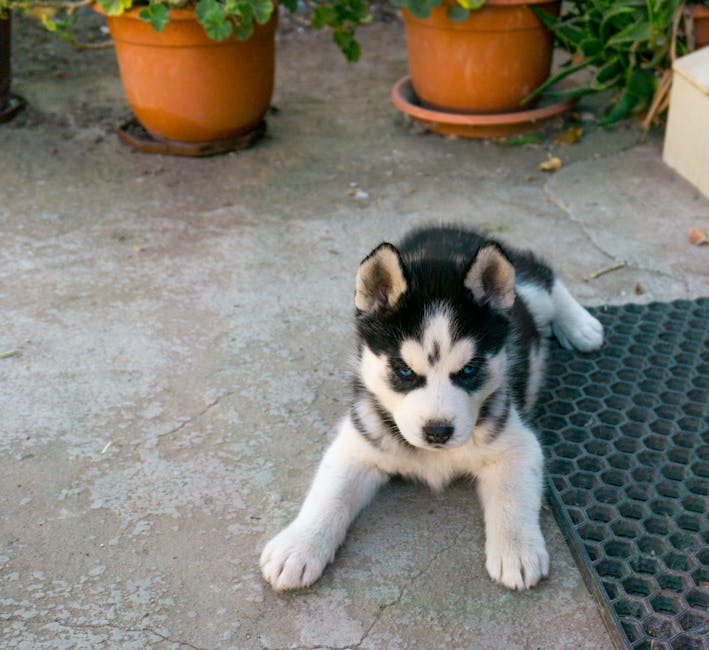
Most Siberian Husky puppies are born with soft, floppy ears that begin to firm up and stand erect between 3 and 6 months of age. However, this is not an exact science. Some puppies may show ear cartilage stiffening as early as 8 weeks, while others may take up to 7–8 months. The process is gradual and can happen unevenly—one ear may stand up before the other.
| Age | Ear Development Stage |
|---|---|
| 0–2 months | Ears are completely floppy and soft. |
| 2–4 months | Cartilage begins to stiffen; ears may start to lift at the base. |
| 4–6 months | Ears typically become fully erect, though some puppies may take longer. |
| 6–8 months | Late bloomers; if still floppy, consult a vet. |
Factors That Influence When Ears Stand Up
Genetics
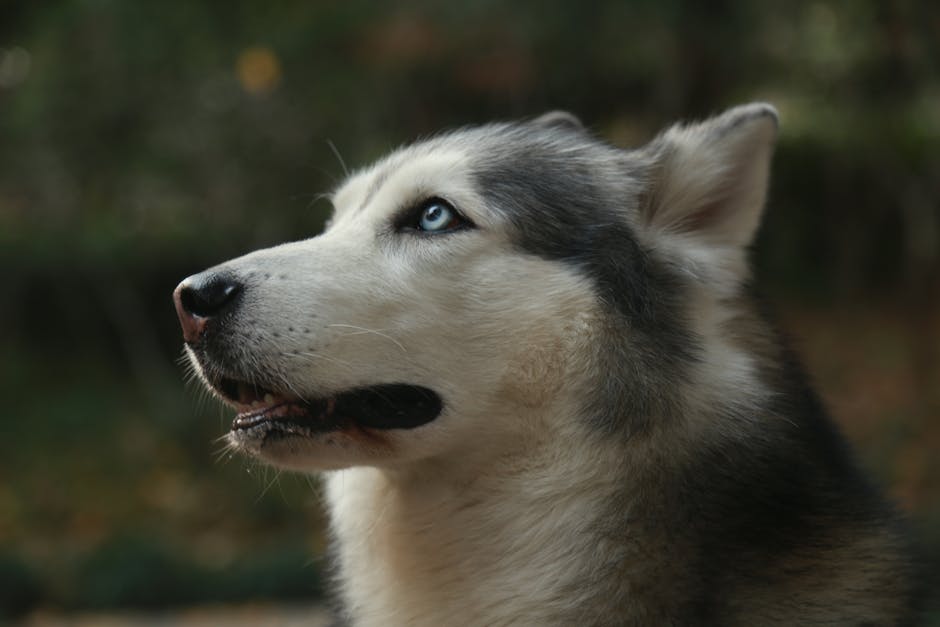
The most significant factor is genetics. If your Husky’s parents have strong, erect ears, your puppy is more likely to follow suit. Conversely, lines with weaker ear cartilage may produce puppies with floppy ears for longer periods. Always ask your breeder about ear history in the lineage.
Nutrition
Proper nutrition is critical for cartilage development. Ensure your puppy’s diet includes adequate protein, calcium, phosphorus, and vitamins (especially vitamin D and C). High-quality puppy food formulated for large breeds can support healthy bone and cartilage growth. Avoid over-supplementing calcium, as it can cause skeletal problems.
Teething
Teething can temporarily affect ear positioning. The process of adult teeth coming in (between 3–6 months) diverts calcium and other nutrients, sometimes causing ears to droop. This is normal—once teething ends, ears typically return to their upright state.
Ear Trauma or Infection
If your puppy frequently plays roughly, scratches its ears, or suffers from ear infections (like hematomas or otitis), the cartilage can become damaged and fail to stand properly. Keep ears clean and monitor for redness, swelling, or odor.
When Should You Worry?
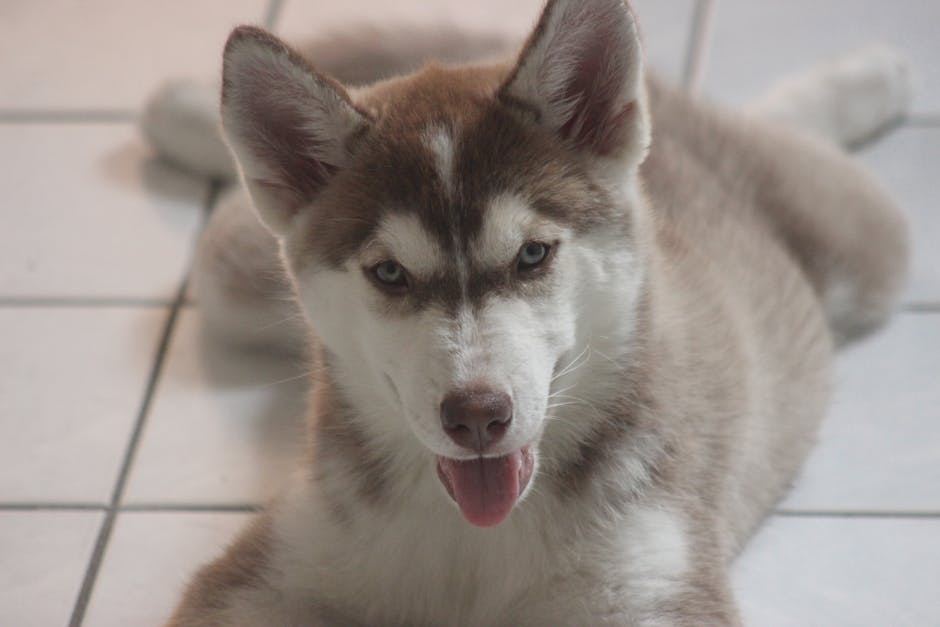
If your Husky is over 8 months old and both ears remain completely floppy, it might indicate a problem. However, it’s not uncommon for some purebred Huskies to naturally have slightly softer ears. Consult your veterinarian to rule out:
- Genetic cartilage weakness
- Ear infections or mites
- Nutritional deficiencies
- Previous ear trauma
In rare cases, surgical intervention (ear taping) may be considered, but it should only be done under veterinary guidance to avoid pain or deformity.
How to Help Your Husky’s Ears Stand Up
Provide a Balanced Diet
Feed a high-quality puppy kibble with appropriate levels of calcium (1–1.5%) and phosphorus. Consult your vet before adding any supplements. Some owners incorporate small amounts of cottage cheese or plain yogurt for calcium, but moderation is key.
Avoid Excessive Ear Handling
While it’s tempting to massage those floppy ears, excessive touching can weaken cartilage. Let them develop naturally. Also, heavy ear flaps from some play collars can weigh them down—choose lightweight collars.
Keep Ears Clean and Dry
Moisture can soften cartilage. After baths or swimming, gently dry the insides of the ears with a soft cloth. Use a vet-approved ear cleaner to prevent infections that may hinder erect development.
Exercise Caution During Teething
Provide safe chew toys (like rubber Kongs) to help relieve teething discomfort. Avoid hard bones or antlers that could cause jaw fatigue, which might affect ear muscle tension.
Common Myths About Husky Ears
Myth: Taping Ears Always Works
Taping is not recommended for most Huskies. It can cause pain, infection, and permanent damage if done incorrectly. Only consider if advised by a veterinarian for a specific medical reason.
Myth: Floppy Ears Mean Impure Breed
False. Some purebred Huskies have naturally floppy or “rose” ears. The breed standard allows for slightly softer ears, though erect is preferred in the show ring. Many pet-quality Huskies have perfectly normal floppy ears that don’t affect health or temperament.
Myth: You Can Make Ears Stand by Feeding More Calcium
Excess calcium can harm skeletal development, leading to hip dysplasia or angular limb deformities. Stick to balanced puppy food and let nature take its course.
Does Ear Standing Affect Hearing?
Erect ears may provide slightly better sound localization, but floppy ears do not impair hearing. Dogs with floppy ears hear just as well—their ear shape doesn’t affect ear canal function.
When Do Show Huskies Have Erect Ears?
In the show ring, erect ears are preferred. Breeders often select for strong ear cartilage. If you plan to show your Husky, ensure you purchase from a breeder with a history of correct ear set. Even then, some individuals may not meet the standard—that’s okay for a loving pet.
Frequently Asked Questions
My 4-month-old Husky has one ear up and one down—is that normal?
Yes! Asymmetric ear raising is very common. The second ear often follows within a few weeks. Continue proper care and be patient.
Will neutering/spaying affect ear standing?
There’s no evidence that spay/neuter directly affects ear development. However, timing may matter—early spay/neuter (before 6 months) can slow growth plate closure, potentially influencing cartilage. Discuss the best timing with your vet.
Can I use supplements like glucosamine for ear cartilage?
Glucosamine is often used for joints, not ear cartilage. It’s not proven to help ear standing. Stick to a healthy diet and consult your vet before adding any supplements.
My adult Husky’s ears suddenly drooped—why?
If an adult dog’s ears droop suddenly, it could indicate an ear infection, trauma, or even a neurological issue. See your vet promptly.
Conclusion
Patience is key when waiting for your Siberian Husky’s ears to stand up. The process varies widely and can be influenced by genetics, nutrition, and development. Provide a balanced diet, keep ears clean, and avoid excessive handling. If your Husky is over 8 months and ears are still floppy, consult a veterinarian to rule out underlying issues. Remember, ears don’t define your dog’s beauty or health—a floppy-eared Husky is just as wonderful as an erect-eared one!
Recommended Products for Your Husky
As an Amazon Associate, we earn from qualifying purchases. Learn more.
- Husky Care Essentials — Check price on Amazon
- Best-Selling Dog Gear — Check price on Amazon
- Newest Husky Products — Check price on Amazon
Editor's Note
In our experience the four-month fear period blindsides owners. A puppy who loved the vacuum suddenly trembles. We tell clients: don't force it, let them approach. Pushing through it cemented the fear in two cases we handled.
Sources & Further Reading
HuskySpot researches each topic against recognized breed and veterinary authorities. The following organizations inform our content: