Bringing home a Siberian Husky puppy is an exciting adventure, but it also comes with the challenge of potty training. Huskies are intelligent, stubborn, and independent, which can make housetraining a test of patience. However, with the right techniques and consistency, you can successfully potty train your husky puppy. This comprehensive guide covers everything you need to know, from setting up a routine to troubleshooting common problems.
Understanding Your Husky Puppy's Bladder Control
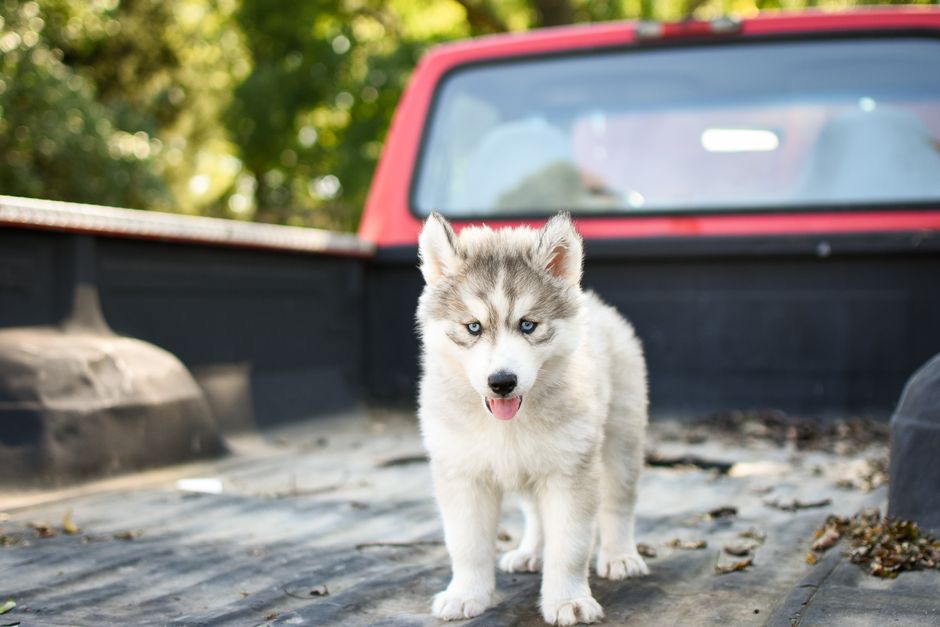
Husky puppies have small bladders and limited control. A general rule: a puppy can hold its bladder for approximately one hour per month of age (e.g., a 2-month-old can hold it for 2 hours). However, this varies by individual. During potty training, you must take your puppy out frequently—every 1-2 hours during the day, immediately after waking up, after eating or drinking, and after playtime. Nighttime requires fewer trips, but young puppies may need a middle-of-the-night break.
Setting Up a Potty Training Schedule
Consistency is key. Create a schedule and stick to it. Here’s a sample timetable for a 8-12 week old husky puppy:
| Time | Activity |
|---|---|
| 7:00 AM | Wake up, immediately go outside |
| 7:15 AM | Breakfast |
| 7:30 AM | Outside again (after meal) |
| 9:00 AM | Potty break |
| 11:00 AM | Potty break |
| 12:00 PM | Lunch |
| 12:15 PM | Outside after meal |
| 2:00 PM | Potty break |
| 4:00 PM | Potty break |
| 6:00 PM | Dinner |
| 6:15 PM | Outside after meal |
| 8:00 PM | Potty break |
| 10:00 PM | Last potty break, then crate for night |
| 2:00 AM (if needed) | Quick potty break for young puppies |
Adjust based on your puppy’s age and cues. Use a crate or confined area when you cannot supervise.
Crate Training for Potty Success
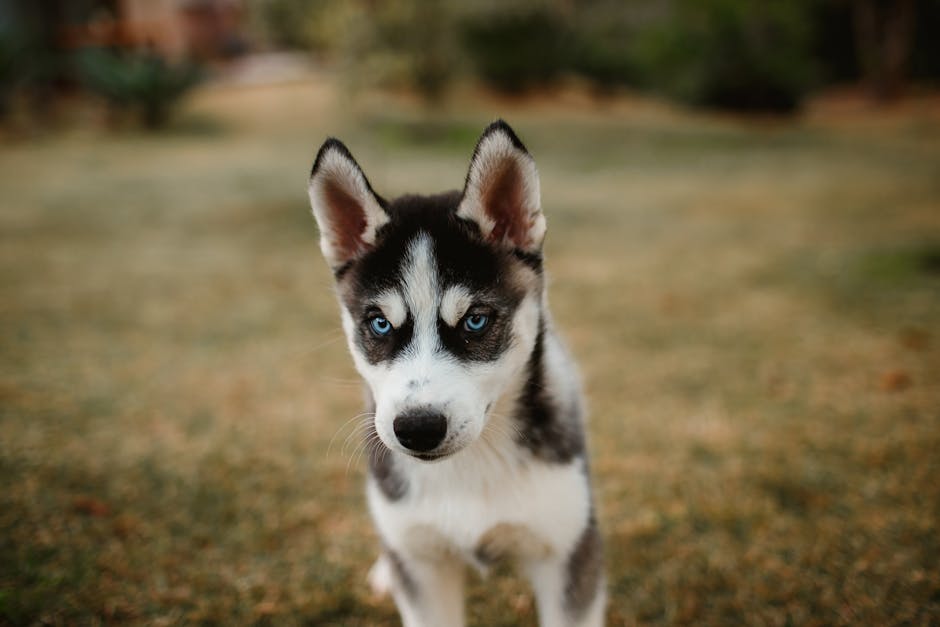
Huskies are den animals and naturally avoid soiling their sleeping area. A properly sized crate can be an effective tool. The crate should be just big enough for your puppy to stand, turn around, and lie down. If too large, your puppy may use one end as a bathroom. Introduce the crate positively with treats and toys. Never use it as punishment. Take your puppy directly from the crate to the potty spot each time you let them out.
Choosing a Designated Potty Spot
Select a specific outdoor area for potty breaks. The scent will encourage your puppy to go there. Take your puppy on a leash to the spot, and use a command like “go potty.” Stay calm and wait. If they eliminate, praise enthusiastically and give a high-value treat. If nothing happens after a few minutes, return to the crate or confine them and try again later. Avoid playing until after they potty.
Accidents Happen: How to Handle Them
Even with the best plan, accidents will occur. Do not punish your puppy—they won’t understand. Interrupt them if you catch them in the act with a firm “ah ah” and immediately take them outside. Clean accidents thoroughly with an enzymatic cleaner to remove odors that attract them back. Never rub their nose in it or yell; that can cause fear and make training harder.
Signs Your Husky Needs to Go
Learn your puppy’s signals: sniffing around, circling, whining, scratching at the door, or suddenly leaving a play session. When you see these, act fast—say “outside” and head to the door. Praise them when they eliminate outside. Over time, they will learn to alert you.
Common Husky Potty Training Challenges
Stubbornness
Huskies are independent and may refuse to go in rain or snow. You can train them to use a specific surface like grass patches or artificial turf. Be patient and persistent. Use high-value treats (cheese, chicken) to motivate.
Excitement Urination
Some husky puppies pee when excited, especially when greeting. This is involuntary and decreases with age. Avoid overwhelming greetings; stay calm and keep greetings low-key. Clean up without fuss.
Submissive Urination
Shy puppies may pee when scared or submissive. Never punish; instead, build confidence with positive training. Avoid direct eye contact and sudden movements.
Regression During Teething or Growth Spurts
Around 4-6 months, some puppies regress. Stick to the schedule, increase supervision, and don’t get discouraged. It’s temporary.
Nighttime Potty Training
Place the crate in your bedroom so you can hear your puppy. For young puppies, set an alarm for a middle-of-the-night bathroom break (e.g., 2-3 AM). Take them out on leash, keep it quiet and boring, then back to crate. As they age, gradually extend nighttime intervals. By 4-5 months, many huskies sleep through the night.
When to Expect Full Housetraining
With consistent training, most huskies are reliably housetrained by 4-6 months. However, some may have occasional accidents until 8-12 months. Patience is crucial. Huskies are smart but can be willful; positive reinforcement works better than punishment. Celebrate every success.
Tips for Apartment or Cold Climate Living
If you live in an apartment, use a designated balcony patch or litter box (with training pads or pine pellets). For cold climates, huskies love snow but may not want to squat on it. Create a small cleared area with dirt or use a portable grass patch. Always reward immediately after they eliminate.
Potty training a Siberian Husky puppy takes time, consistency, and a lot of treats. By understanding their unique personality and following these strategies, you’ll build a strong foundation for a well-behaved adult dog. Remember: accidents are learning opportunities, not failures. Stick with it, and soon your husky will be fully house-trained.
Recommended Products for Your Husky
As an Amazon Associate, we earn from qualifying purchases. Learn more.
- Puppy Starter Kit — Check price on Amazon
- Puppy Crate — Check price on Amazon
- Puppy Toys — Check price on Amazon
Frequently Asked Questions
How do I housebreak a Husky puppy?
Take them out every hour, after meals, and on waking; reward immediately. Crate overnight so they won't soil their den.
When can Husky puppies leave their mother?
Not before 8 weeks — earlier weaning harms socialization. Many breeders hold to 10–12 weeks for stability.
How much sleep does a Husky puppy need?
Up to 18–20 hours a day. Over-tired puppies bite and crash; enforce naps in the crate.
Editor's Note
Our team's teething survival tip is low-tech: frozen washcloths. We've handed them to dozens of owners and the puppies chew the cloth, not the furniture. Redirect, don't scold—they're not being bad, they're in pain.
Sources & Further Reading
HuskySpot researches each topic against recognized breed and veterinary authorities. The following organizations inform our content: