Husky puppies are bundles of energy, but they also need plenty of rest. Understanding how much sleep your husky puppy requires is crucial for their growth, development, and overall well-being. In this comprehensive guide, we'll cover everything you need to know about husky puppy sleep patterns, schedules, and tips for ensuring your pup gets the rest they need.
Understanding Husky Puppy Sleep Patterns
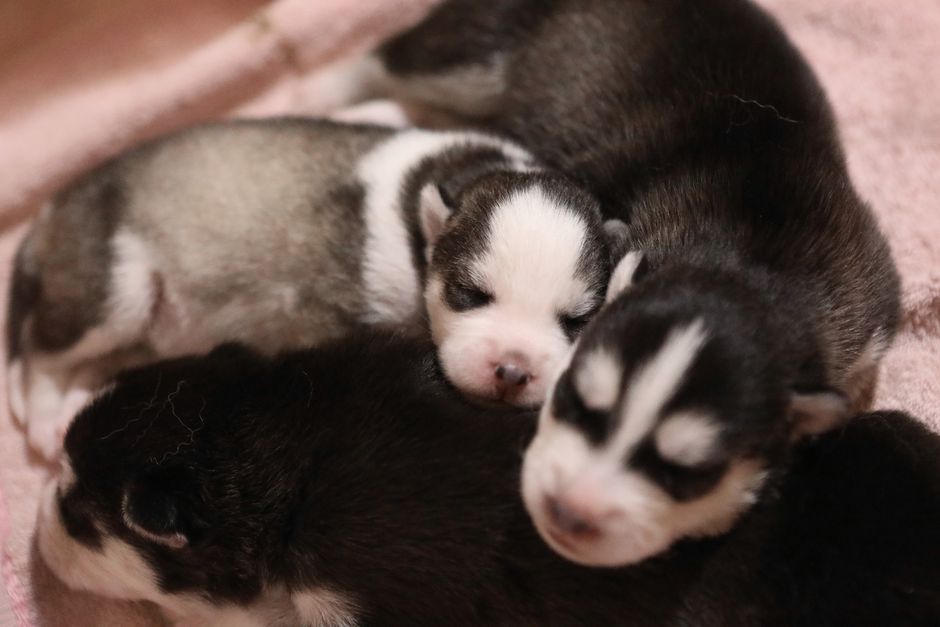
Like all puppies, huskies have unique sleep needs that change as they grow. Sleep is important for brain development, memory consolidation, and physical recovery. Husky puppies, being highly active and intelligent, need more sleep than adult dogs to recharge. Typically, a husky puppy will sleep between 18 to 20 hours a day, with the remaining hours spent eating, playing, and exploring.
Newborn husky puppies sleep almost constantly, waking only to nurse. As they grow older, their sleep patterns become more structured, with distinct periods of activity and rest. By the time they are 8-12 weeks old, they start to develop a more adult-like sleep-wake cycle, though they still need frequent naps.
How Many Hours Do Husky Puppies Sleep?
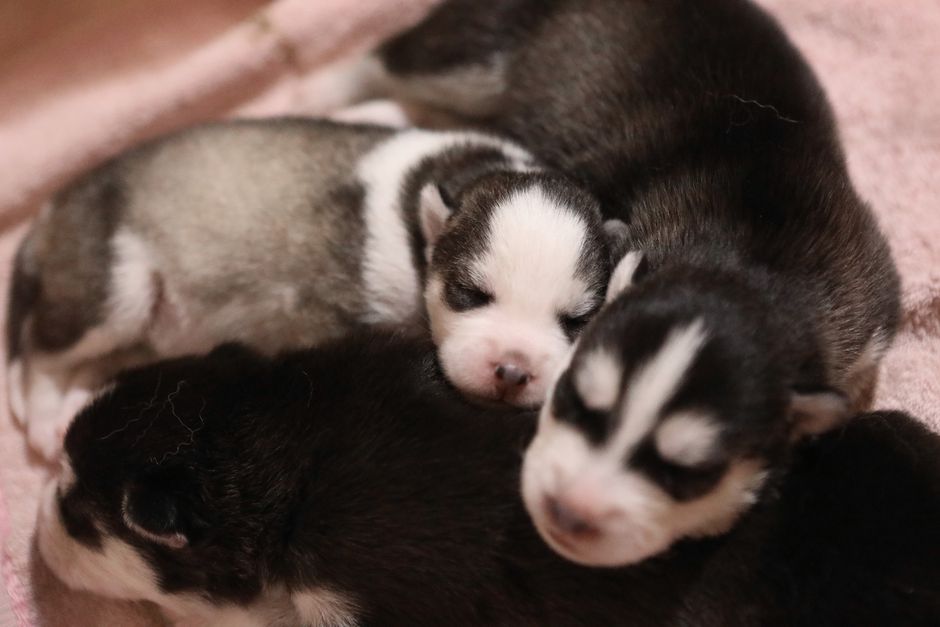
On average, a husky puppy needs 18-20 hours of sleep per day. This can vary based on age, activity level, and individual personality. Below is a general guideline for sleep hours by age:
| Age | Sleep Hours per Day | Naps per Day |
|---|---|---|
| 8-12 weeks | 18-20 hours | 4-5 naps |
| 3-4 months | 16-18 hours | 3-4 naps |
| 5-6 months | 14-16 hours | 2-3 naps |
| 7-12 months | 12-14 hours | 1-2 naps |
Keep in mind that these are averages. Some husky puppies may need slightly more or less sleep. The key is to observe your puppy's behavior—if they seem overtired or hyperactive, they may need more rest.
Factors Affecting Sleep in Husky Puppies
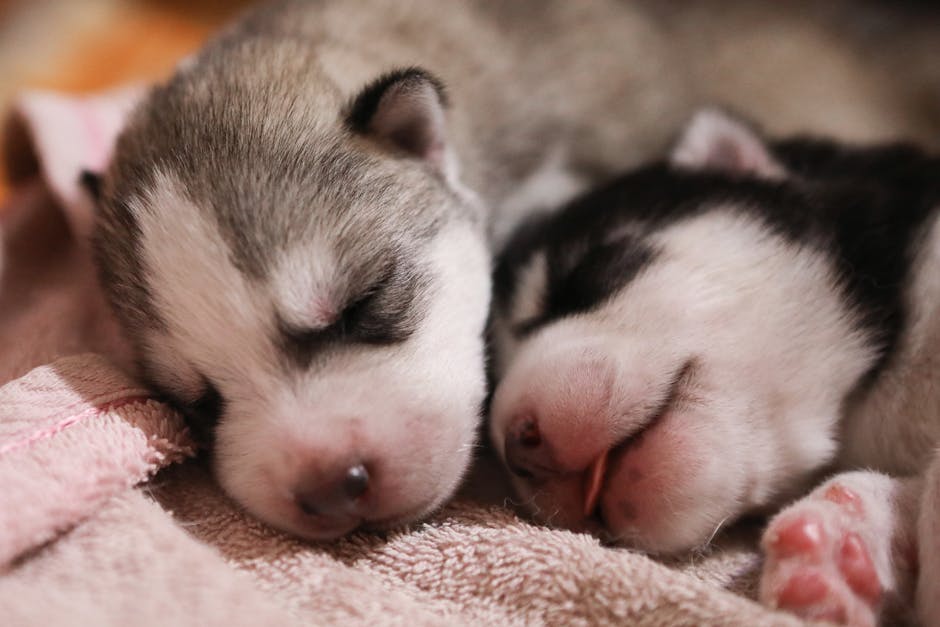
Several factors influence how much sleep a husky puppy needs and the quality of that sleep.
Age and Development
As puppies grow, their sleep needs decrease. Young puppies (under 3 months) spend most of their time sleeping to support rapid brain and body development. Between 4-6 months, they become more active and require fewer hours of sleep. By one year, they approach adult sleep patterns (12-14 hours).
Activity Level
Husky puppies are high-energy dogs. If they have a day full of play, training, and exercise, they will need more sleep to recover. Conversely, a sedentary day may lead to restlessness. Aim for a balance: short, frequent play sessions followed by naps.
Environment
A comfortable, quiet sleeping area promotes better sleep. Make sure your puppy's bed is in a draft-free, dimly lit space. Avoid placing their bed in high-traffic areas. Consistency in bedtime routines also helps signal it's time to sleep.
Creating a Sleep Schedule for Your Husky Puppy
A consistent schedule helps regulate your husky puppy's internal clock. Here's a sample daily routine for an 8-week-old husky puppy:
- 7:00 AM: Wake up, potty break, breakfast
- 7:30 AM: Playtime and training (15-20 minutes)
- 8:00 AM: Nap (2-3 hours)
- 11:00 AM: Potty break, short play, lunch
- 12:00 PM: Nap (2-3 hours)
- 3:00 PM: Potty break, afternoon play
- 4:00 PM: Nap (1-2 hours)
- 6:00 PM: Dinner, potty, walk
- 7:00 PM: Quiet time, maybe a chew toy
- 9:00 PM: Potty break, bedtime
Adjust the schedule as your puppy grows. Always provide a potty break before naps and bedtime to avoid accidents. Use a crate for napping to create a den-like environment that encourages sleep.
Common Sleep Issues in Husky Puppies
Sleep problems are common in husky puppies. Here are a few and how to address them:
- Difficulty settling down: Ensure they've had enough exercise and mental stimulation before bed. Avoid high-energy play right before sleep.
- Frequent waking at night: This is normal for young puppies who need potty breaks. Take them out calmly and immediately return to bed. As they grow, night time wakings decrease.
- Restlessness or whimpering: Could indicate discomfort, hunger, or the need to potty. Check if they are too hot or cold. Also, teething can cause discomfort—provide safe chew toys.
- Sleeping too little: If your puppy seems constantly overactive and refuses to nap, they may need a more structured schedule. Create a calm environment and enforce quiet time.
When to Consult a Veterinarian
While most sleep variations are normal, consult your vet if you notice:
- Excessive sleepiness that prevents them from waking for food or play
- Difficulty breathing or snoring loudly (possible respiratory issues)
- Sudden changes in sleep patterns accompanied by lethargy or vomiting
- Signs of pain when lying down or getting up
Your vet can rule out underlying health issues and provide tailored advice for your puppy's needs.
, husky puppies require a significant amount of sleep—typically 18-20 hours a day in the early months. By understanding their sleep patterns, creating a consistent routine, and addressing common issues, you can help your husky puppy grow into a healthy, well-rested adult. Remember, every puppy is unique; observe their behavior and adjust accordingly. A well-rested husky is a happy and trainable companion!
Recommended Products for Your Husky
As an Amazon Associate, we earn from qualifying purchases. Learn more.
- Husky Care Essentials — Check price on Amazon
- Best-Selling Dog Gear — Check price on Amazon
- Newest Husky Products — Check price on Amazon
Frequently Asked Questions
What should I buy before a Husky puppy?
A crate, chew toys, a harness (not a collar for pulling), a groomer-grade brush, and puppy food. Skip the tiny water bowl — they grow fast.
How do I housebreak a Husky puppy?
Take them out every hour, after meals, and on waking; reward immediately. Crate overnight so they won't soil their den.
When can Husky puppies leave their mother?
Not before 8 weeks — earlier weaning harms socialization. Many breeders hold to 10–12 weeks for stability.
Editor's Note
We've raised enough husky puppies to respect the eight-to-twelve-week window above everything else. The owners who pushed a hundred new experiences in those weeks have the confident adults; the ones who waited got the fearful ones.
Sources & Further Reading
HuskySpot researches each topic against recognized breed and veterinary authorities. The following organizations inform our content: