Bringing home a Siberian Husky puppy is an exciting adventure, but it also comes with the challenge of house training and establishing a routine. A well-planned crate schedule is one of the most effective tools for raising a well-behaved, housebroken Husky. Unlike adult dogs, puppies have limited bladder control and need frequent potty breaks. A crate schedule not only aids in potty training but also provides your Husky with a safe den-like space, reducing anxiety and destructive behavior. In this comprehensive guide, we’ll walk you through everything you need to know about creating and implementing a perfect crate schedule for your Husky puppy.
Why a Crate Schedule is important for Your Husky Puppy
Huskies are intelligent, independent, and high-energy dogs that thrive on routine. A consistent crate schedule helps them understand when it’s time to sleep, play, eat, and go potty. Here are the key benefits:
- Accelerates potty training: Puppies naturally avoid soiling their sleeping area. By controlling when they are in the crate and when they go out, you prevent accidents.
- Prevents destructive behavior: When left unsupervised, Husky puppies may chew furniture or dig. Crate time gives them a safe space and prevents mischief.
- Creates a sense of security: A properly introduced crate becomes a cozy den where your puppy can relax and feel safe, especially during storms or when guests visit.
- Establishes routine: Dogs are creatures of habit. A set schedule reduces stress and makes training smoother.
Setting Up the Perfect Crate Environment
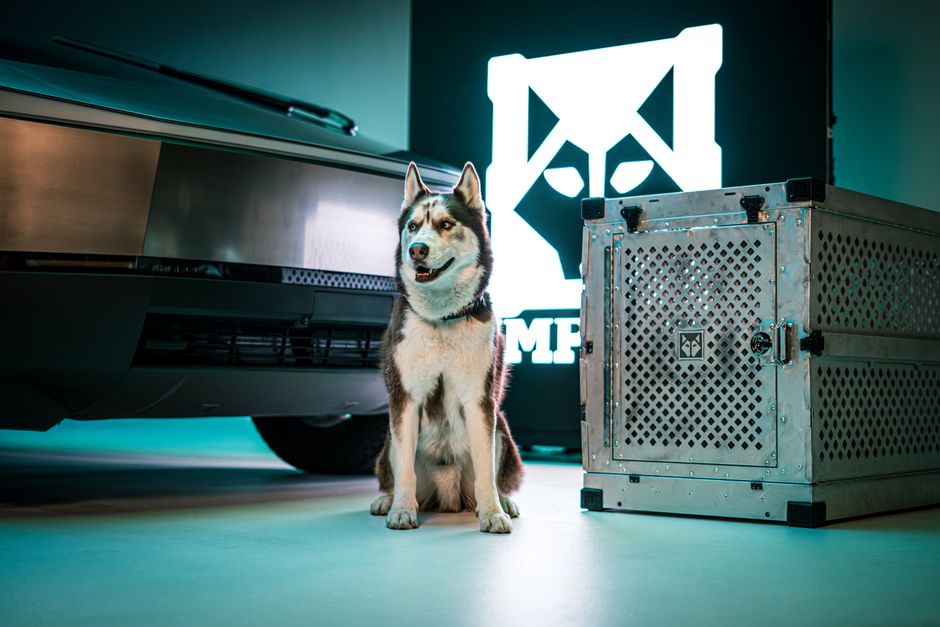
Before diving into the schedule, ensure the crate is comfortable and inviting. Choose a crate that is large enough for your puppy to stand, turn around, and lie down—but not so large that they can use one corner as a bathroom. For Husky puppies, a medium-size crate with a divider is ideal; you can expand it as they grow. Line the crate with a soft, washable bed or blanket. Add a few safe chew toys (like Kongs or Nylabones) to keep them occupied. Place the crate in a quiet, low-traffic area of your home, such as a corner of the living room or your bedroom. Avoid isolation—your puppy should feel part of the family even when crated.
The Ideal Husky Puppy Crate Schedule by Age
A puppy’s bladder capacity increases with age. As a rule of thumb, a puppy can hold their bladder for about as many hours as their age in months (plus one). However, this varies by breed and individual. For Husky puppies, who are generally robust, follow these guidelines:
| Age | Maximum Crate Time (Day) | Nighttime Crate Time | Potty Breaks (hours) |
|---|---|---|---|
| 8–10 weeks | 1–2 hours | 3–4 hours (with one night break) | Every 1–2 hours |
| 10–12 weeks | 2–3 hours | 4–5 hours | Every 2–3 hours |
| 3–4 months | 3–4 hours | 5–6 hours | Every 3–4 hours |
| 4–6 months | 4–5 hours | 6–7 hours | Every 4–5 hours |
| 6+ months | 5–6 hours | 7–8 hours | Every 5–6 hours |
These are maximum times; always aim for more frequent potty breaks if possible. Never crate a puppy longer than they can hold it, as this can lead to accidents and stress.
Step-by-Step Crate Training Process
1. Introduction and Positive Association
Place the crate in a family area. Leave the door open and toss treats inside. Let your puppy explore at their own pace. Feed meals inside the crate with the door open at first, then gradually close it for short periods while they eat.
2. Short Crate Sessions
Start with 5–10 minute crating sessions while you are home. Give a treat when they enter, close the door, and sit nearby. Gradually increase the time as they become comfortable. Always reward calm behavior.
3. Adding Distance and Duration
Once your puppy is happy in the crate with you in the room, start leaving the room for a minute or two. Return calmly. Slowly extend the time you are out of sight. If your puppy whines, wait for a quiet moment before letting them out—never reward whining.
4. Overnight Crate Training
Place the crate in your bedroom so your puppy feels secure. Set an alarm for a middle-of-the-night potty break (initially every 3 hours). Take them out directly to the potty spot, praise, and return to crate. Avoid playtime. As they age, gradually extend the night interval.
Common Crate Training Mistakes and How to Avoid Them
- Using the crate as punishment: Never send your puppy to the crate for misbehavior. This creates negative associations.
- Leaving them too long: Over-crating can cause anxiety and accidents. Stick to age-appropriate times.
- Inconsistent schedule: Puppies thrive on routine. Feed, potty, play, and crate times should be roughly the same each day.
- Ignoring whining: If your puppy whines, they may need to potty. Take them out immediately, but avoid making it a game. If they whine for attention, wait until they are quiet to let them out.
- Not exercising enough before crating: A tired Husky is a calm Husky. Ensure your puppy gets adequate exercise and mental stimulation before crate time.
Adjusting the Schedule as Your Puppy Grows
As your Husky puppy matures, their bladder control improves, and they can handle longer crate periods. However, a growing Husky also needs more exercise and mental challenges. At around 6 months, you can start leaving them out of the crate for short periods (with supervision) to test their reliability. Gradually increase free time while keeping the crate as a safe space for naps and bedtime. By 1 year, many Huskies can be trusted home alone for up to 8 hours, but always ensure they have ample exercise before and after.
Tips for Nighttime Crate Training
- Limit water intake 1–2 hours before bedtime to reduce nighttime accidents.
- Take your puppy out for a final potty break right before bed.
- Keep the crate in your bedroom initially—your presence is reassuring.
- Use a consistent bedtime routine: a short walk, then quiet time in the crate.
- If your puppy cries at night, wait a few minutes to see if they settle. If not, take them out for a quick, boring potty break, then return to crate.
Sample Daily Crate Schedule for a 10-Week-Old Husky Puppy
| Time | Activity |
|---|---|
| 6:30 AM | Wake up, potty break, playtime |
| 7:00 AM | Breakfast in crate (door open) |
| 7:30 AM | Potty break, short walk |
| 8:00 AM | Crate time (with chew toy) – 1 hour |
| 9:00 AM | Potty break, training session, play |
| 10:00 AM | Crate time – 1 hour |
| 11:00 AM | Potty break, play |
| 12:00 PM | Lunch in crate (door open) |
| 12:30 PM | Potty break, nap outside crate (supervised) |
| 2:00 PM | Crate time – 1.5 hours |
| 3:30 PM | Potty break, playtime |
| 5:00 PM | Crate time – 1 hour |
| 6:00 PM | Potty break, dinner in crate |
| 7:00 PM | Walk, play, training |
| 9:00 PM | Potty break, wind down |
| 9:30 PM | Bedtime in crate (in bedroom) |
| 12:00 AM | Potty break (set alarm) |
Adjust this schedule based on your puppy’s needs and your daily routine. Consistency is key—try to stick to the same times each day.
Recommended Products for Your Husky
As an Amazon Associate, we earn from qualifying purchases. Learn more.
- Heavy-Duty Dog Crate — Check price on Amazon
- Collapsible Wire Crate — Check price on Amazon
- Divider Panel Crate — Check price on Amazon
Final Thoughts
Crate training a Husky puppy requires patience, consistency, and a positive attitude. Your puppy will likely test boundaries, but the crate is a tool for safety and comfort, not a cage. By following a schedule that accounts for their age, energy level, and bladder capacity, you’ll set your Husky up for success. In a few short months, your puppy will see the crate as their private retreat—and you’ll enjoy a well-mannered, housebroken companion. Stick with it, celebrate small victories, and don’t hesitate to adjust the schedule as your puppy grows. Happy training!