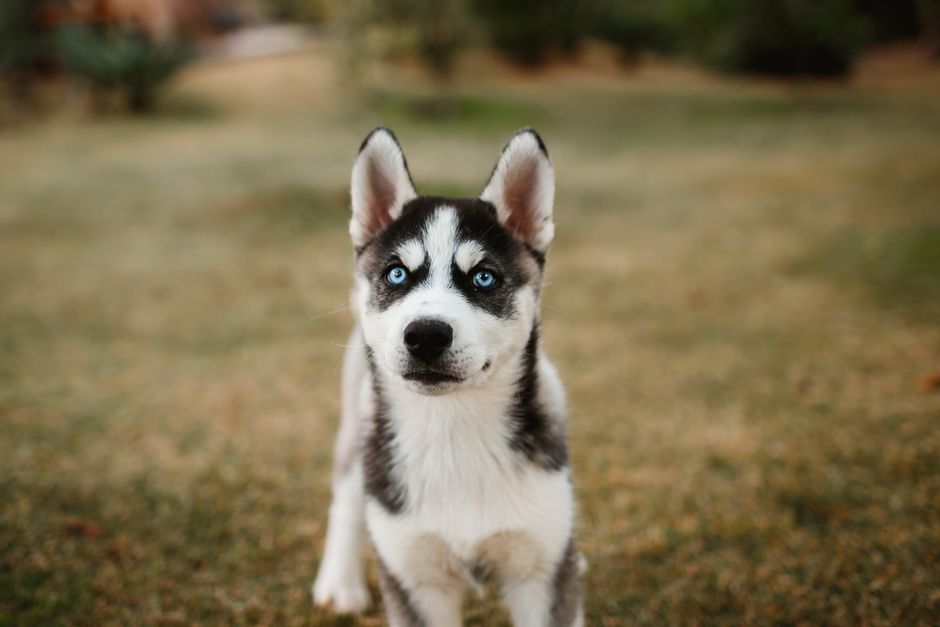
Introduction
Bringing home a Siberian Husky puppy is an exciting adventure, but it also comes with important responsibilities—especially nutrition. The best food for husky puppies supports their rapid growth, high energy levels, and unique coat needs. This guide will help you choose a diet that sets your pup up for a healthy, happy life.
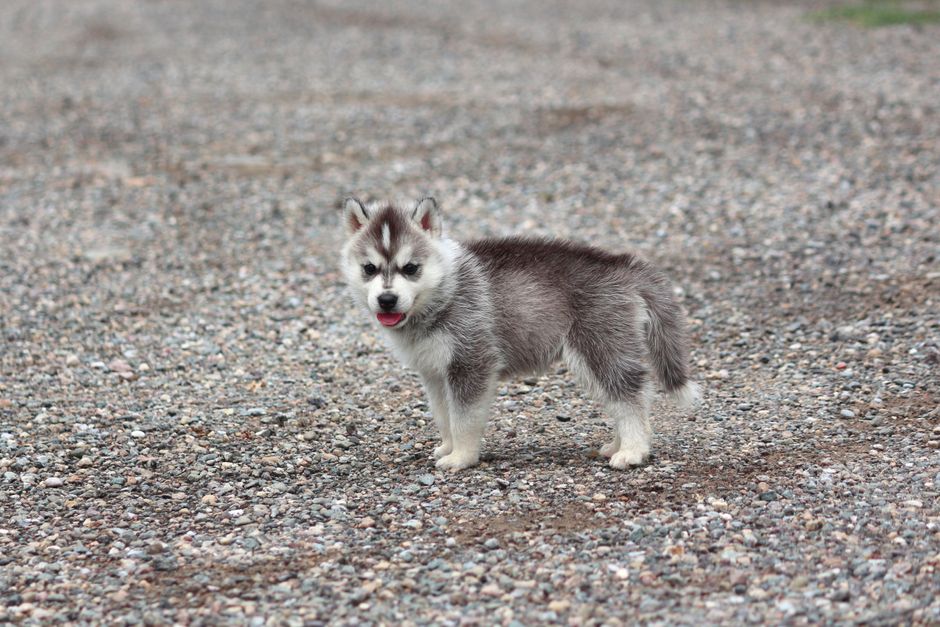
Understanding Nutritional Needs of Husky Puppies
Husky puppies are active, intelligent, and have a fast metabolism. They require a balanced diet rich in protein, healthy fats, and essential nutrients. Protein supports muscle development, while fats provide energy for their playful antics. DHA, an omega-3 fatty acid, is crucial for brain and vision development. For large-breed puppies like Huskies, calcium and phosphorus must be carefully balanced to avoid skeletal issues. Always choose a puppy formula that meets AAFCO standards for growth.
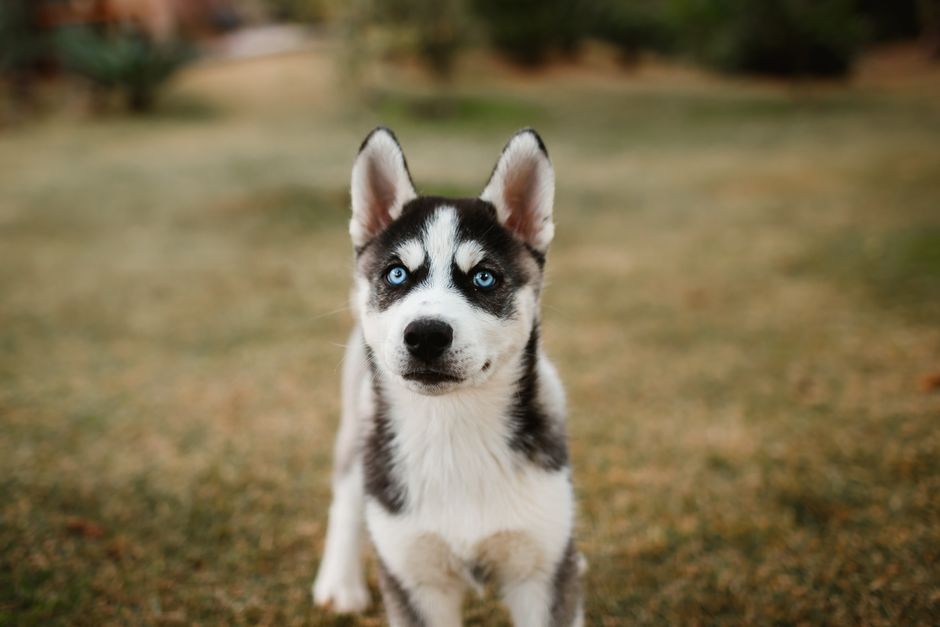
Key Ingredients to Look For
When selecting food for your Husky puppy, look for:
- High-quality animal protein as the first ingredient (chicken, turkey, salmon, or lamb).
- Healthy fats like chicken fat or fish oil for energy and a shiny coat.
- Complex carbohydrates such as sweet potatoes, brown rice, or oatmeal for sustained energy.
- Fruits and vegetables for antioxidants and fiber.
- DHA and EPA from fish oil for brain and eye development.
- Probiotics for digestion.
- Glucosamine and chondroitin for joint health (optional but beneficial).
Best Types of Food for Husky Puppies
Dry Kibble
The most convenient option, dry food helps clean teeth and is easy to portion. Look for kibble size appropriate for small mouths—often small or medium breed formulas work better than large breed kibble.
Wet Food
Canned or pouch food can be used as a topper or mixed with dry kibble to increase moisture. It’s more palatable but less calorie-dense, so adjust portions accordingly.
Raw Food
Some owners choose raw diets, which can mimic a Huskies’ ancestral diet. However, raw feeding requires careful balance to avoid nutritional deficiencies and bacterial risks. Consult a vet before starting raw.
Dehydrated or Freeze-Dried
These options retain nutrients and are shelf-stable. They often need rehydration and can be expensive but are highly digestible.
Top Recommended Brands
| Brand | Why It's Good for Husky Puppies |
|---|---|
| Orijen Puppy | High protein, grain-free, rich in top-quality ingredients from regional sources. |
| Hill’s Science Diet Puppy | Balanced nutrients with DHA, clinically proven antioxidants, and small kibble. |
| Royal Canin Siberian Husky Puppy | Breed-specific formula with tailored kibble shape for huskies’ distinct jaw structure. |
| Taste of the Wild Pacific Stream Puppy | Grain-free with salmon, sweet potatoes, and fish oil; great for sensitive stomachs. |
| Purina Pro Plan Puppy | Excellent value with DHA, probiotics, and real meat as first ingredient. |
When choosing, consider your puppy’s allergies, activity level, and your budget. Always introduce new food gradually.
Feeding Schedule and Portion Sizes
Husky puppies should eat three to four small meals a day until six months old, then transition to two meals. Follow the feeding guide on the bag, adjusting for your puppy’s body condition. A good rule: you should feel ribs without seeing them, and there should be a visible waist. Overfeeding can lead to obesity and joint problems. Avoid free-feeding; instead, set specific meal times. Provide fresh water at all times.
Foods to Avoid
Some foods are toxic or harmful to husky puppies:
- Chocolate, caffeine, alcohol
- Grapes, raisins, onions, garlic
- Xylitol (artificial sweetener)
- High-fat, salty, or sugary human foods
- Cooked bones (can splinter); raw bones only under supervision
- Unripe tomatoes, avocado, macadamia nuts
Stick to puppy-specific treats and avoid fillers like corn, soy, and artificial preservatives.
Transitioning to New Food
To avoid digestive upset, transition over 7 days: start with 75% old food and 25% new for 2 days, then 50/50 for 2 days, then 25/75 for 2 days, then 100% new. Monitor your puppy’s stool; if diarrhea occurs, slow the process. Always consult your vet if problems persist.
Conclusion
Choosing the best food for your husky puppy ensures they grow into a strong, healthy adult dog. Focus on high-quality protein, balanced nutrients, and age-appropriate formulas. Combine good nutrition with plenty of exercise, training, and love. Your husky will thank you with wagging tail and bright eyes. For personalized recommendations, talk to your veterinarian.
Recommended Products for Your Husky
As an Amazon Associate, we earn from qualifying purchases. Learn more.
- Premium Husky Food — Check price on Amazon
- Grain-Free Kibble — Check price on Amazon
- High-Protein Food — Check price on Amazon
Frequently Asked Questions
When can Husky puppies leave their mother?
Not before 8 weeks — earlier weaning harms socialization. Many breeders hold to 10–12 weeks for stability.
How much sleep does a Husky puppy need?
Up to 18–20 hours a day. Over-tired puppies bite and crash; enforce naps in the crate.
When should vaccinations start?
The first round is usually at 6–8 weeks, then boosters every 3–4 weeks until 16 weeks. Avoid dog parks until complete.
Editor's Note
We've learned the hard way that husky puppies need a six-foot fence, not four. The escape artists we manage all started with a climbable boundary. Bury chicken wire along the line and thank us later.
Sources & Further Reading
HuskySpot researches each topic against recognized breed and veterinary authorities. The following organizations inform our content: