Introduction
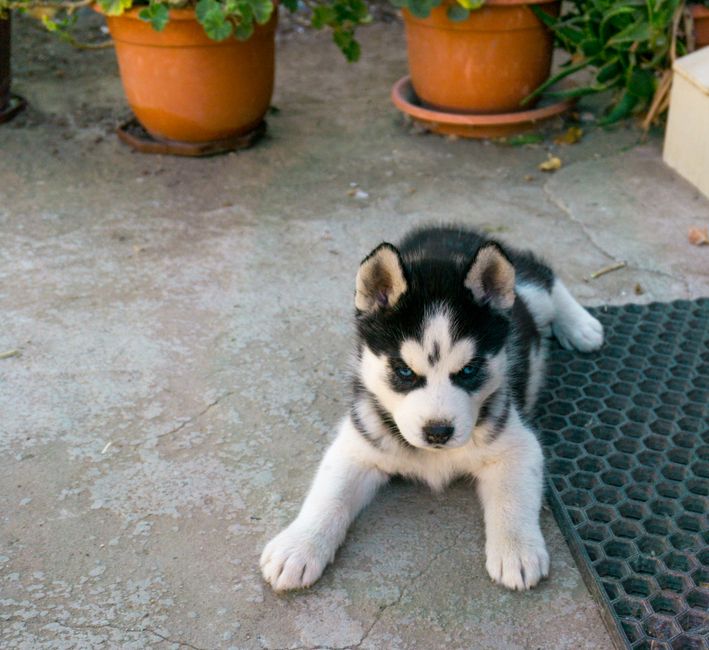
As a devoted Husky owner, you want to ensure your furry friend lives a long, healthy life. Knowing when to take your Husky to the vet is crucial for preventing and treating health issues. This guide covers routine care, emergency signs, and common conditions specific to Siberian Huskies, so you can keep your pup in top shape.
Routine Veterinary Visits: Preventive Care for Huskies
Puppy Checkups and Vaccinations
From the moment you bring your Husky home, regular vet visits are essential. Puppies need a series of vaccinations starting at 6–8 weeks, including distemper, parvovirus, and rabies. Your vet will also deworm and check for congenital issues. Schedule visits every 3–4 weeks until 16 weeks.
Adult Wellness Exams
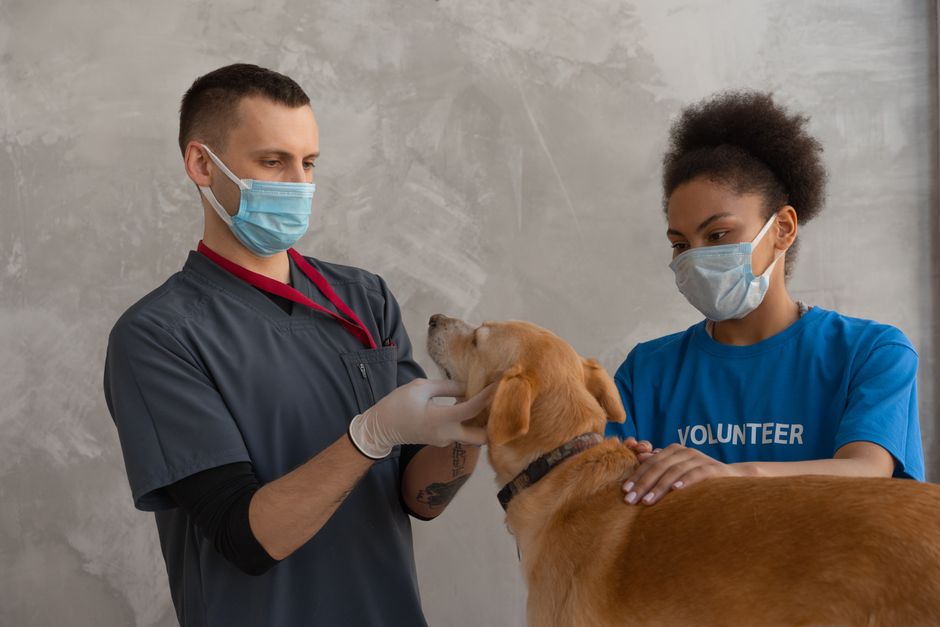
Healthy adult Huskies should see the vet annually for a wellness exam, which includes a physical, dental check, and weight assessment. Annual blood work and heartworm testing are recommended. For seniors (7+ years), biannual visits help catch age-related problems early.
| Age | Visit Frequency | Key Services |
|---|---|---|
| Puppy (0–16 weeks) | Every 3–4 weeks | Vaccinations, deworming, health screenings |
| Adult (1–6 years) | Annual | Wellness exam, vaccines, heartworm test |
| Senior (7+ years) | Every 6 months | Blood work, dental, arthritis assessment |
Emergency Signs: When to Rush Your Husky to the Vet
Some conditions require immediate veterinary attention. If your Husky shows any of these signs, go to the emergency vet right away:
- Bloating or GDV: Distended abdomen, unproductive retching, restlessness. Huskies are prone to bloat, which is life-threatening.
- Poisoning: Ingestion of toxins like chocolate, xylitol, or antifreeze. Symptoms: vomiting, seizures, lethargy.
- Seizures: If your Husky has a seizure lasting more than 2 minutes or multiple seizures in 24 hours.
- Difficulty breathing: Gasping, blue gums, or persistent coughing.
- Severe injuries: Hit by car, deep wounds, broken bones, or bleeding that won't stop.
- Heatstroke: Heavy panting, drooling, collapse, or body temperature over 104°F. This is a common Husky emergency in hot weather.
- Eye emergencies: Sudden blindness, proptosis (eye out of socket), or deep corneal ulcers.
- Inability to urinate or painful urination: Could indicate a urinary blockage or infection.
When in doubt, call your vet or an emergency clinic for advice. It's better to be safe than sorry.
Non-Emergency but Concerning Symptoms
Not every symptom requires an ER visit, but you should still schedule a vet appointment within a day or two if your Husky exhibits:
- Lethargy or decreased appetite: Lasting more than 24 hours.
- Vomiting or diarrhea: If it persists beyond 12 hours or contains blood.
- Skin issues: Excessive scratching, hair loss, hot spots, or unusual lumps.
- Eye discharge or redness: Could be conjunctivitis, dry eye, or allergies.
- Lameness or limping: Especially if it lasts more than a day.
- Ear infections: Head shaking, odor, or discharge. Huskies with floppy ears get frequent infections.
- Weight loss or gain: Unexplained changes in body condition.
- Dental problems: Bad breath, broken teeth, or difficulty eating.
Keep a log of symptoms and bring it to the appointment. Early intervention often prevents more serious issues.
Seasonal and Age-Related Concerns
Heatstroke in Huskies
Despite their thick coats, Huskies are not well-suited for hot climates. Even in moderate temperatures, exercise can cause overheating. Signs include excessive panting, drooling, and lethargy. Immediate cooling and vet care are crucial.
Cold Weather Risks
Huskies love cold, but extreme cold can still cause frostbite or hypothermia, especially on paw pads. Provide shelter and check for signs of discomfort like shivering or lifting paws.
Arthritis in Senior Huskies
Older Huskies often develop arthritis. Watch for stiffness, difficulty rising, or reluctance to jump. Your vet can recommend joint supplements, pain medication, or physical therapy.
Dental Health
Dental disease is common in Huskies. Annual cleanings and daily brushing prevent tooth loss and infections. Bad breath, yellow teeth, or bleeding gums signal a need for a vet visit.
Common Husky Health Issues to Watch For
Siberian Huskies are generally healthy but are predisposed to certain conditions. Regular vet visits help manage these:
- Hip Dysplasia: A genetic condition causing arthritis. Early detection via X-rays and weight management are key.
- Eye Problems: Cataracts, progressive retinal atrophy (PRA), and glaucoma. Have eyes checked annually.
- Hypothyroidism: Underactive thyroid leads to weight gain, hair loss, and lethargy. Easily managed with medication.
- Allergies: Skin allergies to food or environment cause itching and infections. Treatment includes diet changes or allergy shots.
- Autoimmune Disorders: Like uveodermatologic syndrome, affecting skin and eyes. Requires specialist care.
If you notice any symptoms related to these conditions, schedule a vet visit promptly. Genetic testing can also inform preventive care.
Preparing for Vet Visits: What to Bring and Ask
Make the most of your appointment by being prepared:
- Medical records: Vaccination history, previous illnesses, and medications.
- Fecal sample: Fresh sample for parasite check.
- Urine sample: Collect in a clean container for analysis.
- List of questions: Write down concerns about behavior, diet, or symptoms.
- Treats and toys: To keep your Husky calm and cooperative.
Ask your vet about preventive care, recommended vaccines for your area, and any breed-specific screenings. Also discuss nutrition, exercise, and dental care routines.
Conclusion
Knowing when to take your Husky to the vet is a key part of responsible ownership. From routine checkups and vaccinations to recognizing emergencies and breed-specific health issues, proactive care ensures your Husky stays healthy and happy. Trust your instincts—if something seems off, consult your veterinarian. This guide is a starting point; always follow your vet's advice tailored to your dog's individual needs.
Recommended Products for Your Husky
As an Amazon Associate, we earn from qualifying purchases. Learn more.
- Husky Care Essentials — Check price on Amazon
- Best-Selling Dog Gear — Check price on Amazon
- Newest Husky Products — Check price on Amazon
Frequently Asked Questions
How do I help prevent hip dysplasia?
Keep puppies lean during growth, avoid over-exercise on hard surfaces, and choose parents with good OFA scores.
What vaccines does my Husky need?
Core vaccines: rabies, distemper, parvovirus, adenovirus. Your vet may add leptospirosis or bordetella based on risk.
How do I spot illness early?
Watch for appetite loss, lethargy, vomiting, diarrhea, limping, or eye changes. Huskies hide pain, so subtle shifts matter.
Editor's Note
In our experience husky owners underrate dental care. We've seen periodontal bacteria quietly damage organs by year seven. Brushing three times a week sounds like a lot until you price a professional cleaning.
Sources & Further Reading
HuskySpot researches each topic against recognized breed and veterinary authorities. The following organizations inform our content: