Ticks are a common and dangerous threat to Siberian Huskies, especially during warmer months. These tiny parasites can transmit serious diseases such as Lyme disease, ehrlichiosis, and anaplasmosis. Preventing tick infestations is crucial for your Husky's health. This comprehensive guide covers everything you need to know about husky ticks prevention, from understanding tick behavior to choosing the best preventive products and performing daily checks.
Understanding Ticks and Why Huskies Are at Risk
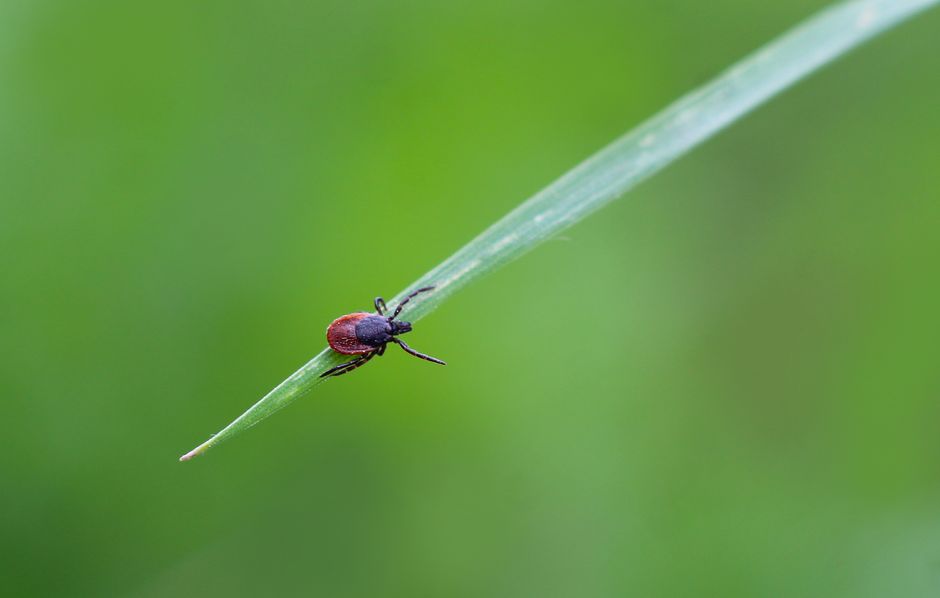
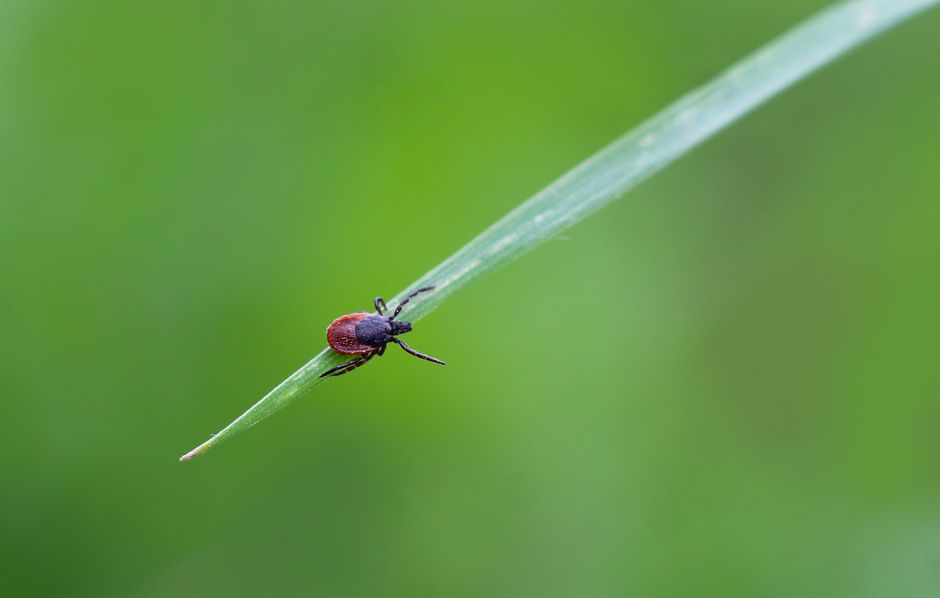
Ticks are external parasites that feed on blood. They are most active in spring, summer, and fall, but can survive in mild winters. Huskies, with their thick double coat, provide an ideal hiding place for ticks. Ticks can latch onto your dog when walking through tall grass, wooded areas, or even your backyard. Because Huskies are energetic and love outdoor activities, they have a higher exposure risk.
Common tick species include the deer tick (black-legged tick), American dog tick, and Lone Star tick. Each can transmit different pathogens. The deer tick is notorious for Lyme disease, which can cause joint pain, fever, and kidney issues in dogs.
Best Practices for Tick Prevention
Use Veterinary-Approved Tick Preventatives
The most effective way to prevent ticks is to use a reliable tick preventive product. Options include:
- Topical treatments: Applied monthly between shoulder blades. Products like Frontline Plus, Advantix II, or Revolution kill ticks on contact.
- Oral medications: Chewable tablets such as NexGard, Bravecto, or Simparica Trio provide systemic protection that kills ticks after they bite.
- Collars: Seresto collars release repellent for up to 8 months, but may be less effective for heavy infestations.
- Sprays and powders: Can be used as supplementary protection before walks.
Always consult your veterinarian to choose a product safe for your Husky’s age, weight, and health status. Never use dog products on cats or vice versa.
Environmental Tick Control
Reduce tick habitat in your yard and home:
- Keep grass short and remove leaf litter.
- Create a barrier of wood chips or gravel between lawn and wooded areas.
- Use tick sprays or granules approved for yards.
- Discourage wildlife (deer, rodents) that carry ticks by fencing or removing bird feeders.
- Clean and vacuum areas where your Husky sleeps indoors.
Daily Tick Checks
After every outdoor excursion, perform a thorough tick check on your Husky. Focus on:
- Head and ears (especially inside ear flaps)
- Neck and under the collar
- Armpits and groin
- Between toes and on paw pads
- Base of the tail and around the anus
Run your hands over your Husky’s body feeling for small bumps. Use a fine-toothed comb to part the fur. If you find a tick, remove it promptly and properly (see below).
How to Safely Remove a Tick from Your Husky
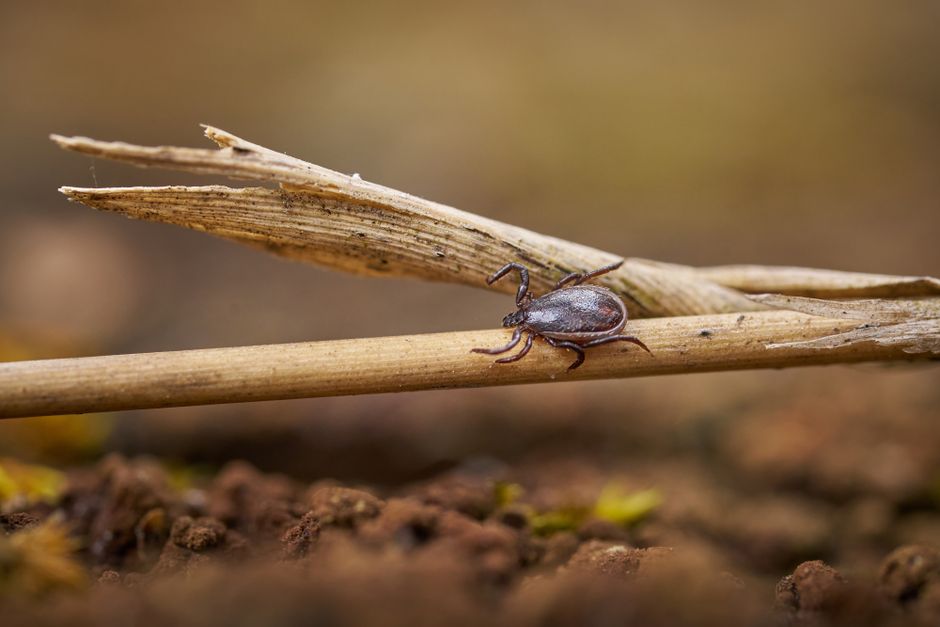
Improper removal can leave mouthparts embedded or cause infection. Follow these steps:
- Gather supplies: Fine-tipped tweezers, gloves, antiseptic, and a jar with rubbing alcohol.
- Grasp the tick: Using tweezers, grab the tick as close to the skin as possible. Avoid squeezing the body.
- Pull steadily: Pull upward with steady, even pressure. Do not twist or jerk.
- Clean the bite area: Disinfect with rubbing alcohol or antiseptic.
- Save the tick: Place it in the jar with alcohol for identification if your dog becomes ill.
- Monitor: Watch for signs of tick-borne disease over the next few weeks.
Never use methods like burning the tick with a match, smothering with petroleum jelly, or applying nail polish — these can cause the tick to regurgitate, increasing disease transmission.
Natural and Homeopathic Prevention Options
Some owners prefer natural remedies, though their efficacy is less proven. These include:
- Essential oils: Cedarwood, lemongrass, or lavender oil diluted in a carrier oil applied to the collar or coat. Caution: Essential oils can be toxic if ingested or overapplied.
- Diatomaceous earth: Food-grade powder sprinkled on bedding and yard can dehydrate ticks.
- Apple cider vinegar: Adding a small amount to water or food may alter the dog’s scent, but evidence is weak.
- Garlic or brewer’s yeast: Some feed these supplements, but garlic can be toxic to dogs in large amounts.
Natural methods should not replace veterinary-approved preventatives, especially in tick-heavy areas.
Seasonal and Regional Considerations for Husky Owners
Depending on where you live, tick activity varies. In warmer climates, ticks may be active year-round. In colder regions, they become dormant in winter but can still be active during thaws. Use preventatives year-round if you live in a high-risk area.
Huskies that travel to different regions (e.g., for dog shows or hiking trips) may encounter new tick species. Update vaccinations and preventatives accordingly.
Common Mistakes in Tick Prevention
- Skipping doses: Tick preventatives must be given on schedule; missing a month leaves your dog vulnerable.
- Using expired products: Check expiration dates.
- Over-relying on natural remedies: They are not as effective as FDA-approved treatments.
- Ignoring indoor ticks: Ticks can hitch a ride indoors; vacuum regularly and check your dog after sleep.
- Not removing ticks promptly: The longer a tick feeds, the higher the disease risk.
Signs of Tick-Borne Diseases in Huskies
Even with prevention, a tick may bite. Watch for these symptoms and consult your vet if they appear:
- Lethargy
- Loss of appetite
- Joint swelling or lameness
- Fever
- Swollen lymph nodes
- Neurological signs (e.g., seizures, weakness)
Early detection and treatment are key. Your vet can perform blood tests for tick-borne diseases.
Conclusion: Make Tick Prevention a Priority for Your Husky
Keeping your Siberian Husky safe from ticks requires a combination of veterinary care, environmental management, and daily diligence. By using effective preventatives, conducting regular checks, and maintaining a tick-free environment, you can greatly reduce the risk of tick-borne illnesses. Remember, a tick bite that goes unnoticed can lead to serious health issues. Invest in the best prevention tailored to your Husky's lifestyle, and enjoy outdoor adventures with peace of mind.
For more tips on Husky health and care, explore our other articles. Protect your furry friend today!
Recommended Products for Your Husky
As an Amazon Associate, we earn from qualifying purchases. Learn more.
- Cooling Mat — Check price on Amazon
- Orthopedic Mat — Check price on Amazon
- Elevated Cot — Check price on Amazon
Frequently Asked Questions
Are Huskies prone to eye problems?
Yes — cataracts and progressive retinal atrophy occur in the breed. Annual eye exams by a veterinary ophthalmologist are wise.
How do I maintain dental health?
Brush teeth 2–3 times weekly, offer dental chews, and schedule professional cleanings. Small breeds aren't the only ones with tartar.
What flea and tick prevention is best?
Oral or topical preventives from your vet beat OTC products. Tick-borne disease is rising in many Husky-friendly climates.
Editor's Note
We've noticed senior huskies get written off too soon. The seven-year-old who 'slowed down' often just needed a joint supplement and lighter exercise, not a goodbye. Biannual checks changed outcomes for clients we manage.
Sources & Further Reading
HuskySpot researches each topic against recognized breed and veterinary authorities. The following organizations inform our content: