Why Huskies Need Omega-3 Fatty Acids
Siberian Huskies are an active, cold-weather breed with a thick double coat, high energy levels, and a predisposition to certain health issues. Omega-3 fatty acids, particularly EPA (eicosapentaenoic acid) and DHA (docosahexaenoic acid) found in fish oil, offer targeted benefits for these unique needs. EPA helps reduce inflammation, while DHA supports brain and vision development.

Top Health Benefits of Fish Oil for Siberian Huskies
1. Promotes Healthy Skin and Coat
Huskies are prone to dry skin and seasonal shedding. Fish oil nourishes the skin from within, reducing itchiness, dandruff, and excessive shedding. Many owners report a softer, glossier coat after supplementation.
2. Supports Joint Health and Mobility
Huskies are athletic dogs that often develop hip dysplasia or arthritis as they age. Omega-3s lubricate joints and reduce inflammation, improving mobility and comfort. A study in the Journal of the American Veterinary Medical Association found that fish oil decreased lameness in arthritic dogs.
3. Boosts Heart Health
DHA and EPA help lower triglycerides, regulate heart rhythm, and reduce blood pressure. For a breed with a genetic risk of heart disease (e.g., cardiomyopathy), fish oil is a proactive supplement.
4. Enhances Brain Function and Vision
DHA is a key structural component of the brain and retina. Puppies and adult Huskies can benefit from improved cognitive function and sharper vision. Some studies suggest omega-3s may slow age-related cognitive decline.
5. Reduces Inflammation and Allergies
Huskies can suffer from environmental allergies or food sensitivities. Fish oil's anti-inflammatory properties can alleviate symptoms like red, itchy skin or ear infections.
6. Supports Immune System
Omega-3s modulate the immune response, helping your Husky fight off infections without overreacting (which can lead to autoimmune issues).

How to Choose the Best Fish Oil for Your Husky
Not all fish oils are created equal. Look for these quality indicators:
- Source: Wild-caught, small fish (sardines, anchovies, mackerel) are less likely to accumulate heavy metals.
- Purity: Choose oil that is molecularly distilled to remove PCBs, dioxins, and mercury.
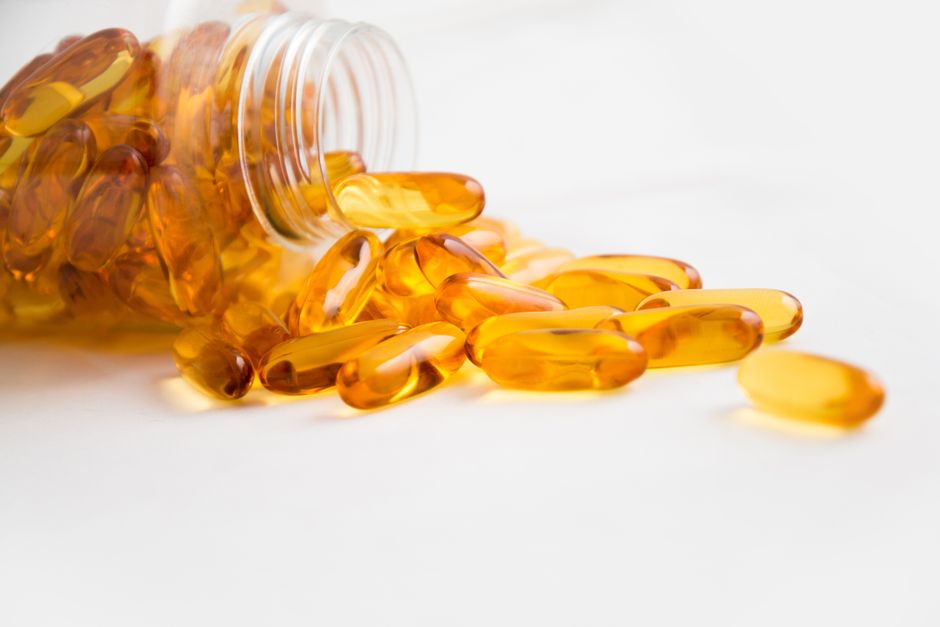
- Form: Liquid fish oil is easier to dose and mix into food; capsules can be punctured if needed.
- Added Vitamin E: Natural antioxidants protect the oil from rancidity and benefit your Husky.
Avoid products with synthetic preservatives (BHT, BHA) or excessive fillers.
Proper Dosage for Siberian Huskies
Dosage depends on your dog's weight and the concentration of EPA/DHA. As a general guideline, healthy Huskies need about 20 mg of combined EPA/DHA per pound of body weight daily. Here's a quick reference:
| Husky Weight (lbs) | Daily EPA + DHA (mg) |
|---|---|
| 35-45 | 700-900 |
| 45-55 | 900-1100 |
| 55-65 | 1100-1300 |
Start with half the recommended dose for the first week to allow your Husky's digestive system to adjust. Gradually increase to the full dose over 2–3 weeks. Always consult your veterinarian for personalized advice, especially if your Husky has a medical condition or is on medication.
How to Add Fish Oil to Your Husky's Diet
Liquid fish oil can be squirted directly onto your Husky's food. Most dogs enjoy the taste. If your Husky is picky, start with a small amount mixed with wet food or a treat. Store fish oil in the refrigerator after opening to prevent rancidity. Discard if it smells or tastes fishy beyond normal.
Potential side effects: Some dogs may experience loose stools, burping, or a fishy breath odor. These are usually temporary. If they persist, reduce the dosage or switch to a different brand. To minimize burping, avoid giving fish oil on an empty stomach.
Fish Oil vs Other Omega-3 Sources
Flaxseed oil contains ALA, which dogs inefficiently convert to EPA/DHA. Fish oil provides preformed EPA/DHA, making it more potent. Krill oil is another option, often with higher bioavailability due to phospholipids, but it's more expensive. For most Huskies, high-quality fish oil offers the best balance of effectiveness and cost.
Conclusion
Adding fish oil to your Siberian Husky's daily routine is one of the most impactful steps you can take for their long-term health. From a lustrous coat and flexible joints to a sharp mind and strong heart, the benefits are comprehensive. Choose a pure, sustainably sourced oil, follow recommended dosages, and watch your Husky thrive.
Recommended Products for Your Husky
As an Amazon Associate, we earn from qualifying purchases. Learn more.
- Husky Care Essentials — Check price on Amazon
- Best-Selling Dog Gear — Check price on Amazon
- Newest Husky Products — Check price on Amazon
Frequently Asked Questions
How do I help prevent hip dysplasia?
Keep puppies lean during growth, avoid over-exercise on hard surfaces, and choose parents with good OFA scores.
What vaccines does my Husky need?
Core vaccines: rabies, distemper, parvovirus, adenovirus. Your vet may add leptospirosis or bordetella based on risk.
How do I spot illness early?
Watch for appetite loss, lethargy, vomiting, diarrhea, limping, or eye changes. Huskies hide pain, so subtle shifts matter.
Editor's Note
In our experience husky owners underrate dental care. We've seen periodontal bacteria quietly damage organs by year seven. Brushing three times a week sounds like a lot until you price a professional cleaning.
Sources & Further Reading
HuskySpot researches each topic against recognized breed and veterinary authorities. The following organizations inform our content: