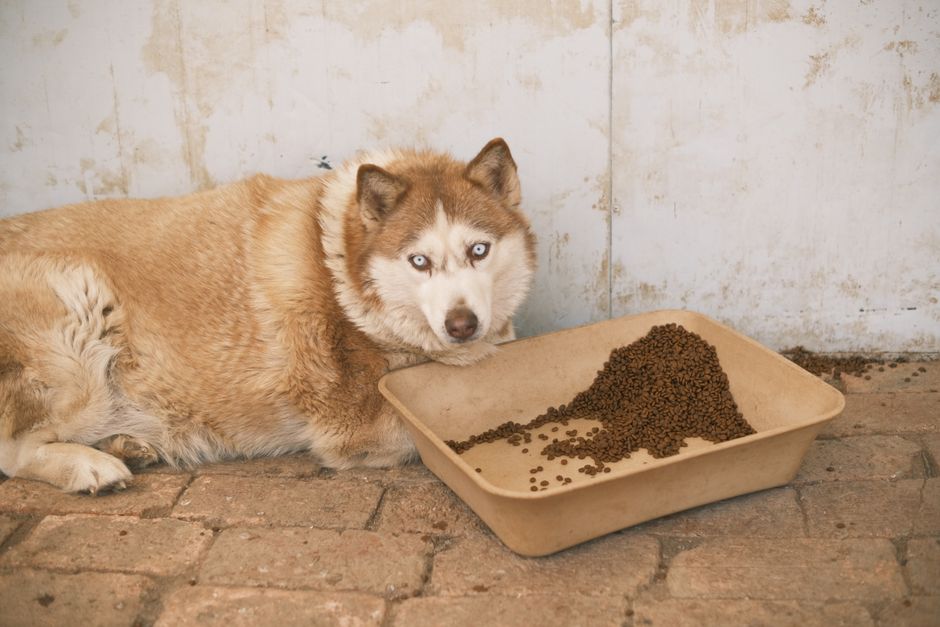
Why Your Siberian Husky Might Need a Weight Loss Diet
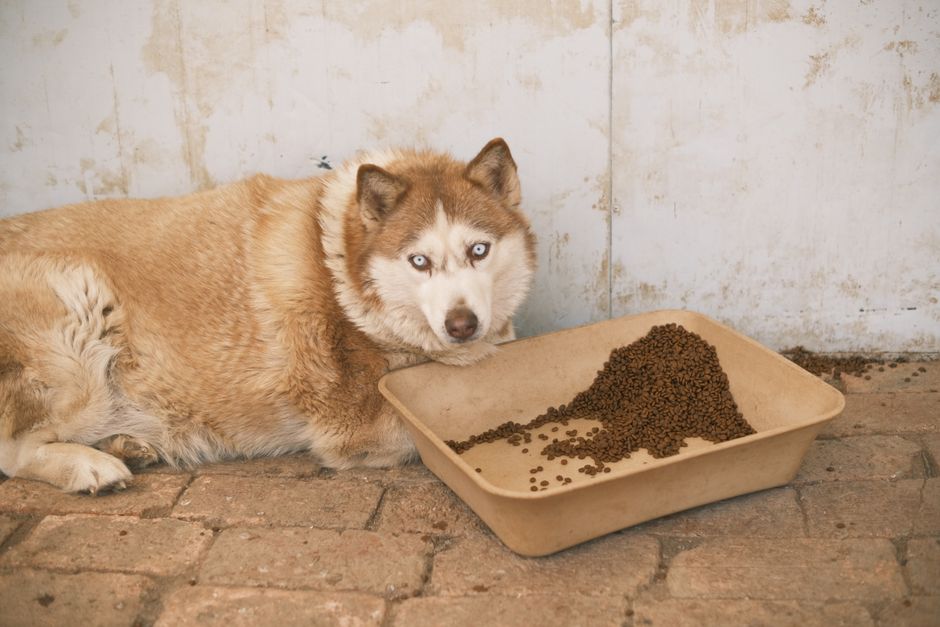
Siberian Huskies are naturally athletic dogs bred for endurance. However, many pet Huskies become overweight due to overfeeding, lack of exercise, or genetic predisposition. Excess weight can lead to joint problems, diabetes, and reduced lifespan. This guide will help you implement a safe and effective weight loss plan for your Husky.

Assessing Your Husky's Body Condition
Before starting a diet, determine if your Husky is truly overweight. Use the Body Condition Score (BCS) system on a scale of 1-9, with 4-5 being ideal. For a Husky, you should be able to feel the ribs with a thin fat layer, see a visible waist when viewed from above, and a tuck-up at the abdomen. If you cannot feel the ribs or there is no waist, your Husky needs to lose weight.
How to Perform a Simple Rib Check
Place your hands on your Husky's ribcage. If the ribs feel like the back of your hand (knuckles not prominent but easily felt), that's ideal. If you have to press hard to feel them, your Husky is overweight. If the ribs are very prominent with no fat cover, your Husky is underweight.
Setting a Safe Weight Loss Goal
Weight loss should be gradual. The recommended rate is 1-2% of body weight per week. For example, a 55-pound Husky should lose 0.5-1 pound per week. Rapid weight loss can cause health issues. Consult your veterinarian to determine the ideal weight for your dog's frame.
Calculating Daily Caloric Needs
A typical inactive Husky needs about 20-30 calories per pound of ideal body weight per day for weight loss. So if your Husky should weigh 50 pounds, feed 1000-1500 calories daily. Active dogs may need slightly more. Use this formula: (Ideal weight in kg) ^ 0.75 × 70 × 0.8 (for weight loss). Always adjust based on your dog's response.
Choosing the Right Diet Food
Switch to a high-protein, low-carbohydrate food designed for weight management. Look for a protein content above 30% and fat around 10-15%. Avoid foods with fillers like corn, wheat, or soy. Consider a high-fiber diet to keep your Husky full. You can also incorporate healthy vegetables like green beans, carrots, and pumpkin (plain, not pie filling) to add volume without many calories.
Sample Low-Calorie Vegetable Toppers
| Vegetable | Calories per cup | Benefits |
|---|---|---|
| Green beans (fresh/canned no salt) | ~30 | High fiber |
| Steamed carrots | ~50 | Vitamin A |
| Plain pumpkin (canned) | ~80 | Digestive health |
Creating a Feeding Schedule
Divide your Husky's daily food into two or three smaller meals to boost metabolism and reduce hunger. Stick to a consistent schedule. Never free-feed. Measure every portion with a kitchen scale for accuracy. Use a reliable food calculator or consult a veterinarian.
Incorporating Exercise
Exercise is crucial for weight loss but avoid overworking an overweight Husky. Start with low-impact activities like brisk walks, swimming, or gentle play. Gradually increase duration and intensity. Aim for 30-60 minutes per day divided into sessions. Always monitor your dog's stamina and avoid heatstroke – Huskies are prone to overheating.
Sample Weekly Exercise Plan
- Monday: 20-minute walk + 10-minute fetch
- Tuesday: 15-minute swim (if available) + 15-minute walk
- Wednesday: Rest or gentle play
- Thursday: 30-minute walk
- Friday: 20-minute walk + 10-minute tug
- Saturday: Longer walk or hike (45-60 minutes)
- Sunday: Rest or low activity
Monitoring Progress
Weigh your Husky every two weeks at the same time of day using a baby scale or vet scale. Record the weight. Also reassess body condition monthly. If weight loss stalls, reduce calories by 10% or increase exercise. If your Husky is losing too fast, increase food slightly. Keep a journal.
Common Mistakes to Avoid
- Cutting food too drastically: Can lead to nutritional deficiencies and muscle loss.
- Not accounting for treats: Treats should not exceed 10% of daily calories. Use low-calorie options like blueberries, cucumbers, or small pieces of carrot.
- Neglecting water: Ensure fresh water is always available, especially during weight loss.
- Ignoring medical issues: Hypothyroidism, Cushing's disease, or other conditions can cause obesity. Get a vet check before starting a diet.
- Overexercising: Too much high-impact activity can damage joints in overweight dogs.
Conclusion
A successful weight loss diet for your Siberian Husky requires patience, consistency, and a holistic approach combining nutrition, exercise, and health monitoring. Work closely with your veterinarian, set realistic goals, and celebrate small victories. A healthy weight will add years to your Husky's life and improve their quality of life.
Recommended Products for Your Husky
As an Amazon Associate, we earn from qualifying purchases. Learn more.
- Husky Care Essentials — Check price on Amazon
- Best-Selling Dog Gear — Check price on Amazon
- Newest Husky Products — Check price on Amazon
Frequently Asked Questions
How much should I feed my Husky?
Most adults eat 1.5–2 cups of quality kibble split into two meals. Adjust for age, weight, and activity — working dogs need more, couch potatoes less.
What is the best food for a Husky?
Look for a meat-first formula with 25–30% protein and healthy fats. Many owners use salmon- or lamb-based foods for coat and skin health.
How often should Huskies eat?
Adults do well on two meals a day. Puppies under six months need three to four smaller feedings to avoid blood-sugar dips.
Editor's Note
We've watched countless husky owners treat feeding like a guessing game, and the pattern is always the same: free-feeding leads to a dog who begs constantly and crashes midday. Two measured meals at fixed times fixed the erratic energy we kept hearing about.
Sources & Further Reading
HuskySpot researches each topic against recognized breed and veterinary authorities. The following organizations inform our content: