Safe and Nutritious Vegetables for Your Siberian Husky
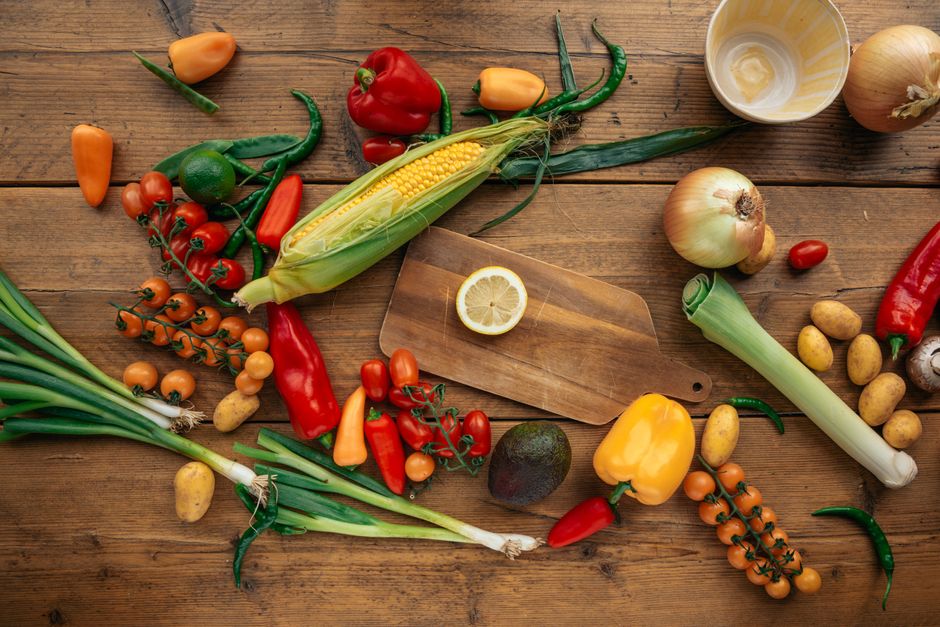
Adding vegetables to your Siberian Husky's diet can provide essential vitamins, minerals, and fiber. However, not all vegetables are safe. This guide covers which vegetables are beneficial, how to prepare them, and which to avoid.
Why Include Vegetables in Your Husky's Diet?
Siberian Huskies are active dogs that thrive on a balanced diet. Vegetables offer antioxidants, support digestion, and can even help maintain a healthy weight. They are low in calories and high in nutrients, making them excellent treats or meal toppers.
List of Safe Vegetables for Huskies
The following vegetables are safe for your Husky when prepared correctly. Always introduce new foods gradually and in small quantities.
| Vegetable | Benefits | Preparation Tips |
|---|---|---|
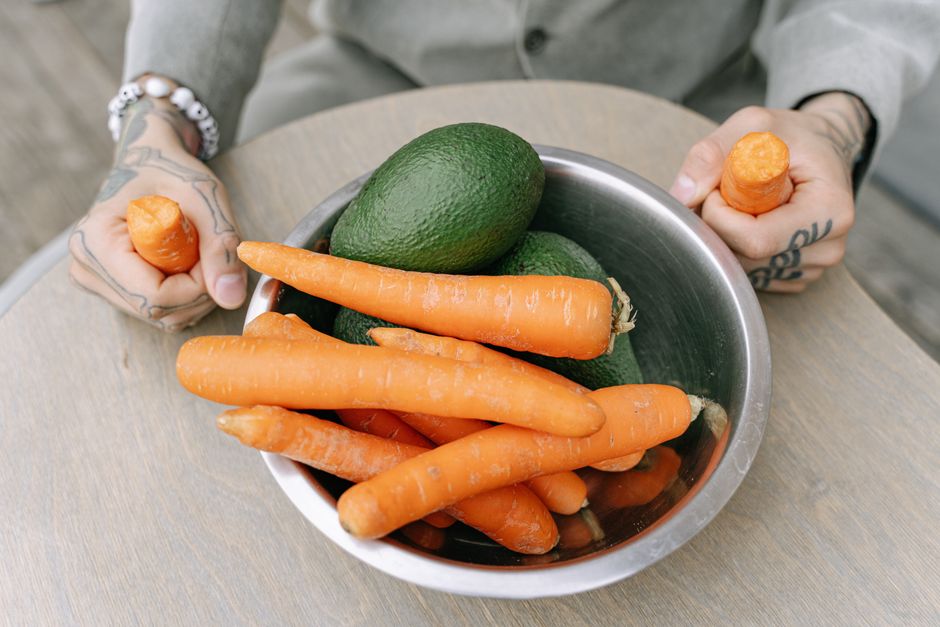
| Carrots | Rich in beta-carotene, vitamin A, and fiber. Good for eye health and dental cleaning. | Wash, peel, and cut into bite-sized pieces. Raw or steamed. |
| Green beans | Low-calorie, high in vitamins C and K, manganese, and fiber. | Remove ends, chop into small pieces. Serve steamed or raw. |
| Sweet potatoes | Excellent source of vitamins A, B6, C, potassium, and fiber. Supports immune system. | Cook thoroughly (baked, boiled, steamed) without seasoning. Remove skin if desired. Serve mashed or cubed. |
| Broccoli | Contains vitamins C, K, and fiber. Antioxidants for overall health. | Steam or blanch to reduce goitrogens. Chop stalks into small pieces. Limit to less than 10% of daily diet. |
| Spinach | Rich in iron, calcium, and vitamins A, C, and K. Beneficial in moderation. | Wash thoroughly and chop. Lightly steam to aid digestion. Avoid if your dog has kidney issues due to oxalates. |
| Celery | Low in calories, high in vitamins A, C, and K. Contains folate, potassium, and fiber. | Wash, cut into small pieces to prevent choking. Serve raw or steamed. |
| Cucumber | Hydrating and low-calorie. Contains vitamins K and C, magnesium, and potassium. | Wash and slice into small cubes. Serve raw without seeds (optional). |
| Zucchini | Low calorie, high in fiber, vitamins C and B6, and manganese. | Wash and chop. Serve raw or steamed. No seasoning. |
| Peas | Good source of vitamins A, B, K, and fiber. Also contain iron, zinc, and magnesium. | Use fresh or frozen peas. Steam or boil without seasoning. Mash for easier digestion. |
| Pumpkin | Excellent for digestive health due to high fiber. Rich in vitamins A, E, and iron. | Cook plain pumpkin (not pie filling). Puree or cut into small cubes. Serve in small amounts. |
How to Safely Prepare Vegetables for Your Husky
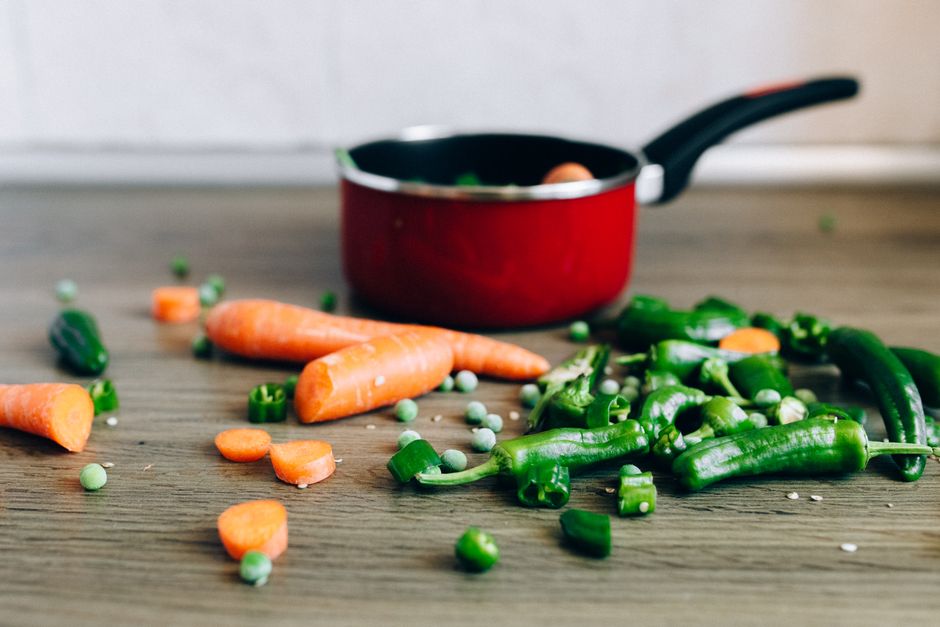
Proper preparation is key to ensure your Husky benefits from vegetables without risks.
- Wash thoroughly: Remove dirt, pesticides, and bacteria by rinsing under cold water.
- Cut into small pieces: Huskies may not chew thoroughly. Chop vegetables into bite-sized portions to prevent choking.
- Cook when necessary: Some vegetables like sweet potatoes and broccoli are easier to digest when cooked. Steaming or boiling without salt, oil, or spices is best.
- Avoid additives: Never add salt, sugar, garlic, onions, or any seasoning. These can be toxic to dogs.
- Introduce gradually: Start with a small amount (e.g., a teaspoon) and watch for any digestive upset (gas, diarrhea). If tolerated, increase slowly.
Recommended Portion Sizes
Vegetables should only form a small part of your Husky's diet. Too many vegetables can cause digestive issues or imbalance nutrients.
- For a typical Siberian Husky (45-60 lbs), start with 1-2 tablespoons of vegetables per day.
- Use vegetables as occasional treats or toppers for their regular meals.
- Vegetables should not exceed 10% of the total daily food intake.
- Consult your veterinarian before making any major dietary changes, especially if your Husky has health conditions.
Vegetables and Fruits to Avoid
Some vegetables are toxic or harmful to dogs. Never feed these to your Husky.
- Onions and garlic: Can cause hemolytic anemia. Avoid all forms (raw, cooked, powder).
- Avocado: Contains persin, which can cause vomiting and diarrhea.
- Mushrooms: Wild mushrooms can be toxic. Even store-bought mushrooms are best avoided as they offer little nutritional benefit.
- Raw potatoes: Contain solanine, which is toxic. Cooked potatoes (without skin) are safe in moderation.
- Rhubarb: Contains oxalates that can cause kidney damage.
- Tomatoes (green parts): The stems and leaves contain solanine. Ripe red tomatoes in small amounts are usually safe, but many experts advise avoiding altogether.
Health Benefits of Including Vegetables
Regular inclusion of safe vegetables can improve your Husky's overall well-being.
- Digestive health: Fiber from vegetables like pumpkin and green beans helps regulate bowel movements.
- Weight management: Low-calorie vegetables like cucumber and celery can help your Husky feel full without extra calories.
- Immune support: Antioxidants in carrots, spinach, and broccoli boost the immune system.
- Dental health: Crunchy carrots can help remove plaque and massage gums.
Creative Ways to Serve Vegetables
Make vegetables more appealing and enjoyable for your picky Husky.
- Mix with meals: Stir finely chopped or pureed vegetables into their kibble or wet food.
- Frozen treats: Puree vegetables like carrot or spinach with water (or unsalted broth) and freeze in ice cube trays.
- Stuff a Kong: Fill a Kong toy with mashed sweet potato or green beans, then freeze for a longer-lasting treat.
- Training rewards: Use small pieces of cucumber or carrot as low-calorie training treats.
Frequently Asked Questions
Can Huskies eat vegetables every day?
Yes, but in small amounts. Daily vegetables can be part of a balanced diet as long as they don't exceed 10% of total food and your dog tolerates them well.
Are frozen vegetables safe?
Yes, frozen vegetables (without added sauces or seasonings) are convenient and retain nutrients. Thaw them before serving.
Can I give my Husky vegetable scraps from my meals?
Only if the vegetables are plain and not cooked with salt, oil, onions, or garlic. Even then, avoid scraps that are high in fat or seasoning.
Conclusion
Incorporating safe vegetables into your Siberian Husky's diet can enhance their nutrition and provide healthy variety. Always prioritize safety by choosing from the list above, preparing properly, and monitoring your dog's reaction. When in doubt, consult your veterinarian. Start with small servings and enjoy watching your Husky thrive with these nutritious additions.
Recommended Products for Your Husky
As an Amazon Associate, we earn from qualifying purchases. Learn more.
- Husky Care Essentials — Check price on Amazon
- Best-Selling Dog Gear — Check price on Amazon
- Newest Husky Products — Check price on Amazon
Editor's Note
We've seen more zinc issues in huskies than any other breed we cover. Red, crusty noses in winter? Check the diet for bioavailable zinc before reaching for the vet bill. Meat and fish sources matter more than owners expect.
Sources & Further Reading
HuskySpot researches each topic against recognized breed and veterinary authorities. The following organizations inform our content: