Common Skin Problems in Siberian Huskies
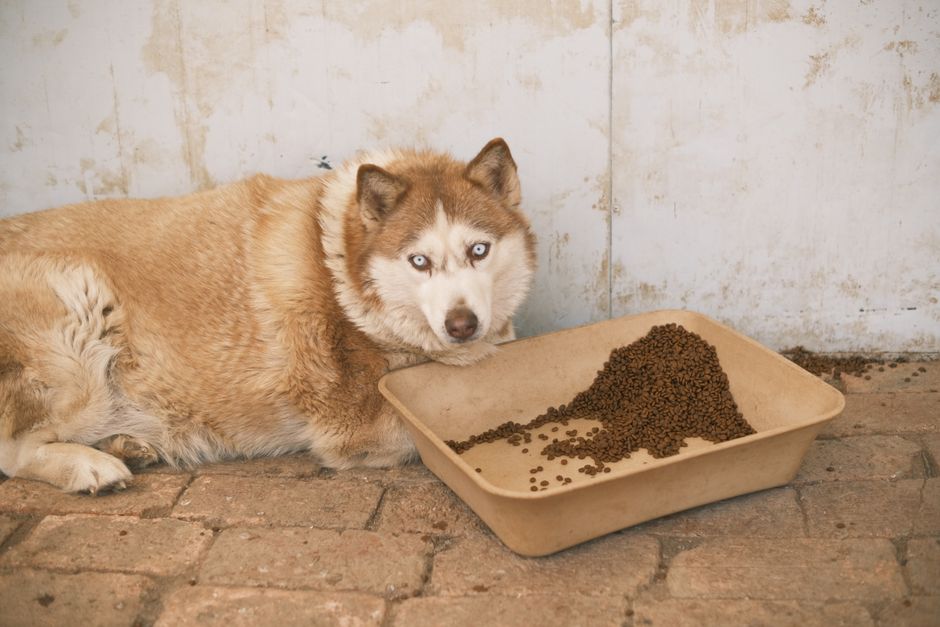
Huskies are prone to a range of skin issues, including allergies (environmental and food), hot spots, dry flaky skin, and dermatitis. These conditions often cause itching, redness, hair loss, and discomfort. While genetics play a role, diet is a crucial factor in managing and preventing these problems.
The Connection Between Diet and Skin Health
Your Husky's skin is the largest organ and reflects overall health. A poor diet lacking essential nutrients can lead to a weakened skin barrier, inflammation, and immune dysfunction. Conversely, a balanced, nutrient-rich diet supports healthy skin and coat, reduces inflammation, and can even alleviate allergy symptoms. Key components include omega fatty acids, high-quality protein, vitamins, and minerals.
Key Nutrients for Healthy Husky Skin
- Omega-3 and Omega-6 fatty acids: Reduce inflammation, moisturize skin, and support coat shine. Sources: fish oil, flaxseed, chia seeds.
- Vitamin E: Antioxidant that protects skin cells from damage. Sources: sunflower oil, almonds, spinach.
- Zinc: important for wound healing and immune function. Sources: meat, shellfish, pumpkin seeds.
- Biotin (Vitamin B7): Promotes healthy skin and coat. Sources: eggs, liver, sweet potatoes.
Best Foods for a Husky with Skin Problems
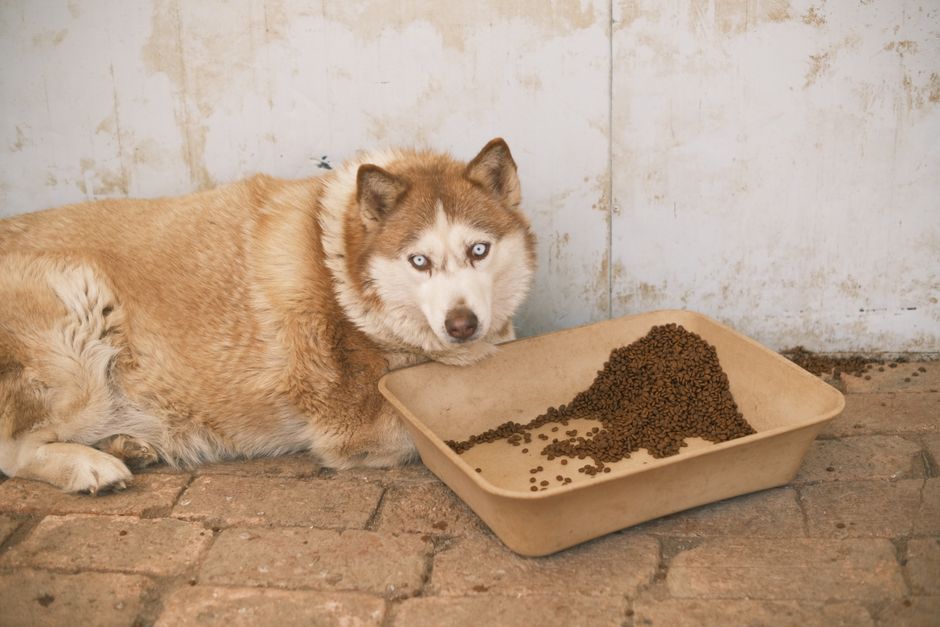
Choose high-quality commercial foods or homemade diets that include:
- High-quality protein: Salmon, turkey, lamb, or chicken (if not allergic). Protein provides amino acids for skin repair.
- Omega-rich fish: Salmon, sardines, mackerel – ideal for their anti-inflammatory properties.
- Complex carbohydrates: Sweet potatoes, brown rice, oatmeal provide fiber and energy without spiking blood sugar.
- Vegetables: Carrots, spinach, kale for vitamins and antioxidants.
- Healthy fats: Coconut oil, fish oil, flaxseed oil.
Foods to Avoid for Husky Skin Health
- Common allergens: Wheat, corn, soy, dairy, eggs, and beef (many huskies have sensitivities).
- Artificial additives: Preservatives, colors, and flavors can trigger reactions.
- Fillers: By-products, cellulose, and excessive grains offer little nutrition.
- High-sugar foods: Can worsen inflammation and yeast overgrowth.
Sample Meal Plan for a Husky with Skin Issues
Below is a sample 3-day rotation for a 50 lb (22.7 kg) adult husky. Adjust portions based on your dog's weight and activity level.
| Day | Meal | Food |
|---|---|---|
| Day 1 | Breakfast | 1.5 cups salmon-based kibble + 1 tbsp fish oil + 1/4 cup steamed carrots |
| Day 1 | Dinner | 1 cup cooked brown rice + 1/2 cup cooked turkey + 1/4 cup spinach |
| Day 2 | Breakfast | 1.5 cups lamb-based kibble + 1 tsp coconut oil + 1/4 cup blueberries |
| Day 2 | Dinner | 1/2 cup pumpkin puree + 1/2 cup cooked quinoa + 1/4 cup sardines (packed in water) |
| Day 3 | Breakfast | 1.5 cups venison-based kibble + 1 tbsp flaxseed oil + 1/4 cup sliced apple (no seeds) |
| Day 3 | Dinner | 1 cup cooked oatmeal + 1/2 cup ground turkey + 1/4 cup kale |
Note: Always consult your vet before changing diets, especially if your dog has known allergies.
Supplements to Support Skin Health
- Fish oil (omega-3): Excellent for reducing inflammation. Dosage: ~1000 mg per 30 lbs body weight daily.
- Probiotics: Improve gut health, which is linked to skin health. Look for canine-specific strains.
- Coconut oil (MCTs): Can be added to food for antimicrobial benefits and moisture. Start with 1 tsp per day.
- Vitamin E: Antioxidant that helps with healing. Break open a capsule (400 IU) into food once daily.
- Biotin: Supports keratin production. Dosage: 5-10 mg per day.
Tips for Transitioning Your Husky's Diet
To avoid digestive upset, transition over 7-10 days. Mix increasing amounts of new food with old food: Days 1-3: 25% new, 75% old; Days 4-6: 50/50; Days 7-9: 75% new, 25% old; Day 10: 100% new. Monitor stool consistency, energy, and skin condition during the change.
When to See a Vet
If your Husky has severe itching, bald patches, open sores, or signs of infection, consult a veterinarian. They can perform allergy testing, skin scrapings, and recommend prescription diets or medications. For minor issues, diet modification often brings significant improvement within 4-8 weeks.
By feeding a skin-supportive diet rich in omega-3s, quality protein, and vegetables, you can help your Husky enjoy a comfortable, itch-free life. Start with small changes and track progress – your dog's coat will thank you!
Recommended Products for Your Husky
As an Amazon Associate, we earn from qualifying purchases. Learn more.
- Premium Husky Food — Check price on Amazon
- Grain-Free Kibble — Check price on Amazon
- High-Protein Food — Check price on Amazon
Frequently Asked Questions
Why is my Husky not eating?
A Husky skipping one meal is often fine — the breed is famously picky. Refusal beyond 24–48 hours, with lethargy, needs a vet check.
Should I feed grain-free food?
Grain-free is not inherently better and has been linked to heart concerns in some dogs. Whole grains are safe for most Huskies.
How do I switch dog foods safely?
Mix the new food in over 7–10 days, increasing the ratio gradually. A sudden switch causes vomiting or diarrhea.
Editor's Note
Our team weighs every new husky client's food for the first two weeks. Almost all were overfeeding by 20-30% based on the bag's optimistic chart. Body condition beats the printed label every single time.
Sources & Further Reading
HuskySpot researches each topic against recognized breed and veterinary authorities. The following organizations inform our content: