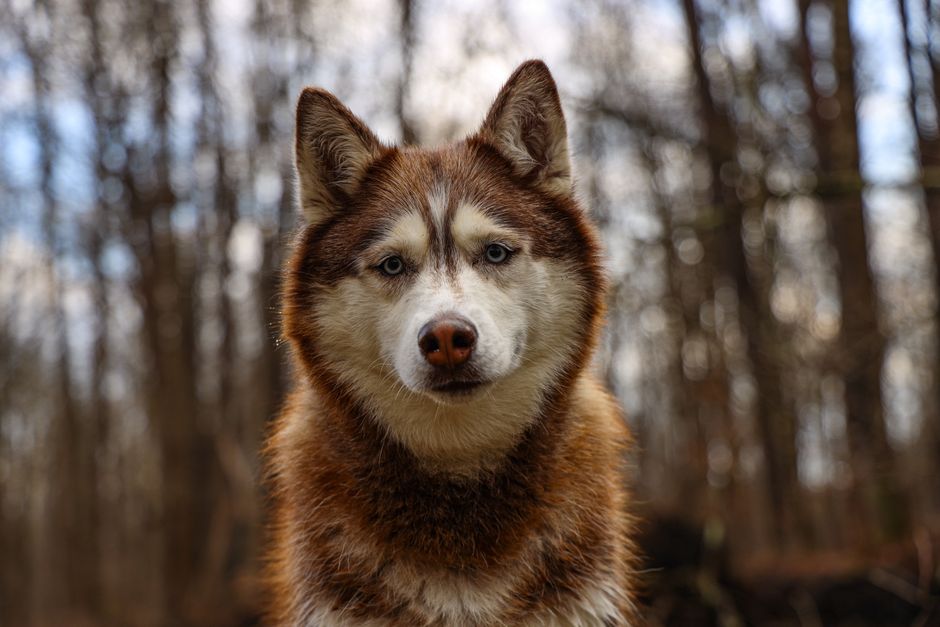
Introduction to Dangerous Foods for Huskies
Siberian Huskies are curious and energetic dogs that often investigate everything with their mouths. While they have a hardy constitution, certain common foods can be toxic or even fatal. This guide provides a comprehensive list of foods that are dangerous for Huskies, along with practical tips to keep your companion safe. Always consult a veterinarian immediately if you suspect your dog has ingested something harmful.
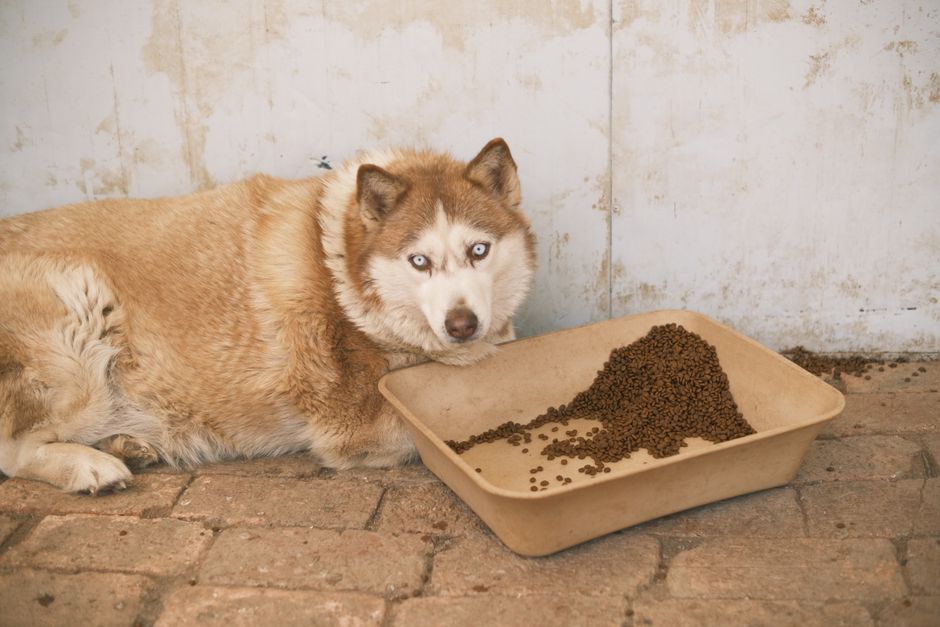
Common Toxic Foods for Huskies
| Food | Why It's Dangerous | Symptoms of Toxicity |
|---|---|---|
| Chocolate | Contains theobromine and caffeine, which dogs cannot metabolize. | Vomiting, diarrhea, rapid heart rate, seizures, even death. |
| Grapes & Raisins | Can cause acute kidney failure, even in small amounts. | Lethargy, loss of appetite, vomiting, decreased urination. |
| Onions & Garlic | Damage red blood cells leading to hemolytic anemia. | Weakness, pale gums, red urine, collapse. |
| Xylitol (artificial sweetener) | Rapid insulin release causing hypoglycemia, liver failure. | Vomiting, loss of coordination, seizures, coma. |
| Macadamia Nuts | Causes weakness, depression, tremors, hyperthermia. | Weakness in hind legs, panting, joint stiffness. |
| Alcohol & Caffeine | Highly toxic to the nervous system and organs. | Vomiting, disorientation, tremors, respiratory failure. |
Fruits and Berries Huskies Should Avoid
Avocado
Avocado contains persin, a fungicidal toxin that causes vomiting and diarrhea. Although the flesh has less persin, the pit, skin, and leaves are highly concentrated. Do not feed avocado to your Husky.
Cherries, Plums, and Peaches (Pits)
The pits of these fruits contain cyanide, which can be lethal. The flesh in small amounts is safe, but the risk of obstruction from the pit is high. Avoid entirely.
Tomatoes (Green parts)
Green tomatoes, stems, and leaves contain solanine, which causes gastrointestinal upset, weakness, and confusion. Ripe red tomatoes in small amounts are usually safe, but it's best to avoid altogether.
Vegetables and Legumes to Keep Away
Raw Potatoes and Rhubarb (Leaves)
Raw potatoes contain solanine, especially in the skin, and can cause heart and nerve issues. Rhubarb leaves contain oxalates, leading to kidney problems. Cooked plain potatoes are okay in moderation.
Mushrooms
Wild mushrooms can be highly toxic. Even store-bought mushrooms might cause upset if seasoned. Avoid all mushrooms to be safe.
Onions, Garlic, Leeks, Chives
All members of the allium family are toxic. This includes powder, soup, or any form. They damage red blood cells over time. Even small amounts regularly can cause anemia.
Human Foods That Are Harmful
- Fatty Foods: Bacon, sausage, ham: high fat can trigger pancreatitis. Symptoms include vomiting, abdominal pain, lethargy.
- Salty Snacks: Chips, pretzels: excessive salt causes sodium ion poisoning. Look for vomiting, diarrhea, excessive thirst, tremors.
- Dairy Products: Many Huskies are lactose intolerant. Milk, cheese, ice cream can cause diarrhea and gas. Offer small amounts of plain yogurt if tolerated.
- Raw Dough: Yeast dough rises in the stomach, causing bloating and alcohol production. Can be life-threatening.
- Cooked Bones: Especially poultry bones, can splinter and cause perforation or obstruction. Only give raw bones under supervision.
Foods That Are Safe in Moderation
Not all human foods are off-limits. Here are some safe treats for Huskies:
- Plain cooked lean meats (chicken, turkey, beef)
- Plain boiled vegetables (carrots, green beans, sweet potato)
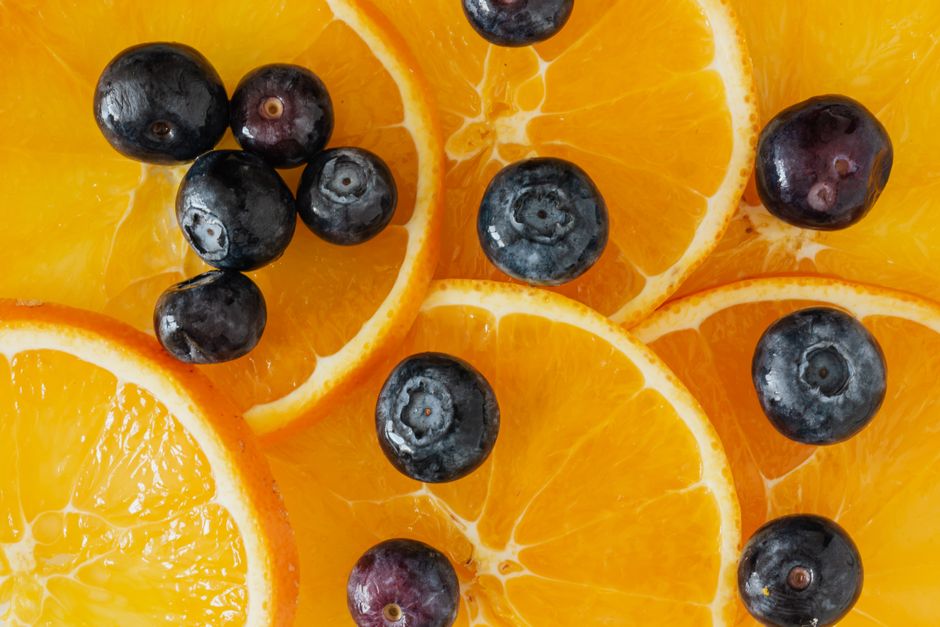
- Fruits like apple slices (no seeds), blueberries, and watermelon (seedless)
- Plain cooked eggs
- Plain rice or pasta (in small amounts)
Always introduce new foods slowly and watch for adverse reactions. Treats should make up no more than 10% of your Husky’s daily calorie intake.
Emergency Guide: What to Do If Your Husky Eats Something Dangerous
- Stay calm and remove the food from reach.
- Identify the substance and approximate amount ingested.
- Contact your veterinarian or an emergency pet poison hotline (e.g., ASPCA Animal Poison Control at 888-426-4435).
- Do not induce vomiting unless instructed, as some toxins cause more damage when vomited.
- Monitor your dog for symptoms like vomiting, diarrhea, lethargy, or seizures.
- Bring a sample of the food or packaging to the vet for identification.
Remember, prevention is key. Keep all dangerous foods stored securely and educate your family and guests not to feed your Husky without permission.
Conclusion
Knowing which foods are dangerous for your Siberian Husky is important for responsible ownership. By avoiding the items listed above and sticking to a balanced diet of high-quality dog food and safe treats, you can help your Husky live a long, healthy life. When in doubt, always check with your vet before offering your dog anything new.
Recommended Products for Your Husky
As an Amazon Associate, we earn from qualifying purchases. Learn more.
- Premium Husky Food — Check price on Amazon
- Grain-Free Kibble — Check price on Amazon
- High-Protein Food — Check price on Amazon
Frequently Asked Questions
What human foods are toxic to Huskies?
Never feed chocolate, grapes, raisins, onions, garlic, xylitol, or cooked bones. These can cause kidney failure, anemia, or gut perforation.
Why is my Husky not eating?
A Husky skipping one meal is often fine — the breed is famously picky. Refusal beyond 24–48 hours, with lethargy, needs a vet check.
Should I feed grain-free food?
Grain-free is not inherently better and has been linked to heart concerns in some dogs. Whole grains are safe for most Huskies.
Editor's Note
In our experience the 'husky eats nothing' panic is overblown. A healthy husky will skip a meal and be fine. The ones we worried about were the ones who stopped drinking—that's the real red flag owners miss.
Sources & Further Reading
HuskySpot researches each topic against recognized breed and veterinary authorities. The following organizations inform our content: