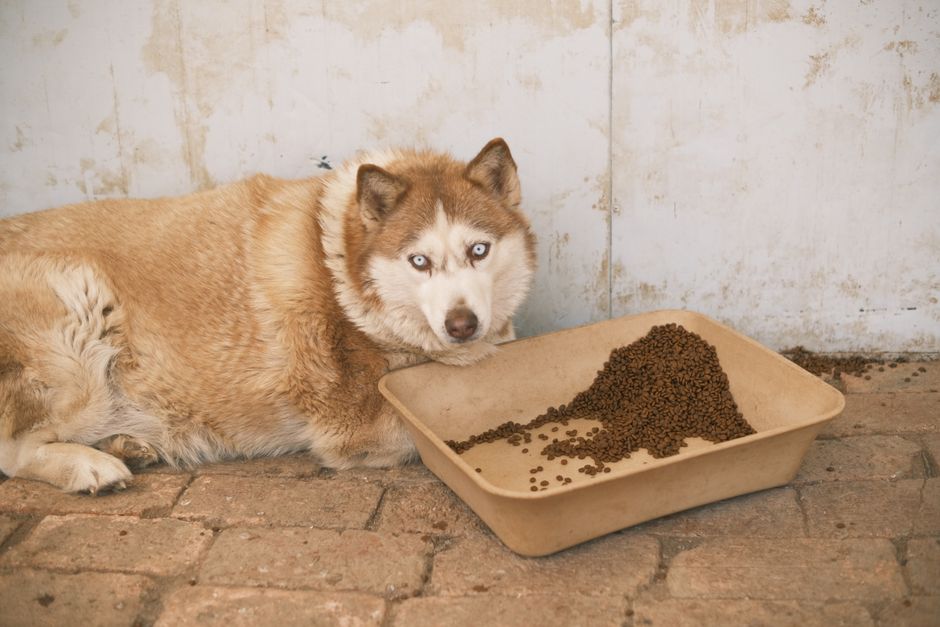
Understanding Your Siberian Husky's Nutritional Needs
Whatever your Siberian Husky's age, health status, or energy level, their food must provide complete and balanced nutrition. Huskies are a unique breed with specific requirements that differ from many other dogs. As a responsible owner, you need to learn how to properly feed your Husky to ensure they thrive, maintain a healthy weight, and avoid common dietary pitfalls.
High Energy and Metabolism
The Siberian Husky is an athletic, working breed originally developed to pull sleds over long distances. This history has given them a high metabolism and a remarkable ability to burn energy. However, it's a common mistake to assume they always need huge amounts of food. In fact, Huskies are known for being extremely efficient with energy. Many adult Huskies do well on 1.5 to 2 cups of high-quality dry food per day, split into two meals. Overfeeding can quickly lead to obesity, placing stress on their joints and heart.
Seasonal Eating Habits
One of the most fascinating characteristics of the Siberian Husky is their ability to self-regulate food intake based on season and activity level. They will naturally eat more during cold winters or periods of heavy exercise, and they may eat far less or even skip meals entirely during hot summer months. This is normal, as long as your Husky is not losing weight drastically and maintains a healthy body condition. Do not force a Husky to eat if they are not interested; they are highly adept at regulating their own caloric needs.
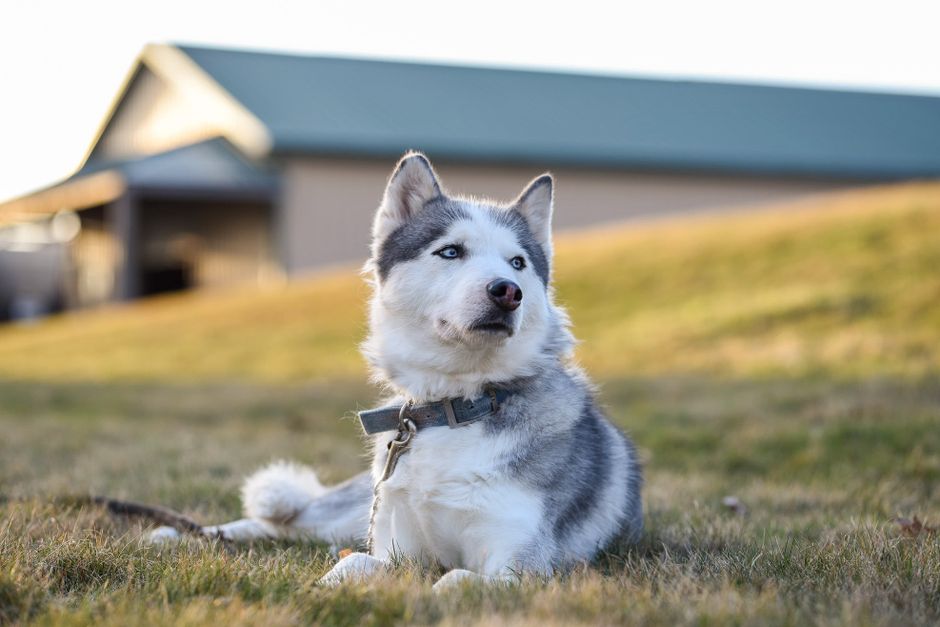
Key Nutrients for Huskies
When you look at a dog food label, you need to understand the essential nutrients your Husky requires. The Association of American Feed Control Officials (AAFCO) sets minimum standards, but Huskies often benefit from a slightly different profile than the generic standard.
Protein
Protein is the most critical nutrient for Huskies. It provides the amino acids necessary for muscle maintenance, immune function, and energy. For an active or working Husky, aim for a food with at least 22-30% protein. Look for high-quality animal sources like chicken, beef, fish, lamb, or turkey listed as the first ingredient. Avoid foods where the primary protein source is plant-based, as Huskies do not digest plant proteins as efficiently.
Fat
Fat is the most concentrated source of energy for dogs. It also aids in the absorption of fat-soluble vitamins and supports a healthy skin and coat. A Husky on a high-calorie diet should have a fat content of around 12-18%. Omega-3 and Omega-6 fatty acids are particularly beneficial, helping to reduce inflammation and improve cognitive function. Fish oil is a superb supplement for Huskies, especially those with dry skin or a dull coat.
Carbohydrates
While not strictly essential, carbohydrates provide quick energy and fiber for digestive health. Huskies can thrive on low-carb diets, but complex carbohydrates like sweet potato, brown rice, and oatmeal are healthier than simple fillers like corn or wheat. Look for a food with whole grains or vegetables – these provide stable energy without causing blood sugar spikes.
Vitamins and Minerals
Essential vitamins (A, D, E, and B-complex) and minerals (calcium, phosphorus, potassium, and zinc) must be present in appropriate ratios. Calcium and phosphorus are crucial for bone health, especially in growing Husky puppies. A diet that is too high in calcium or has an imbalanced Ca:P ratio can cause skeletal deformities. For this reason, you should never feed all-meat diets without adding organ meats and bone or a commercial mineral supplement.
Water
Even though water isn't a nutrient per se, it's the most vital element. Always ensure your Husky has access to clean, fresh water – especially after exercise. Dehydration can lead to heatstroke, especially since Huskies have thick double coats that make it hard for them to cool down.

How Much to Feed Your Husky
The exact amount depends on your Husky's age, weight, activity level, and the type of food you're feeding. These guidelines are a starting point, and you'll need to adjust based on your dog's individual needs and body condition.
| Life Stage | Weight (lbs) | Daily Amount (cups) |
|---|---|---|
| Puppy (2-6 months) | 10-30 | 1.5 - 3 |
| Puppy (6-12 months) | 30-50 | 2 - 4 |
| Adult (active) | 35-60 | 2 - 3 |
| Adult (sedentary) | 35-60 | 1.5 - 2 |
| Senior (7+ years) | 35-60 | 1.5 - 2 |
Always split this amount into two or three meals rather than free-feeding, as Huskies are prone to bloat if they eat too quickly. Use a measuring cup to ensure accuracy, and monitor your Husky's waistline. You should be able to feel their ribs without a deep layer of fat.
Choosing the Right Dog Food
With hundreds of dog food brands on the market, selecting the best one can be overwhelming. Here are some key tips:
- Read the label: The first three ingredients should be animal proteins, not grains or by-products.
- Avoid artificial additives: Steer clear of artificial colors, flavors, and preservatives like BHA/BHT.
- Consider life stage: Puppies need a higher-calorie food with extra protein and calcium. Seniors may need fewer calories and joint-supporting supplements.
- Look for AAFCO statement: Ensure the food meets AAFCO standards for complete and balanced nutrition.
Dry Food vs. Wet Food vs. Raw
Dry kibble is the most convenient, affordable, and widely used option. It helps keep teeth clean but is higher in carbs. Canned wet food has higher moisture content, which is great for hydration, but it's more expensive and can contribute to dental issues if used exclusively. A raw diet (BARF) is increasingly popular, and many Huskies thrive on it. It typically consists of raw meat, bones, organs, and vegetables. If you choose raw, you must be meticulous about food safety and ensure a proper calcium-to-phosphorus balance. Consult with a veterinarian who supports raw feeding.
Ingredients to Avoid
- Corn, wheat, and soy — these are common allergens and fillers.
- Meat by-products or meat meal with unspecified sources.
- Artificial sweeteners like xylitol (toxic).
- Excessive salt or sugar.
Common Feeding Problems in Huskies
Picky Eating
Huskies are famous for being picky eaters. They may refuse a meal entirely and then eat the next one normally. This is a result of their self-regulating appetite. As long as your husky maintains a healthy weight, don't cater to pickiness by offering several human foods or changing brands constantly. That can create a spoiled eater. Instead, stick to a schedule and remove the bowl after 20 minutes.
Food Allergies and Sensitivities
Huskies are prone to skin allergies, and food can be a trigger. The most common allergens are beef, dairy, chicken, wheat, and eggs. Symptoms include itchy skin, ear infections, chronic licking, and gastrointestinal upset. If you suspect a food allergy, work with your vet to perform an elimination diet to identify the culprit and switch to a novel protein like duck or venison.
Bloat (Gastric Dilatation-Volvulus)
Deep-chested breeds like the Husky are at higher risk for bloat. This is a life-threatening emergency where the stomach twists. To reduce the risk:
- Feed two or three smaller meals instead of one large one.
- Don't allow your Husky to exercise vigorously right before or after eating.
- Use a slow feeder bowl to prevent gulping.
- Avoid elevated food bowls unless your vet recommends them for a specific reason.
Supplements for Huskies
While a high-quality commercial diet is complete, adding certain supplements can enhance your Husky's health:
- Fish Oil: Rich in Omega-3s, supports skin, coat, joints, and heart health.
- Probiotics: Promote a healthy gut microbiome, especially after antibiotic use or during seasonal gut issues.
- Glucosamine and Chondroitin: Useful for older Huskies or those with joint problems.
- Vitamin E: A strong antioxidant that supports immune function and skin health.
Always consult your veterinarian before adding supplements, as over-supplementation can cause more harm than good.
Special Considerations for Puppies, Adults, and Seniors
Puppies
Husky puppies grow rapidly, so they need a high-quality puppy food containing about 25-30% protein and 15-20% fat. Feed them three times a day until six months old, then twice a day. Be careful not to overfeed; Husky puppies are prone to catching up in weight quickly. Look for signs of excessive growth – a protruding belly may indicate overfeeding. The goal is a lean, athletic puppy.
Adults
Adult Huskies (1-7 years) should be fed twice daily. The amount depends on their activity level. If they are a family pet that only gets a daily walk, they need less food than a sled dog or a canine athlete. Check body condition regularly, and reduce portions if your Husky becomes overweight. Keep an eye on treats; they should not make up more than 10% of daily calories.
Seniors
As Huskies age, their metabolism slows down and they become less active. Around 7-8 years old, switch to a senior formula that has fewer calories but more fiber and joint-supporting nutrients. Many seniors also benefit from smaller, more frequent meals to aid digestion. Regular veterinary checkups can help you adjust their diet as they age.
Feeding Schedule and Tips
Consistency is key at any age. Feed your Husky at the same times each day, in a quiet space away from distractions. Follow these practical tips:
- Establish a routine – morning and evening meals are best.
- Use a heavy, non-slip bowl to prevent tipping.
- Measure every meal – don't guess.
- Introduce new foods gradually over 7-10 days to avoid digestive upset.
- Provide plenty of exercise before and after meals (avoid intense exercise for an hour after eating).
- Regularly evaluate your Husky's body condition score to fine-tune their portions.
Feeding a Siberian Husky correctly takes a balance of science, observation, and flexibility. By understanding their unique nutritional requirements, choosing the right food, and adjusting as they move through life, you can help your Husky live a long, vibrant, and healthy life.
Recommended Products for Your Husky
As an Amazon Associate, we earn from qualifying purchases. Learn more.
- Husky Care Essentials — Check price on Amazon
- Best-Selling Dog Gear — Check price on Amazon
- Newest Husky Products — Check price on Amazon
Frequently Asked Questions
How much should I feed my Husky?
Most adults eat 1.5–2 cups of quality kibble split into two meals. Adjust for age, weight, and activity — working dogs need more, couch potatoes less.
What is the best food for a Husky?
Look for a meat-first formula with 25–30% protein and healthy fats. Many owners use salmon- or lamb-based foods for coat and skin health.
How often should Huskies eat?
Adults do well on two meals a day. Puppies under six months need three to four smaller feedings to avoid blood-sugar dips.
Editor's Note
We've watched countless husky owners treat feeding like a guessing game, and the pattern is always the same: free-feeding leads to a dog who begs constantly and crashes midday. Two measured meals at fixed times fixed the erratic energy we kept hearing about.
Sources & Further Reading
HuskySpot researches each topic against recognized breed and veterinary authorities. The following organizations inform our content: