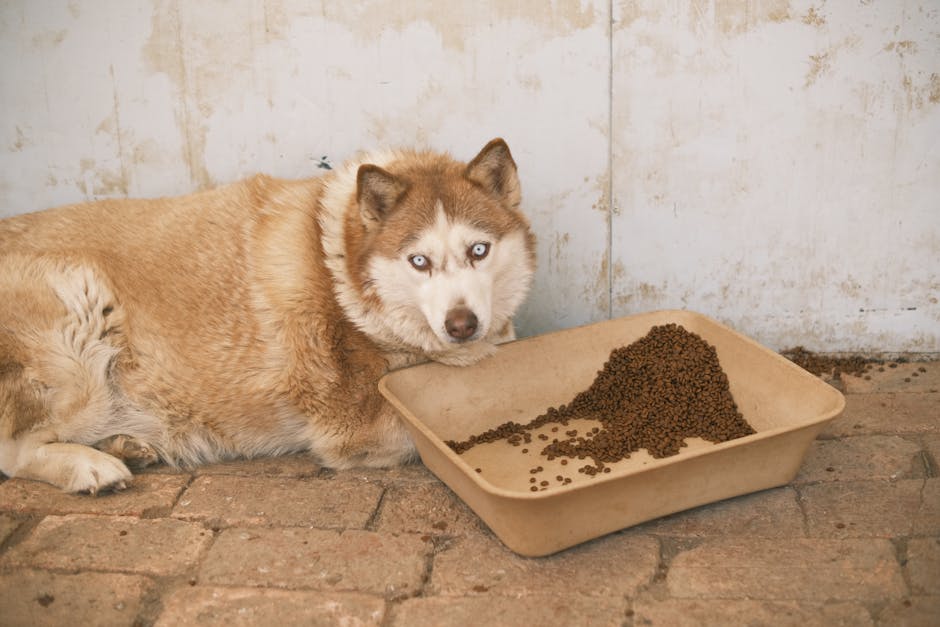
Why Huskies Are Prone to Food Allergies and What to Look For
Siberian Huskies are a robust breed, but they are not immune to food allergies and sensitivities. These often manifest as itchy skin, ear infections, hot spots, or chronic digestive upset. The best dry dog food for Huskies with allergies goes beyond simply avoiding common triggers—it supports the skin barrier, reduces inflammation, and provides complete nutrition without relying on problematic ingredients. In this guide, we'll explore the underlying causes of allergies in Huskies, the nutrients that matter most, and a curated list of dry food options that have proven effective for allergic huskies in 2026.
Understanding Food Allergies vs. Intolerances in Huskies
Before diving into food choices, it's important to distinguish between a true food allergy and a food intolerance. A food allergy triggers an immune response—often itchy skin, hives, or gastrointestinal inflammation. A food intolerance, on the other hand, usually leads to digestive issues like gas or diarrhea without involving the immune system. Huskies can suffer from both, and the best dry dog food for Huskies with allergies will address either scenario by using a single novel protein, limited ingredients, or hydrolyzed proteins.
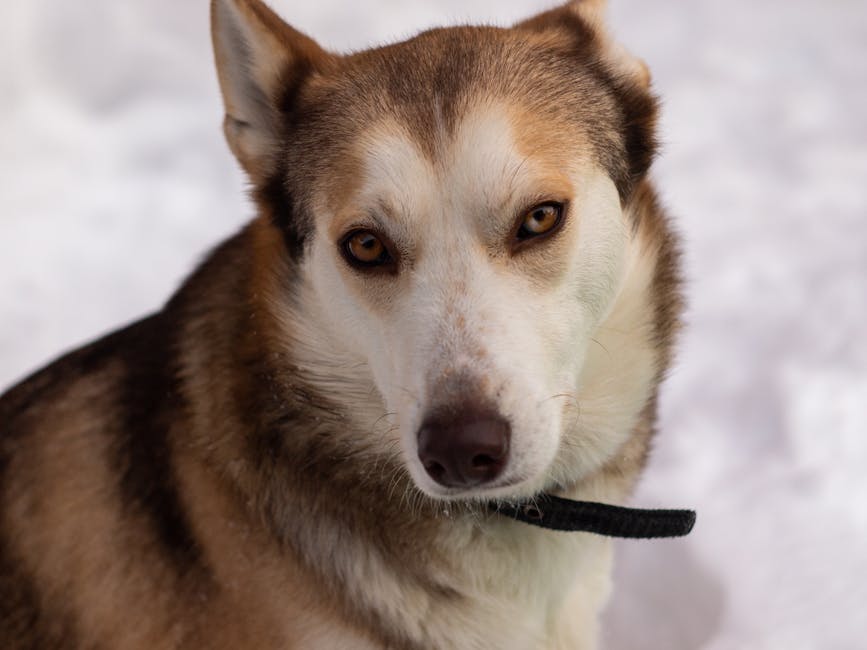
Key Ingredients in the Best Dry Dog Food for Huskies with Allergies
When scouting a bag, look for these features:
- Novel or single protein source — Venison, duck, kangaroo, or rabbit are less likely to trigger reactions in dogs sensitized to chicken or beef.
- Limited ingredient list (LID) — Fewer components reduce the chance of an allergic response.
- Omega-3 and Omega-6 fatty acids — Fish oil, flaxseed, or chia seeds help soothe inflamed skin and promote a glossy coat.
- Digestible carbohydrates — Sweet potatoes, chickpeas, or lentils provide energy without common grains like wheat or corn that may cause issues.
- Probiotics & prebiotics — Support a healthy gut microbiome, which is important for reducing food sensitivities.
- No artificial additives — Avoid artificial colors, flavors, and preservatives that can exacerbate allergies.
Ingredients to Avoid in Hypoallergenic Husky Food
Equally important is knowing what to steer clear of:
- Chicken and beef — Two of the most common allergens in dogs.
- Wheat, corn, soy — Often poorly tolerated and offer little nutritional value.
- Dairy products — Many dogs are lactose intolerant.
- BHA, BHT, ethoxyquin — Chemical preservatives that can trigger reactions.
- By-products and unnamed meat meals — Poor quality and potential allergen sources.
Top 5 Dry Dog Food Brands for Huskies with Allergies (2026 Edition)
Below is a comparison table of brands that consistently receive high marks from husky owners and veterinarians specialising in canine dermatology.
| Brand & Product | Protein Source | Key Features | Ideal For | Approx. Price (per lb) |
|---|---|---|---|---|
| Natural Balance L.I.D. Green Pea & Duck | Duck | Limited ingredient, grain-free, omega fatty acids | Mild to moderate allergies | $3.50 |
| Hill's Prescription Diet z/d | Hydrolyzed chicken | Hydrolyzed protein to block immune response, clinical formula | Severe allergies & food trials | $8.00 |
| Royal Canin Hydrolyzed Protein | Hydrolyzed soy | Hypoallergenic, high digestibility, skin support | Moderate to severe food allergies | $7.50 |
| Merrick Limited Ingredient Diet (Lamb or Salmon) | Lamb or Salmon | Limited ingredients, high protein, omega-3s | Active huskies with mild sensitivities | $4.20 |
| Taste of the Wild High Prairie (Venison & Bison) | Venison & Bison | Novel proteins, grain-free, probiotics | Huskies with chicken/beef allergies | $3.80 |
How to Transition Your Husky to a New Allergy-Friendly Food
Switching foods abruptly can cause digestive upset, even with a hypoallergenic formula. Follow this 7-day transition plan:
- Days 1–2: 25% new food + 75% old food
- Days 3–4: 50% new food + 50% old food
- Days 5–6: 75% new food + 25% old food
- Day 7: 100% new food
During transition, monitor for any changes in stool consistency, skin condition, or behaviour. If an immediate negative reaction occurs (vomiting, hives, swelling), stop the new food and consult your veterinarian.
Additional Tips for Managing Husky Allergies Through Diet
Beyond dry food, consider these strategies:
- Add a fish oil supplement — Additional omega-3s can further reduce inflammation.
- Keep a food diary — Note any treats, chews, or table scraps that might interfere.
- Use hypoallergenic treats — Match them to the protein source in the main food.
- Rule out environmental allergies — Sometimes itching is from pollen, not food. Work with a vet to distinguish.
- Hydrate properly — Adequate water intake supports skin health and digestion.
Frequently Asked Questions About Husky Food Allergies
Can a husky suddenly develop a food allergy to a protein it has eaten for years?
Yes. Food allergies can develop at any age, even to proteins tolerated lifelong. That's why a food trial or switching to a novel protein can be necessary.
Should I choose grain-free or limited-ingredient for my husky?
Grain-free is not automatically better; many huskies do fine with grains. Limited-ingredient diets are more important for allergy management because they reduce the number of potential triggers.
How long does it take for allergy symptoms to improve after changing food?
Typically 4 to 8 weeks. Skin issues may take longer to resolve. Be patient and consistent.
Final Recommendations
The best dry dog food for Huskies with allergies in 2026 combines a single novel or hydrolyzed protein, minimal ingredients, and high-quality fatty acids. Start with a veterinary consultation to confirm the allergy source, then choose from the table above. With the right nutrition, your husky can enjoy a comfortable, itch-free life while thriving on a diet tailored to its unique needs.
Recommended Products for Your Husky
As an Amazon Associate, we earn from qualifying purchases. Learn more.
- Premium Husky Food — Check price on Amazon
- Grain-Free Kibble — Check price on Amazon
- High-Protein Food — Check price on Amazon
Editor's Note
One thing our team flags in almost every feeding consult: huskies are not labs. They self-regulate better than most breeds, but only when portions are actually measured. 'A handful' twice a day is how we see overweight huskies show up at the vet.
Sources & Further Reading
HuskySpot researches each topic against recognized breed and veterinary authorities. The following organizations inform our content: