Bringing home a Siberian Husky puppy is an exciting adventure. With their striking blue eyes, boundless energy, and mischievous personality, these little wolves capture hearts instantly. But keeping that spirit thriving starts with one fundamental aspect of care: feeding. A husky puppy eating guide isn't just about filling a bowl—it's about fueling a growing body, supporting rapid development, and laying the foundation for a long, healthy life. In this comprehensive guide, we'll break down everything you need to know about feeding your husky puppy, from choosing the right food to establishing a schedule that works for both of you.
Nutritional Needs of a Husky Puppy
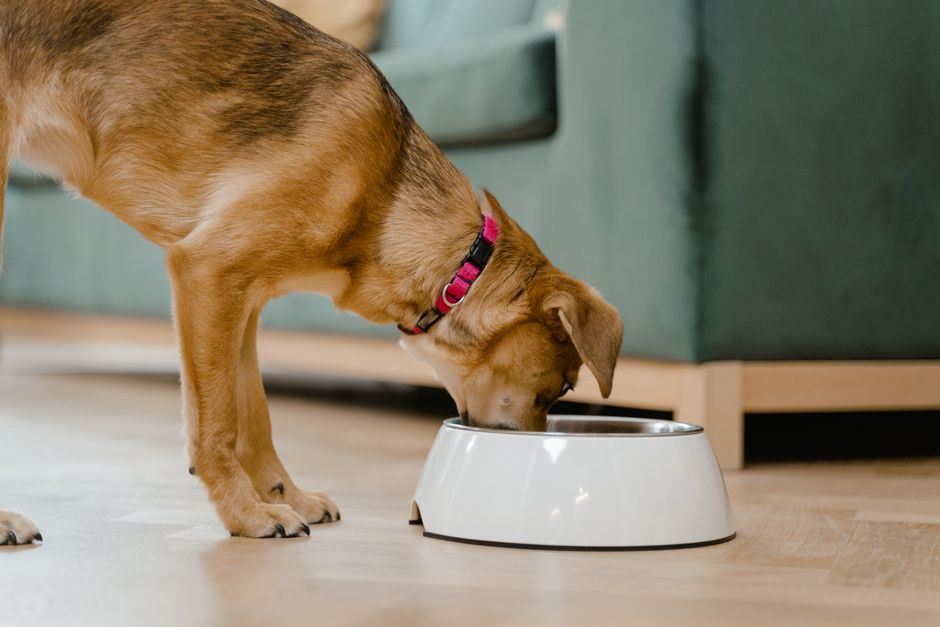
Siberian Huskies are a uniquely hardy breed, but their puppies have specific dietary requirements that differ from adult dogs and even other breeds. Because they are a working breed with a fast metabolism, husky puppies need high-quality, calorie-dense nutrition to support their growth spurts and high activity levels. However, overfeeding can lead to rapid bone growth and skeletal issues, so balance is key.
Protein and Fat
Protein is the building block for muscles, tissues, and organs. For a husky puppy, look for a food that contains at least 22-25% protein from named animal sources (like chicken, beef, fish, or lamb). Fat is equally important; it provides energy and helps absorb fat-soluble vitamins. Aim for a fat content of around 8-12% in a dry puppy food. Omega-3 and Omega-6 fatty acids are also important for brain development and a shiny coat, so check for ingredients like fish oil or flaxseed.
Key Vitamins and Minerals
Calcium and phosphorus must be present in the correct ratio (approximately 1.2:1) to build strong bones without causing deformities. DHA supports cognitive development, while antioxidants like vitamin E and selenium bolster the immune system during those critical early months. Avoid foods with excessive fillers like corn, wheat, or soy, which offer little nutritional value and can trigger allergies in some huskies.
Choosing the Right Food: Puppy Formulas vs. All-Life Stages
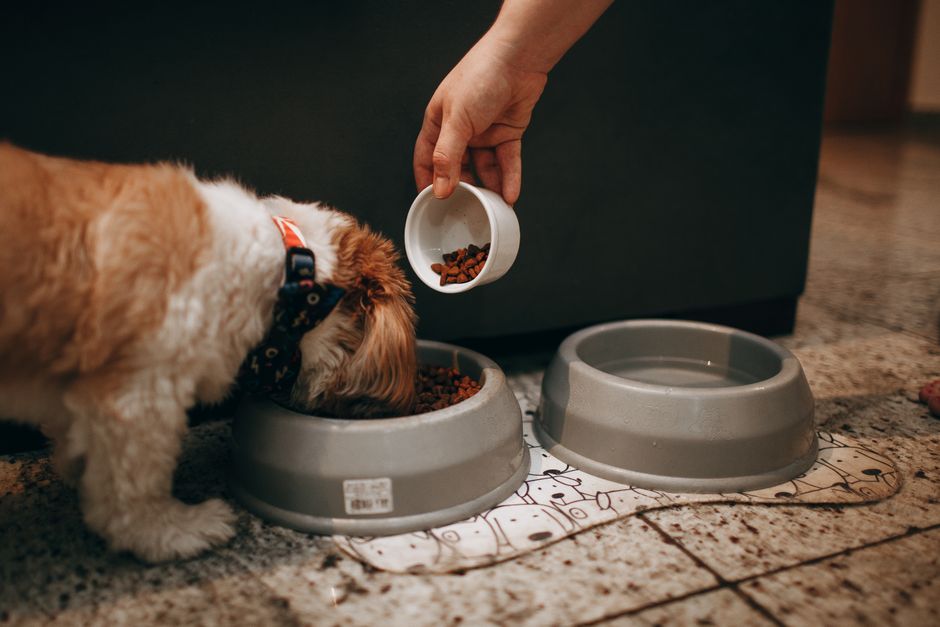
Most veterinary nutritionists recommend feeding a high-quality commercial puppy food specifically formulated for large-breed puppies. These formulas have the right balance of calories, protein, and minerals to support a slower, steadier growth rate, which is crucial for preventing hip dysplasia and other orthopedic problems. However, some all-life-stage foods are also acceptable, provided they meet the AAFCO (Association of American Feed Control Officials) nutritional profiles for growth. Always read the label carefully and choose foods with real meat as the first ingredient. Avoid foods with artificial colors, flavors, or preservatives.
When deciding between commercial kibble, canned food, or a raw diet, consult your vet. While raw diets have gained popularity, they require meticulous preparation to avoid nutritional deficiencies and bacterial contamination. For most husky owners, a premium kibble or a balanced freeze-dried raw option is safer and more convenient.
How Much to Feed Your Husky Puppy
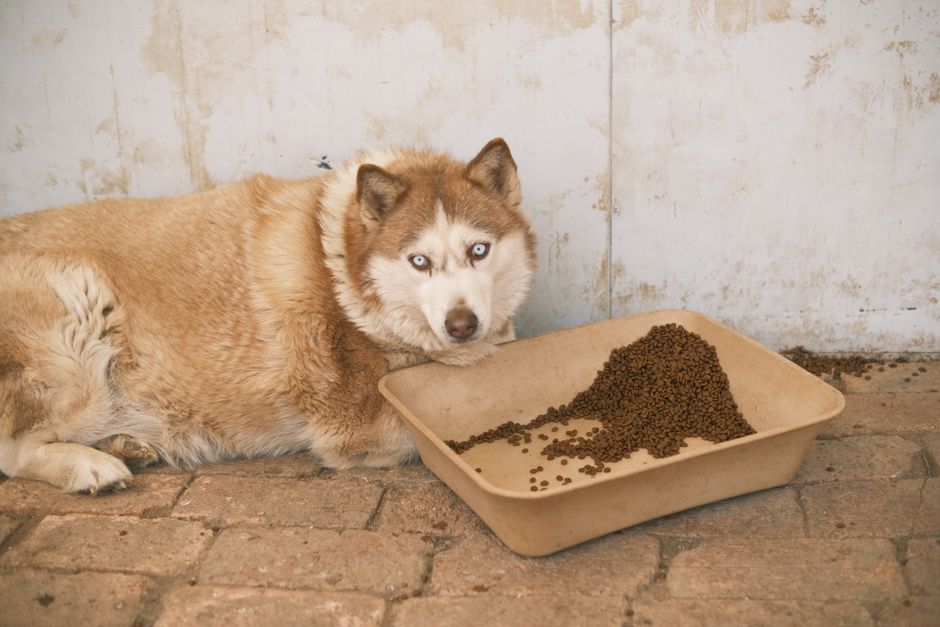
Determining the exact amount of food your husky puppy needs depends on age, weight, activity level, and the calorie density of the food itself. The table below provides general guidelines based on average husky puppy weights. Always adjust based on your puppy's body condition—you should be able to feel the ribs easily but not see them prominently.
| Age | Average Weight | Cups per Day (based on ~400 kcal/cup) |
|---|---|---|
| 8-12 weeks | 10-20 lbs | 1.5 – 2.5 cups |
| 4-6 months | 25-35 lbs | 2.5 – 3.5 cups |
| 7-12 months | 35-50 lbs | 3 – 4 cups |
| 1 year+ | 45-60 lbs | 2 – 3 cups (adult formula) |
These are starting points, not strict rules. Monitor your puppy's weight weekly and adjust portions by 10-15% as needed. Indoor husky puppies may need less than those with large yards or active playtime. Overweight husky puppies are at higher risk for joint issues, so don't let the puppy get chubby.
Feeding Schedule: How Often Should a Husky Puppy Eat?
Unlike adult huskies, which do well on one or two meals a day, puppies have small stomachs and high energy needs. They should eat three to four times a day until about six months of age, then reduce to two meals a day. A consistent schedule helps with house training, as you'll know when to expect potty breaks.
A typical schedule might look like this:
- Morning (7-8 am): Breakfast
- Midday (12-1 pm): Lunch (for puppies under 6 months)
- Late afternoon (5-6 pm): Dinner
- Evening (10 pm): Small snack or a frozen Kong (optional for very young puppies)
Always feed at the same times every day. Your husky puppy's stomach will learn to anticipate meals, which aids digestion and reduces the likelihood of gorging. Leave the food out for only 15-20 minutes, then pick it up. This teaches your puppy to eat when food is offered, making picky eaters less likely.
Wet Food vs. Dry Kibble vs. Raw: Which is Best?
Each type of food has its pros and cons, and the best choice depends on your budget, lifestyle, and your puppy's individual needs.
Dry Kibble
Dry kibble is affordable, convenient, and helps keep your puppy's teeth clean due to its crunchy texture. High-quality kibbles are nutritionally complete and easy to measure. The downside is that some huskies may get bored with the same texture, and lower-quality brands may contain more fillers.
Wet Food
Canned or pouch food has high moisture content, which can help keep your puppy hydrated. It's also more palatable for picky eaters or those with dental issues. However, it's more expensive, must be refrigerated after opening, and doesn't offer dental benefits. Many owners mix a small amount of wet food into kibble as a topper.
Raw Food
A raw diet consists of uncooked meat, bones, organs, and sometimes vegetables. Proponents argue it mimics natural canine diet and leads to shinier coats and better digestion. But raw diets require careful balance, risk bacterial contamination, and can be more expensive. If you choose raw, work closely with a veterinary nutritionist and avoid feeding raw bones that can splinter.
Common Feeding Problems and Solutions
Husky puppies are notorious for being picky eaters. That's because they are a primitive breed with a unique metabolism—they can go for a day or two without eating and still be fine. However, certain feeding issues deserve attention.
Picky Eating
If your husky puppy snubs his food but is otherwise active and drinking water, don't panic. Offer the food again at the next scheduled mealtime. Do not add tempting treats or turn meals into a battle. Simply take the bowl away after 20 minutes and offer fresh food at the next meal. Consistency will win. If the puppy refuses to eat for more than 24 hours, consult your vet to rule out underlying health issues.
Bloat (Gastric Dilatation-Volvulus)
Huskies have a deep chest, which puts them at higher risk for bloat—a life-threatening stomach twist. To reduce the risk, feed multiple small meals instead of one large one, avoid vigorous exercise right after eating, and slow your puppy down if he gulps food. You can use a slow-feed bowl or puzzle feeder to pace him.
Allergies and Food Sensitivities
Some huskies develop food allergies, often to proteins like chicken, beef, or dairy, or to grains. Symptoms include chronic itching, ear infections, or diarrhea. If you suspect an allergy, try a limited-ingredient diet or a novel protein like salmon or venison. Keep a food diary and talk to your vet about an elimination diet.
Transitioning to Adult Food
Siberian Huskies are usually considered adults around 12-15 months of age, though larger individuals may take longer. Transition to an adult formula gradually over 7-10 days to avoid stomach upset. Start by mixing 25% adult food with 75% puppy food, then gradually increase the proportion. Adult formulas have lower protein and fat levels to match a less rapid growth phase. As your husky reaches adulthood, you may also reduce to two meals a day if you haven't already. Watch for weight gain and adjust portions accordingly.
Hydration: Don't Forget Water
Fresh, clean water must be available at all times. Puppies are active and lose fluids quickly, especially during play. Change the water bowl twice a day and clean it regularly to prevent bacterial growth. Some huskies, especially those eating dry kibble, need encouragement to drink. Consider adding water to their kibble or using a pet fountain to entice them. Dehydration can cause serious health issues, so always monitor their water intake.
Conclusion
Feeding a Siberian Husky puppy doesn't have to be complicated. Focus on high-quality nutrition, a consistent schedule, and portion control. Every husky is unique, so be prepared to adjust based on your puppy's body condition, energy level, and eating habits. your vet is your best ally in making dietary decisions. With the right approach, you'll raise a strong, vibrant husky who will be your loyal companion for years to come. Start implementing these husky puppy eating tips today, and watch your furry friend thrive!
Recommended Products for Your Husky
As an Amazon Associate, we earn from qualifying purchases. Learn more.
- Puppy Starter Kit — Check price on Amazon
- Puppy Crate — Check price on Amazon
- Puppy Toys — Check price on Amazon
Frequently Asked Questions
What is the best food for a Husky?
Look for a meat-first formula with 25–30% protein and healthy fats. Many owners use salmon- or lamb-based foods for coat and skin health.
How often should Huskies eat?
Adults do well on two meals a day. Puppies under six months need three to four smaller feedings to avoid blood-sugar dips.
Can Huskies eat raw food?
A balanced raw diet is possible but risky without proper formulation — bone, bacteria, and nutrient imbalance are real dangers. Consult a vet nutritionist first.
Editor's Note
One thing our team flags in almost every feeding consult: huskies are not labs. They self-regulate better than most breeds, but only when portions are actually measured. 'A handful' twice a day is how we see overweight huskies show up at the vet.
Sources & Further Reading
HuskySpot researches each topic against recognized breed and veterinary authorities. The following organizations inform our content: