Establishing a proper husky feeding routine is one of the most important steps in raising a happy, healthy Siberian Husky. Known for their striking appearance, boundless energy, and independent spirit, Huskies have unique dietary needs that differ significantly from other breeds. A well-structured feeding routine not only supports their active lifestyle but also prevents obesity, digestive issues, and food-related behavioral problems. In this comprehensive guide, we will walk you through every aspect of feeding your Husky—from nutritional requirements and portion sizes to meal schedules and common pitfalls. By the end, you'll have the knowledge to create a feeding plan that keeps your Husky thriving for years to come.

Understanding Your Husky's Nutritional Needs
Siberian Huskies are a primitive breed, originally developed in harsh Arctic conditions where food was often scarce. As a result, their metabolism is incredibly efficient. They can survive on fewer calories than many dogs of similar size, but those calories must be packed with high-quality nutrition. Your Husky's diet should prioritize animal-based proteins and healthy fats while keeping carbohydrates relatively low.
Protein and Fat Requirements
Protein is the building block for strong muscles, healthy skin, and a shiny coat. For an adult Husky, look for a dog food containing at least 20-25% protein. Fat is equally important, especially for maintaining energy levels and supporting brain function. Aim for a fat content of 12-15% in adult maintenance formulas. Puppies and highly active working Huskies may require slightly higher fat levels for growth and endurance.
Essential Vitamins and Minerals
Huskies need a balanced blend of omega-3 and omega-6 fatty acids, such as EPA and DHA, which are commonly found in fish oil. These support joint health and reduce inflammation. Calcium and phosphorus are vital for bone development in puppies, while antioxidants like vitamins E and C help boost the immune system. A high-quality commercial food that meets AAFCO (Association of American Feed Control Officials) standards will typically provide all these micronutrients.
How Much Should You Feed a Siberian Husky?
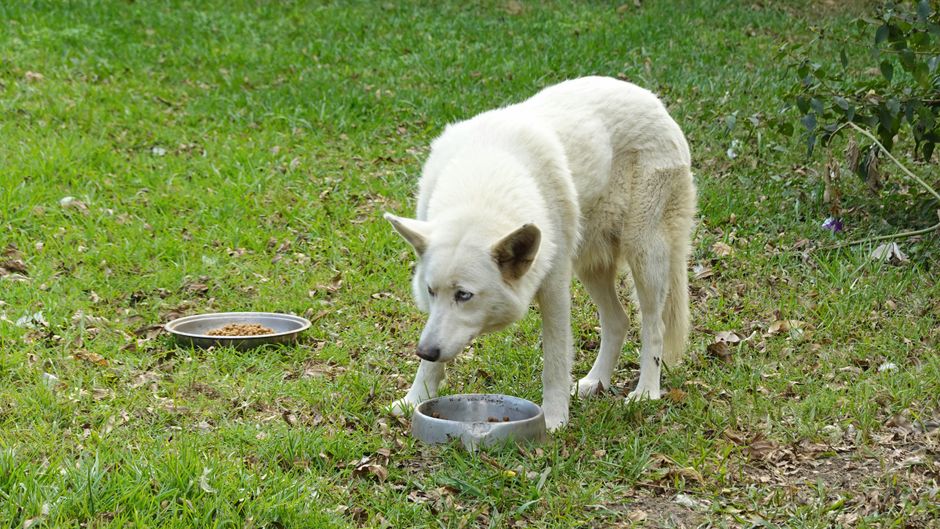
Portion control is critical when feeding a Husky. Because this breed is prone to weight gain if overfed, it's important for measure your dog's food precisely. The amount varies based on age, weight, activity level, and the calorie density of the food you choose. As a general rule of thumb, an adult Siberian Husky weighing between 35 and 60 pounds will need approximately 1.5 to 2.5 cups of high-quality dry dog food per day, split into two meals.
Puppy Feeding Chart
Puppies grow rapidly and require more frequent feeding. Below is a basic feeding chart based on age and weight. Always adjust according to your puppy's body condition and your veterinarian's recommendations.
| Age | Meals per Day | Amount per Meal |
|---|---|---|
| 2-3 months | 4 | 1/3 cup |
| 4-6 months | 3 | 1/2 cup |
| 7-12 months | 2 | 3/4 cup |
Adult Husky Feeding Amounts
Once your Husky reaches 12 months, you can switch to an adult maintenance formula. Feed two meals daily—morning and evening—to keep metabolism steady and prevent bloat. For a moderately active 50-pound Husky, that might mean 1 cup of kibble per meal. However, if your Husky is doing sled work or agility training, you may need to increase this by 25-50%. Conversely, a couch-potato Husky will need less—consider reducing to 3/4 cup per meal or switching to a lower-calorie formula.
Senior Husky Diet Adjustments
As Huskies enter their senior years (around 7-8 years), their metabolism slows down. They become less active and are prone to weight gain and joint issues. Switch to a senior formula with lower calories, reduced fat, and added glucosamine/chondroitin for joint support. Continue feeding two meals per day, but reduce portion sizes. Watch your senior Husky carefully and consult your vet if you notice dramatic weight changes.

Choosing the Best Dog Food for Huskies
Not all dog foods are created equal, and Huskies have specific needs that should influence your choice. Look for a food that prioritizes real meat, includes healthy fats, and avoids artificial fillers. Here is a breakdown of the most common feeding styles:
Dry Kibble vs. Wet Food vs. Raw Diet
Dry kibble is the most convenient and budget-friendly option. It also helps clean teeth and provides a crunchy texture most Huskies enjoy. Wet food offers higher moisture content, which benefits hydration, but it can be more expensive and spoils quickly. Raw diet (also known as BARF—biologically appropriate raw food) mimics the ancestral wolf diet with raw meat, bones, and vegetables. While raw diets can be excellent for Huskies, they require careful preparation to ensure nutritional balance and safety.
Top 5 Ingredients to Look For
- Real meat (e.g., chicken, beef, salmon, or lamb) as the first ingredient
- Whole grains or legumes (sweet potatoes, peas, brown rice)
- Healthy fats like chicken fat, fish oil, or flaxseed
- Fruits and vegetables for antioxidants and fiber
- Probiotics for digestive health
Ingredients to Avoid
- Artificial colors, flavors, or preservatives
- Corn, wheat, or soy (common allergens)
- Meat by-products or unnamed meat meals
- Excessive salt or sugar
Creating a Consistent Feeding Schedule
Huskies thrive on routine. Feeding your dog at the exact same times each day helps regulate their digestion and makes potty training easier. It also prevents anxiety around mealtime. Most adult Huskies do best on a schedule with a long fasting period between meals.
Sample Feeding Routine for Adult Huskies
| Time | Activity |
|---|---|
| 7:00 AM | Morning walk or exercise |
| 8:00 AM | First meal (half daily portion) |
| 6:00 PM | Evening walk or exercise |
| 7:00 PM | Second meal (half daily portion) |
| 9:00 PM | Last opportunity to eliminate before bed |
Puppy Feeding Schedule by Age
Puppies have smaller stomachs and higher energy needs. A typical schedule includes a meal every 4-6 hours. For example, a 3-month-old pup might eat at 7 AM, 11 AM, 3 PM, and 7 PM. As the puppy grows, you can gradually reduce the frequency until you reach the adult twice-daily schedule at around 12 months. Consistency is key—never free-feed (leaving food out all day) as this can lead to overeating and a picky eater.
Transitioning Foods Safely
If you decide to change your Husky's food—whether because of age, health issues, or brand preferences—you must do it gradually. A sudden switch can cause vomiting and diarrhea. The safest method is to mix the new food with the old, increasing the proportion over 7-10 days.
- Days 1-3: 75% old food, 25% new food
- Days 4-6: 50% old food, 50% new food
- Days 7-9: 25% old food, 75% new food
- Day 10: 100% new food
During the transition, monitor your Husky's stool quality and energy. If digestive upset persists, slow down the transition or consult your vet.
Common Feeding Problems and Solutions
Picky Eater
Huskies are notorious for being picky eaters. This is partly a survival mechanism from their history of uncertain food availability. If your Husky skips a meal, don't panic. Offer the food for 15 minutes, and if they refuse, remove it and try again at the next scheduled mealtime. Never offer treats or table scraps as a substitute, as this reinforces bad habits. Over one to two days, most Huskies will eat what's provided.
Food Allergies and Sensitivities
Symptoms like itchy skin, ear infections, or chronic ear inflammation can indicate a food allergy. Common culprits include beef, chicken, wheat, and soy. Try a limited-ingredient diet or a novel protein source like duck or venison. Work with your vet to identify the allergen and choose a food that avoids it.
Bloat and Digestive Issues
Bloat (gastric dilatation-volvulus) is a life-threatening condition that can affect deep-chested breeds like Huskies. To reduce the risk, feed your Husky two or three small meals instead of one large one, avoid vigorous exercise immediately before or after eating, and use a slow feeder bowl if your dog gulps food. If you notice a distended abdomen, restlessness, or unproductive retching, seek emergency veterinary care immediately.
Hydration and Feeding Accessories
Fresh, clean water should be available at all times—especially since Huskies are active and can easily dehydrate. Consider a stainless steel or ceramic bowl, which are easier to clean and less likely to harbor bacteria than plastic. Raised bowls can help with posture, but there is no evidence they prevent bloat. In fact, some studies suggest raised bowls may increase the risk. Always consult your vet for your specific dog's needs. For slow eaters, puzzle feeders and slow-feed bowls encourage slower consumption and mental stimulation.
Frequently Asked Questions
Can I feed my Husky a grain-free diet?
While grain-free diets are popular, they are not necessary for all Huskies. Some dogs thrive on grain-free formulas, but recent research has linked grain-free diets to a higher risk of dilated cardiomyopathy (DCM) in some breeds. Unless your Husky has a diagnosed grain allergy, a diet with healthy grains like brown rice or oats is generally safe and more affordable.
Should I give my Husky supplements?
Most high-quality commercial foods already contain all necessary vitamins and minerals. However, adding omega-3 fatty acids (fish oil) can benefit coat and joint health, especially in older dogs. Always consult your vet before adding any supplements.
How do I know if my Husky is at a healthy weight?
You should be able to feel your Husky's ribs gently under a thin layer of fat, but not see them prominently. When viewed from above, there should be a visible waist tucking behind the ribs.
Recommended Products for Your Husky
As an Amazon Associate, we earn from qualifying purchases. Learn more.
- Husky Care Essentials — Check price on Amazon
- Best-Selling Dog Gear — Check price on Amazon
- Newest Husky Products — Check price on Amazon
Final Thoughts
Creating the perfect husky feeding routine is a balancing act. It requires understanding your dog's unique metabolism, providing high-quality nutrition, and maintaining a consistent schedule. every Husky is different—age, metabolism, and activity level will always play a role in exact portions. Regularly monitor your dog's body condition and adjust accordingly. When in doubt, consult your veterinarian or a canine nutritionist. With the right approach, you can ensure your Siberian Husky remains energetic, happy, and healthy for a lifetime.