Determining the right husky food portions is crucial for your Siberian Husky's health. Unlike many breeds, Huskies have a unique metabolism that allows them to thrive on less food than expected. Overfeeding can lead to obesity, joint problems, and decreased lifespan, while underfeeding can cause malnutrition and low energy. This guide provides detailed, science-backed portion recommendations for every life stage.
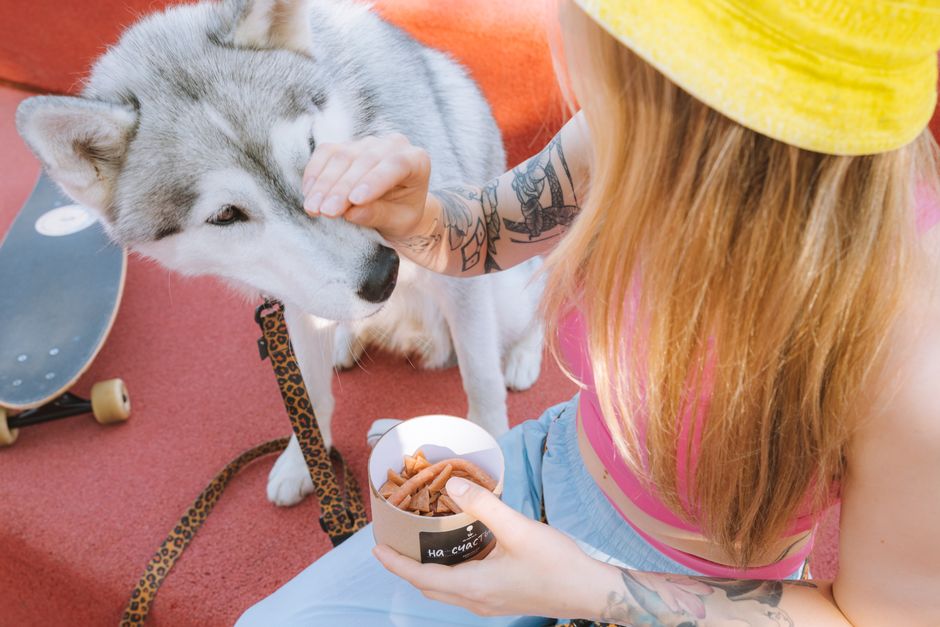
Why Husky Food Portions Matter
Siberian Huskies are an ancient breed developed by the Chukchi people to endure harsh Arctic conditions. Their bodies are efficient at extracting nutrients from food, and they have a natural tendency to regulate their intake. However, domestication and changes in lifestyle often lead to overfeeding. Proper portions help maintain a lean body condition, reduce the risk of hip dysplasia, and support an active lifestyle.

Factors Affecting Your Husky's Food Intake
Age
Puppies require more calories per pound than adults to support growth. Adult dogs need maintenance calories, while seniors may need fewer calories to prevent weight gain due to reduced activity.
Activity Level
A working sled dog can burn up to 5,000 calories a day, while a typical pet husky may only need 800-1,200 calories. Adjust portions based on daily exercise – a brisk 30-minute walk versus a 10-mile hike.
Metabolism
Huskies have a slower metabolism compared to other breeds of similar size. They often eat less than expected. Many owners are surprised to find their husky is a picky eater or eats only once a day.
Health Conditions
Thyroid issues, diabetes, or digestive disorders can alter caloric needs. Consult your vet before adjusting portions if your husky has a medical condition.
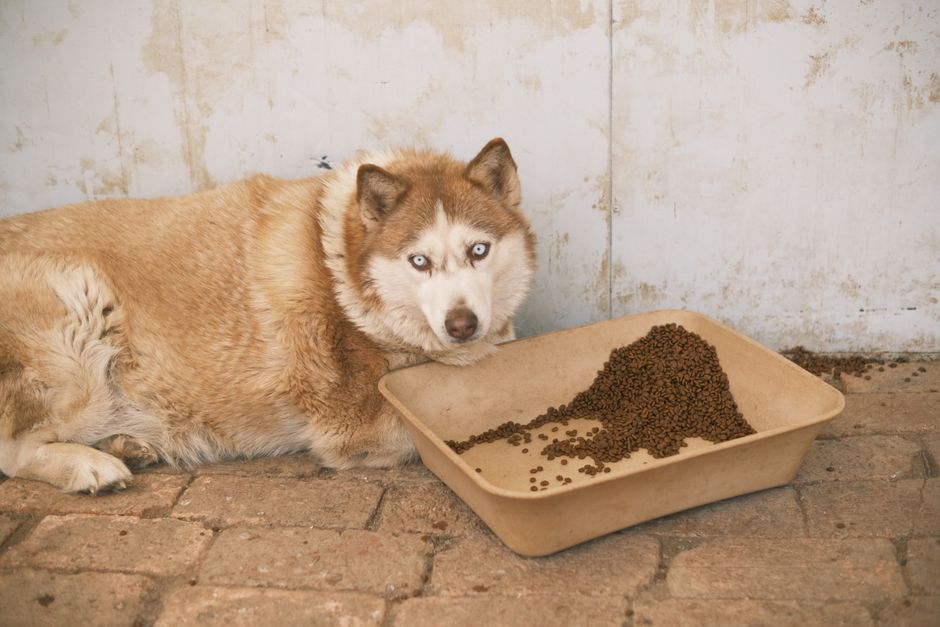
Husky Puppy Food Portions
Puppies grow rapidly and need high-quality puppy food with balanced calcium and phosphorus. Feed three to four times a day until 6 months, then twice a day. Use the following table as a starting point, but monitor body condition.
| Age (months) | Weight (lbs) | Daily Food (cups)* | Calories per Day |
|---|---|---|---|
| 2-3 | 10-20 | 1 - 1.5 | 400-600 |
| 4-5 | 20-35 | 1.5 - 2.5 | 600-1000 |
| 6-8 | 35-50 | 2.5 - 3.5 | 1000-1400 |
| 9-12 | 45-60 | 3 - 4 | 1200-1600 |
*Based on a typical dry kibble with 350-400 kcal/cup. Adjust based on brand.
Practical Tips:
- Use a kitchen scale to weigh food for accuracy.
- Split portions equally among meals.
- Watch for rapid growth – if ribs are easily felt but not visible, you're on track.
Adult Husky Food Portions
Adult huskies (1-7 years) typically need 1,000-1,500 calories per day, depending on activity. The table below gives general guidelines for a moderately active adult.
| Weight (lbs) | Daily Food (cups)* | Calories per Day |
|---|---|---|
| 35-45 | 1.5 - 2 | 600-800 |
| 45-55 | 2 - 2.5 | 800-1000 |
| 55-65 | 2.5 - 3 | 1000-1200 |
| 65-75 | 3 - 3.5 | 1200-1400 |
*Adjust for activity: add 25% for very active, reduce 25% for sedentary.
Remember: huskies are known to self-regulate. Some days they may eat less, other days more. Trust their natural instincts but ensure they maintain a healthy weight. A body condition score of 4-5 out of 9 is ideal (ribs easily felt without excess fat).
Senior Husky Food Portions
For huskies over 7 years, metabolism slows. Reduce portions by 20-30% compared to adult maintenance. Use a senior-specific food with joint supplements. Feed 1.5-2.5 cups daily for a 45-55 lb senior, depending on activity. Monitor weight monthly – gradual increase means cut back.
How to Measure Food Portions Correctly
Many owners overestimate portions by using generic cups. Here's how to get it right:
- Use a digital scale: Weigh food in grams. Typical kibble has 30-50 kcal per ounce. A 500-calorie portion equals about 10-17 ounces.
- Check the bag: Feeding guidelines are starting points. Adjust based on your dog's condition.
- Consider treats: Treats should not exceed 10% of daily calories. If you give treats, reduce meal portions accordingly.
Sample Feeding Schedule
| Age | Meals per Day | Example Timing |
|---|---|---|
| 2-6 months | 3-4 | 7am, 12pm, 5pm, 9pm |
| 6-12 months | 2-3 | 7am, 5pm (optional midday) |
| 1-7 years | 2 | 8am, 6pm |
| 7+ years | 2 | 8am, 5pm |
Common Mistakes in Husky Feeding
- Free-feeding: Leaving food out all day can lead to obesity. Huskies may eat out of boredom.
- Following bag guidelines blindly: Commercial guides often overestimate for huskies. Always adjust.
- Not accounting for treats: Even healthy treats add up.
- Feeding too much protein: Excessive protein can cause loose stools. Huskies do well with moderate protein (20-25%).
Adjusting Portions for Weight Management
If your husky is overweight, reduce portions by 10-20%. Swap low-quality fillers for high-protein, high-fiber foods to increase satiety. Increase exercise gradually. For underweight huskies, add a high-calorie supplement or puppy food temporarily. Always consult a vet before making drastic changes.
Conclusion
Feeding the right husky food portions is a balance of science and observation. Use the guidelines above as a starting point, but pay attention to your dog's body condition, energy levels, and eating habits. A well-fed husky is a lean, energetic companion that lives a long, healthy life.
Recommended Products for Your Husky
As an Amazon Associate, we earn from qualifying purchases. Learn more.
- Premium Husky Food — Check price on Amazon
- Grain-Free Kibble — Check price on Amazon
- High-Protein Food — Check price on Amazon
Frequently Asked Questions
Why is my Husky not eating?
A Husky skipping one meal is often fine — the breed is famously picky. Refusal beyond 24–48 hours, with lethargy, needs a vet check.
Should I feed grain-free food?
Grain-free is not inherently better and has been linked to heart concerns in some dogs. Whole grains are safe for most Huskies.
How do I switch dog foods safely?
Mix the new food in over 7–10 days, increasing the ratio gradually. A sudden switch causes vomiting or diarrhea.
Editor's Note
Our team weighs every new husky client's food for the first two weeks. Almost all were overfeeding by 20-30% based on the bag's optimistic chart. Body condition beats the printed label every single time.
Sources & Further Reading
HuskySpot researches each topic against recognized breed and veterinary authorities. The following organizations inform our content: